How to Use AI to Analyze Your Competitors Social Media Strategy in 2026
SnapReel
June 16, 2026 · 14 min read

Table of Contents
- 1.
- 2.
- 3.
- 4.
- 5.
- 6.
- 7.
- 8.
- 9.
- 10.
How to Use AI to Analyze Your Competitors Social Media Strategy in 2026 [Complete Guide]
Your competitors are posting content that gets engagement while your posts get crickets. According to a 2025 Sprout Social report, 78% of brands that analyze competitor content before creating their own see higher engagement rates within 60 days.
The problem is that manual competitor analysis takes hours. You have to track posting times, analyze content formats, decode what hooks work, and monitor engagement patterns across multiple accounts. Most small brand founders do it once, get overwhelmed, and never do it again.
This guide shows you exactly how to use AI tools to analyze your competitors social media strategy in 2026, so you can steal what works without spending your entire week on research. You will learn which AI tools actually work, what data to collect, and how to turn competitor insights into your own content strategy.
🎯 KEY TAKEAWAYS
- AI competitor analysis tools cut research time from 8-10 hours per week to under 30 minutes while surfacing insights you would miss manually
- The best data to track includes posting frequency, content format mix, hook patterns, engagement timing, and hashtag clusters rather than vanity follower counts
- Three AI approaches exist for competitor analysis in 2026: manual prompt-based analysis with ChatGPT, dedicated competitor tracking tools, and autonomous platforms that apply insights automatically
- SnapReel AI users skip manual analysis entirely because the system studies competitor patterns and applies winning formulas to your branded content automatically
1. Why Competitor Analysis Matters More in 2026
2. What AI Can Actually Analyze About Competitors
3. The Three AI Approaches to Competitor Analysis
4. Step-by-Step: Using ChatGPT for Manual Competitor Analysis
5. Dedicated AI Competitor Analysis Tools Compared
6. How Autonomous Tools Apply Competitor Insights Automatically
7. FAQ
Why Competitor Analysis Matters More in 2026
Social media algorithms in 2026 reward content that matches proven engagement patterns. The platforms have become extremely efficient at identifying content likely to perform well based on format, hook structure, and posting context.
What does that mean for your brand?
It means the gap between brands that study what works and brands that guess has widened significantly. Random posting strategies get buried. Strategic posting based on competitive intelligence gets amplified.
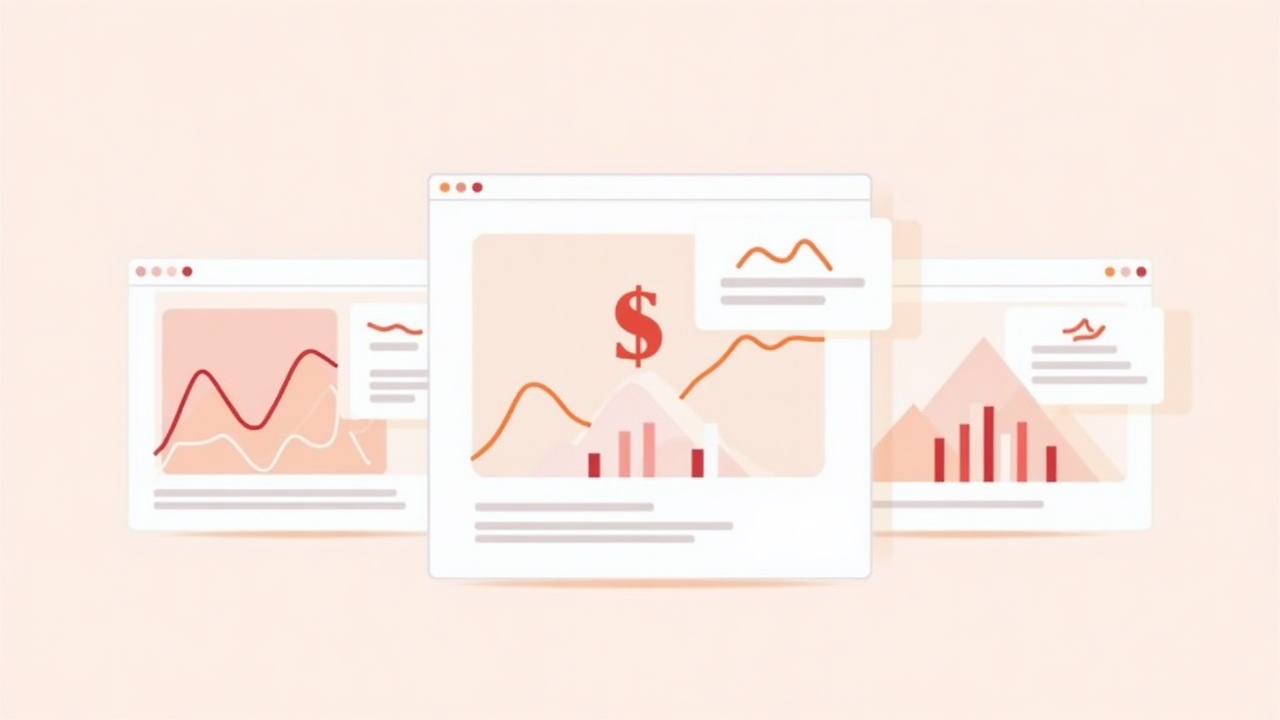
What makes competitor analysis different in 2026 compared to previous years?
Competitor analysis in 2026 differs because AI tools can now process video content, analyze audio hooks, track cross-platform performance, and identify pattern correlations that were impossible to spot manually. The analysis has shifted from counting posts and likes to understanding why specific content structures trigger algorithmic distribution.
Here is where most small brands get stuck:
They know competitor analysis matters. They have tried scrolling through competitor accounts and taking notes. But the manual process is so time-consuming that they abandon it after one session.
- Manual analysis takes 8-10 hours per week to track just 3-5 competitors across multiple platforms properly
- Spreadsheet tracking becomes outdated within days as competitors post new content and algorithms shift
- Pattern recognition requires volume because you need to analyze dozens of posts to identify what actually drives engagement versus random viral moments
- Cross-platform comparison is complex since the same competitor may use completely different strategies on TikTok versus Instagram
💡 PRO TIP: Do not try to analyze every competitor in your space. Pick 3-5 accounts that are one level above your current size but in the same niche. These competitors face similar resource constraints and their strategies are more likely to be replicable than mega-brands with production teams.
What AI Can Actually Analyze About Competitors
AI competitor analysis tools in 2026 have capabilities that go far beyond what was possible even two years ago. Understanding what AI can actually track helps you ask better questions and get more actionable insights.
What specific data points can AI extract from competitor social media accounts?
AI tools can extract posting frequency and timing patterns, content format ratios between video and static and carousel posts, hook structures and opening lines, hashtag clusters and their engagement correlation, caption length and formatting patterns, call-to-action placement, audio and music choices in video content, and engagement velocity in the first hour after posting.
The truth is:
Most of this data was technically available before. The difference now is that AI processes it at scale and identifies correlations automatically.
Here is a breakdown of what to track versus what to ignore:
- Track posting times because algorithm timing windows are competitor-specific and AI can identify when their audience is most active
- Track content format mix because the ratio of Reels to carousels to static posts often correlates with growth phases
- Track hook patterns because the first 3 seconds of video and first line of captions have the highest engagement correlation
- Ignore follower counts because they can be purchased and tell you nothing about strategy effectiveness
- Ignore individual viral posts because one viral piece rarely indicates a replicable strategy
📊 STAT: According to Hootsuite's 2025 Social Media Trends Report, brands that track competitor posting times and adjust their own schedules accordingly see 23% higher reach on average compared to brands posting on generic best-time recommendations.
The Three AI Approaches to Competitor Analysis
Not all AI competitor analysis looks the same. In 2026, there are three distinct approaches with different time investments and outcomes.
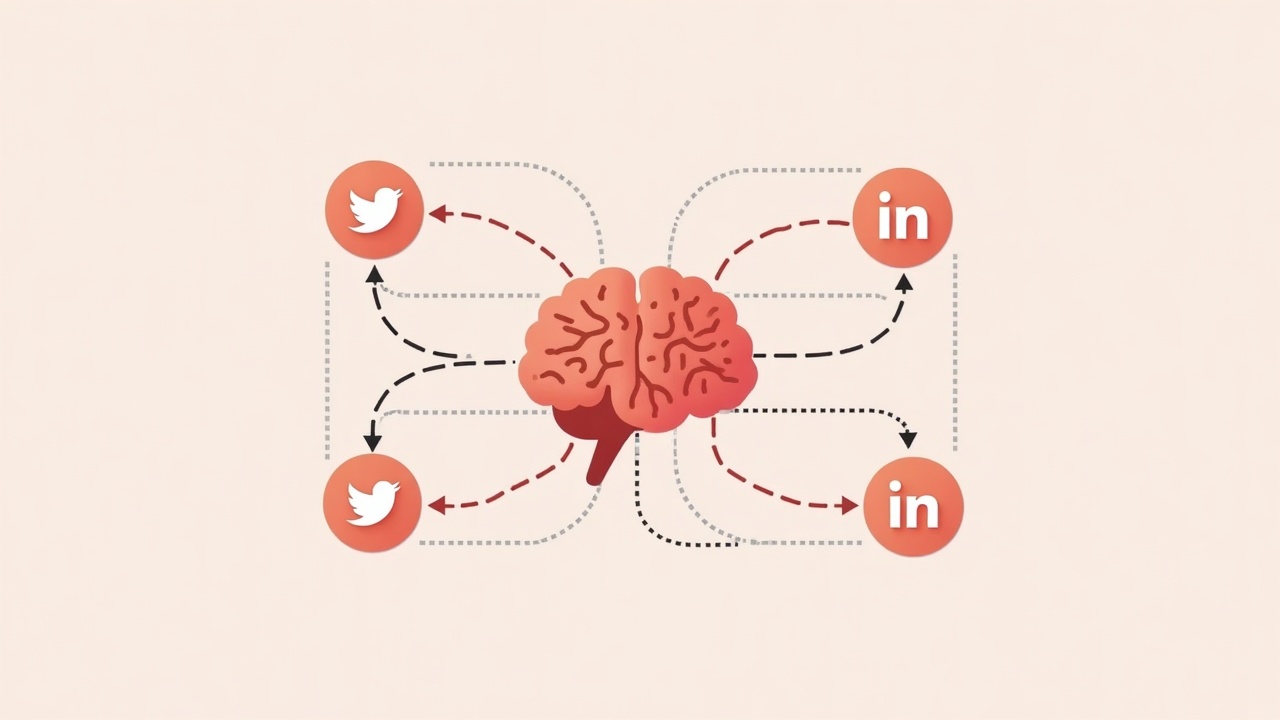
What are the main differences between manual AI analysis and automated competitor tracking?
Manual AI analysis using ChatGPT or Claude requires you to gather competitor data yourself and prompt the AI to find patterns. Automated tracking tools continuously monitor competitors and surface insights. Autonomous platforms like SnapReel AI go further by applying competitor insights to your content automatically without requiring you to interpret or act on the data.
Here is the kicker:
The approach you choose should match your actual availability. If you have 2 hours per week for social media strategy, manual AI analysis is not sustainable no matter how good your prompts are.
- Manual AI analysis works best for brands with dedicated marketing time who want deep strategic control over how insights get applied
- Automated tracking tools work best for brands that want to see competitor data but still make their own content decisions
- Autonomous platforms work best for founders who want their social media to run without daily strategic decisions
Want competitor insights applied automatically without doing the analysis yourself?
Ready to follow along? Create your first AI video for free.
SnapReel AI studies competitor patterns in your niche and applies winning content formulas to your branded Reels automatically. No spreadsheets, no prompts, no manual analysis required.
No credit card required • 2-min setup • 2,000+ small brands already using it
Step-by-Step: Using ChatGPT for Manual Competitor Analysis
If you prefer hands-on control over your competitor research, ChatGPT and Claude can process competitor data effectively when prompted correctly. This approach requires the most time but gives you the deepest understanding of what you are learning.
How do you prompt ChatGPT to analyze competitor social media content effectively?
To analyze competitors with ChatGPT, paste the text of 10-15 of their recent post captions and ask the AI to identify patterns in hook structure, caption length, call-to-action style, and topic clustering. For video analysis, transcribe hooks and ask for pattern recognition across the first 3 seconds. Always provide context about your own brand so the AI can suggest applicable tactics.
Here is the step-by-step process:
- Step 1: Gather raw data by copying the last 15-20 captions from each competitor account into a document
- Step 2: Add context by including each post's approximate engagement level as high, medium, or low based on visible likes and comments
- Step 3: Prompt for patterns by asking ChatGPT to identify what the highest-engagement posts have in common
- Step 4: Request actionable output by asking for specific recommendations you can apply to your next 5 posts
- Step 5: Repeat monthly because competitor strategies shift and one analysis becomes outdated quickly
⚠️ WARNING: Do not paste entire captions without context. ChatGPT will give generic advice if it does not know your brand, your competitors' positioning, and what you are actually trying to learn. Always include a brief description of your brand and your specific questions before pasting competitor content.
Here is a sample prompt structure that works:
"I run [your brand description]. Here are the last 15 captions from [competitor name], a brand in my space with higher engagement. The posts marked HIGH had 3x+ their average engagement. Analyze what the HIGH posts have in common in terms of hook structure, topic, caption length, and call-to-action placement. Give me 5 specific tactics I can test in my next posts."
Dedicated AI Competitor Analysis Tools Compared
Several dedicated tools now offer AI-powered competitor tracking specifically for social media. These sit between manual ChatGPT analysis and fully autonomous platforms.
Which AI competitor analysis tools are best for small product brands in 2026?
The best AI competitor analysis tools for small product brands in 2026 are Socialinsider for cross-platform competitive benchmarking, Brand24 for social listening and mention tracking, Rival IQ for Instagram and TikTok specific analysis, and Sprout Social for enterprise-level competitive reports. Pricing ranges from $49 to $300 plus monthly depending on features.
| Tool | Monthly Cost | Best Feature | Time Required | Best For |
|---|---|---|---|---|
| Socialinsider | $99+ | Cross-platform benchmarking | 2-3 hours/week | Multi-platform brands |
| Brand24 | $49+ | Social listening and alerts | 1-2 hours/week | Brand mention tracking |
| Rival IQ | $199+ | Instagram deep analysis | 2-4 hours/week | Instagram-focused brands |
| Sprout Social | $299+ | Comprehensive reporting | 3-5 hours/week | Teams with analysts |
| SnapReel AI | $0 to paid | Auto-applies insights | 0 hours/week | Hands-off founders |
But here is the problem:
All of these tools except SnapReel AI require you to interpret the data and create content based on what you learn. They save research time but still require action time.
- Socialinsider excels at showing you exactly how your metrics compare to competitors with visual benchmarking dashboards
- Brand24 excels at alerting you when competitors get mentioned or when sentiment shifts in your industry
- Rival IQ excels at deep Instagram analytics including Story performance and hashtag effectiveness
- Sprout Social excels at comprehensive reporting for teams that need to present competitive analysis to stakeholders
💡 PRO TIP: Before paying for a dedicated competitor tool, use their free trials to test whether you will actually use the data. Many small brand founders pay for sophisticated tools then never log in because they do not have time to act on the insights. The tool only has value if you implement what you learn.
Tired of paying for insights you never have time to implement?
Ready to follow along? Create your first AI video for free.
SnapReel AI does not just show you competitor data. It automatically applies winning patterns to your branded content and posts for you daily.
No credit card required • 2-min setup • 2,000+ small brands already using it
How Autonomous Tools Apply Competitor Insights Automatically
The newest category of AI social media tools goes beyond analysis. Autonomous platforms like SnapReel AI study what works in your niche and apply those patterns to your content automatically.
How does SnapReel AI use competitor analysis to create your content?
SnapReel AI continuously analyzes engagement patterns, content formats, and hook structures that perform well in your product category. The system applies these insights when generating your branded Reels, automatically incorporating proven formulas without requiring you to research, interpret, or implement competitor data yourself. Your content benefits from competitive intelligence without you spending time on analysis.
And it gets better.
The system updates its understanding continuously. As competitor strategies shift and new content formats emerge, SnapReel AI adapts what it creates for your brand automatically.
- No spreadsheet tracking because the system monitors patterns in your niche continuously
- No prompt engineering because you do not need to ask questions or interpret answers
- No implementation gap because insights get applied directly to your content without a separate action step
- No staleness problem because the analysis updates as competitor content and algorithm preferences shift
This approach works particularly well for small product brand founders who recognize the value of competitor analysis but realistically will not do it consistently.
📊 STAT: SnapReel AI users report saving an average of 6-8 hours per week on social media compared to their previous workflow. The time saved includes both content creation and the strategic research most founders skip anyway.
What is the difference between getting competitor insights and actually using them?
The difference between receiving competitor insights and using them is implementation. Most competitor analysis tools stop at showing you data. You then need to translate that data into content decisions, create the content, and post it consistently. Autonomous tools eliminate this gap by applying insights directly to content that gets created and posted for you.
Now you might be wondering:
Is automated competitor analysis as good as doing it yourself? The honest answer is that it depends on your goals. If you want to become a social media strategist with deep competitive expertise, manual analysis builds that knowledge. If you want your social media to perform well while you focus on other parts of your business, autonomous application gets you results without the learning curve.
Turning Competitor Insights Into Your Own Strategy
Whether you use manual analysis, dedicated tools, or autonomous platforms, the goal is the same. You want to identify what works for similar brands and adapt it for your own content.
How do you adapt competitor tactics without copying their content?
Adapt competitor tactics by extracting the structural pattern rather than the specific content. If a competitor's hook format works well, use that format with your own product and messaging. If their posting time drives engagement, test that time with your content. Copy the framework, not the execution, and always filter through your brand voice and product positioning.
Here is the framework:
- Identify the pattern rather than copying the post. If their question hooks perform well, use question hooks about your product rather than similar questions
- Test timing separately from content because a good post at the wrong time underperforms while an average post at the right time can outperform
- Maintain brand voice by filtering every borrowed tactic through your specific tone and positioning
- Track what you test so you know which competitor-inspired tactics actually work for your audience versus theirs
⚠️ WARNING: Direct copying of competitor content damages your brand more than it helps. Audiences recognize recycled ideas and algorithms increasingly penalize duplicate content patterns. Extract the principle and make it yours.
FAQ
ChatGPT and Claude both offer effective free competitor analysis when you provide the right prompts and data. For automated tracking, SnapReel AI offers a free forever plan that applies competitor insights to your content automatically without requiring manual analysis or separate tools.
For manual analysis, monthly deep dives work better than sporadic reviews. For tool-based monitoring, weekly check-ins keep insights current. Autonomous platforms like SnapReel AI handle this continuously so you can focus on other business priorities without scheduling analysis sessions.
AI excels at pattern recognition across large datasets. It can identify correlations between hook structures, posting times, and engagement outcomes that humans miss. However, AI works best when you provide context about your niche and goals rather than asking for generic analysis.
Track 3-5 competitors that are one tier above your current brand size and in your specific niche. Tracking too many dilutes insights while tracking too few gives limited data. Choose competitors whose audience overlaps with your target customer.
The biggest mistake is analyzing without implementing. Many brands spend hours gathering competitive intelligence then never apply what they learn to their actual content. Choose an approach that matches your realistic implementation capacity.
Yes. SnapReel AI analyzes engagement patterns and content structures that perform well in your product category broadly rather than requiring you to name specific competitors. The system identifies what works in your niche automatically based on your brand setup.
Making Competitor Analysis Work for Your Brand
The brands winning on social media in 2026 are not the most creative. They are the most informed. They study what works, adapt it strategically, and execute consistently.
The method you choose for competitor analysis matters less than whether you actually use the insights. Manual ChatGPT analysis works if you have dedicated strategy time. Dedicated tools work if you will log in and act on what you learn. Autonomous platforms work if you want the benefits of competitive intelligence without the time investment.
For most small product brand founders, the realistic question is not which analysis method is best. It is which method will you actually use consistently while running the rest of your business.
Ready to get competitor insights applied automatically to your content?
Ready to follow along? Create your first AI video for free.
✓ Continuous analysis of what works in your product category applied directly to your branded Reels
✓ Daily auto-posting to Instagram, TikTok, and YouTube Shorts without manual content creation or scheduling
✓ Free forever plan with no credit card required to start
Free forever plan • No credit card • 2-min setup