How to Use AI for Product Photography on Social Media Without a Photographer in 2026
SnapReel
June 16, 2026 · 14 min read

Table of Contents
- 1.
- 2.
- 3.
- 4.
- 5.
- 6.
- 7.
- 8.
- 9.
- 10.
How to Use AI for Product Photography on Social Media Without a Photographer in 2026
Professional product photography used to cost $500 to $2,000 per session. In 2026, small product brands are creating scroll-stopping product visuals without ever hiring a photographer or touching a camera.
The shift happened faster than most founders expected. AI image generation tools went from producing obvious fake-looking products to creating visuals that outperform traditional photography on engagement metrics. But most small brand owners still do not know how to actually use these tools for their social media content.
This guide walks you through the complete process of using AI for product photography on social media in 2026 — from choosing the right tools to creating a consistent visual brand without spending thousands on photographers or studios.
🎯 KEY TAKEAWAYS
- AI product photography now produces social media visuals that match or exceed traditional photography quality for most small product brands.
- The average cost savings is 85% compared to hiring photographers — going from $1,200 per shoot to under $50 per month for unlimited AI generations.
- Consistency is the real advantage — AI tools maintain your exact brand style across hundreds of images without the variation that comes from different photographers or shooting conditions.
- Autonomous tools like SnapReel AI eliminate the generation step entirely by creating and posting product content without daily input required.
Why AI Product Photography Beats Traditional Methods for Social Media
Traditional product photography requires scheduling a photographer, renting studio time, preparing products, and waiting days for edited files. For social media content that gets scrolled past in two seconds, this process never made sense for small brands.
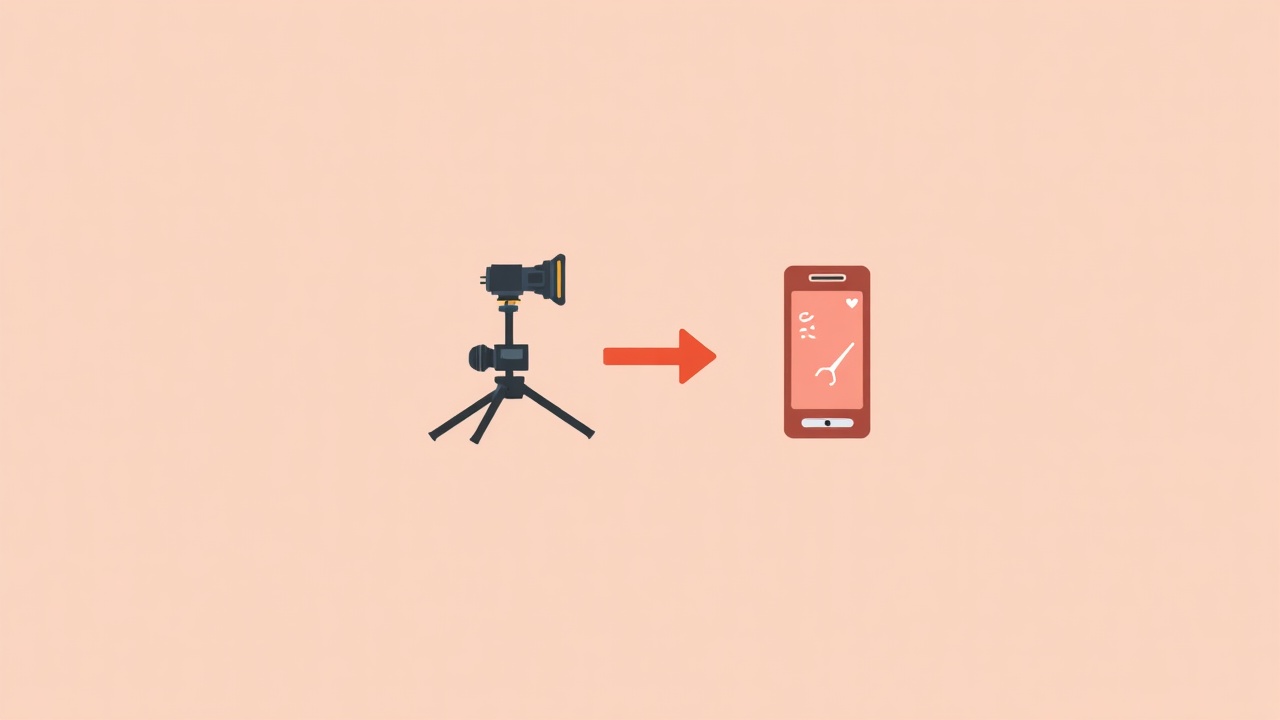
AI product photography flips the economics completely. You generate exactly the images you need, when you need them, in the exact style your brand requires. No scheduling. No waiting. No negotiating with photographers about revision limits.
What makes AI product photography better for social media specifically?
AI product photography outperforms traditional methods for social media because social platforms reward volume and consistency over individual image perfection. You need 30 to 90 pieces of content per month to maintain visibility. AI lets you create that volume while keeping your visual brand consistent across every single post.
Here is where the economics get interesting:
- Traditional photography cost — $800 to $2,000 per session for 20-30 final images, plus $50-150 per additional edit
- AI generation cost — $20 to $100 per month for unlimited generations depending on the tool
- Time investment traditional — 4-8 hours per session including prep, shooting, and review
- Time investment AI — 5-15 minutes per batch of images once your prompts are dialed in
The quality gap that existed two years ago has closed. 2026 AI tools produce product images with accurate shadows, realistic reflections, and consistent lighting that matches your brand guidelines.
💡 PRO TIP: Start with AI for your social media content while keeping traditional photography for your website hero images and product pages. This hybrid approach gives you the best of both worlds — professional website visuals and unlimited social content at a fraction of the cost.
The Best AI Tools for Product Photography in 2026
Not all AI image tools work well for product photography. Many general-purpose generators struggle with product accuracy, brand consistency, and the specific requirements of e-commerce visuals.
Which AI tools produce the best product photography for social media?
The best AI tools for product photography on social media in 2026 are Midjourney for high-quality lifestyle shots, DALL-E 3 for accurate product representations, and SnapReel AI for autonomous content that generates and posts without daily input. Your choice depends on whether you want to create images yourself or have them generated automatically.
Here is the breakdown:
- Midjourney V6 — Best for lifestyle product shots and creative backgrounds. Requires learning prompt engineering but produces magazine-quality results.
- DALL-E 3 via ChatGPT — Best for accurate product representation and following specific instructions. Easier to use than Midjourney but sometimes struggles with brand consistency.
- Adobe Firefly — Best for brands already in the Adobe ecosystem. Strong product-aware features and commercial licensing clarity.
- SnapReel AI — Best for hands-off automation. Generates branded product content and posts it automatically to Instagram, TikTok, and YouTube Shorts without daily prompts.
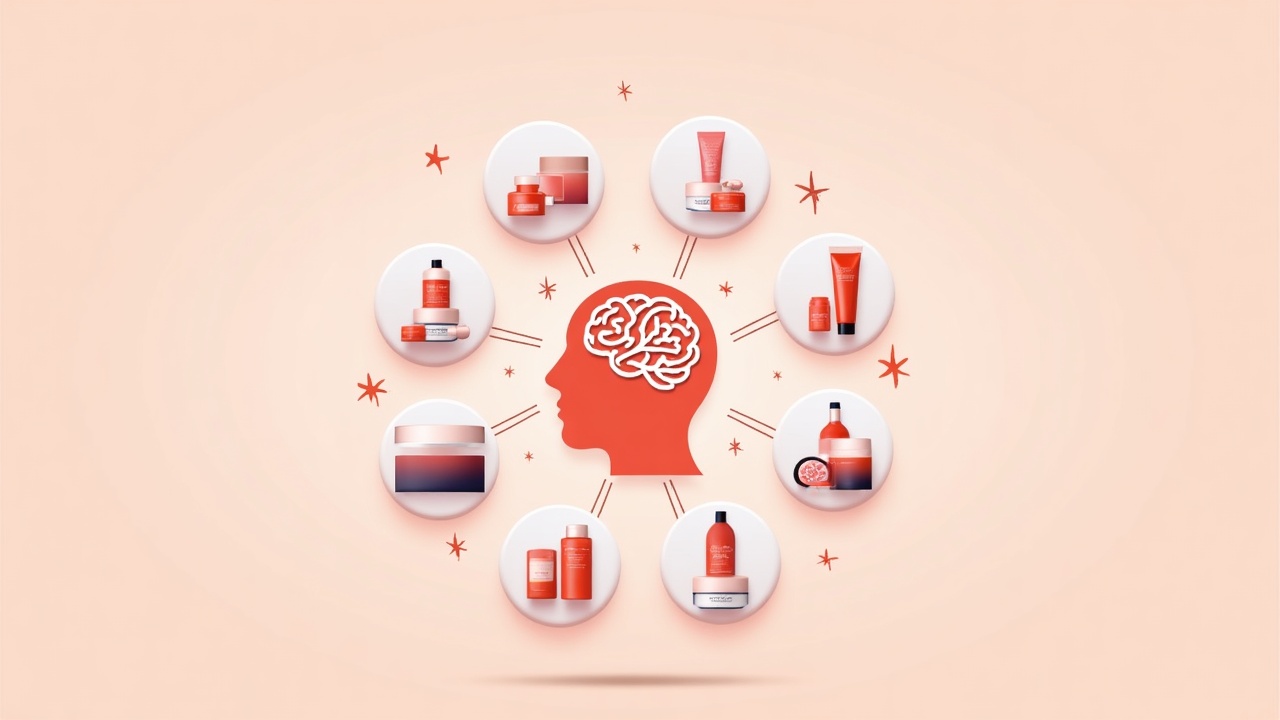
📊 STAT: According to a 2026 eMarketer study, 67% of small product brands now use AI-generated visuals for at least half of their social media content, up from 23% in 2024. The adoption curve accelerated faster than any previous marketing technology.
But here is the problem:
Most of these tools still require you to generate content manually. You write prompts, review outputs, make adjustments, and schedule posts. This is faster than traditional photography, but it still demands daily attention.
Want AI product content without the daily prompting?
Ready to follow along? Create your first AI video for free.
SnapReel AI generates branded product Reels from your product information and posts them automatically. No daily prompts, no image selection, no scheduling decisions.
No credit card required • 2-min setup • 2,000+ small brands already using it
Step-by-Step Process for Creating AI Product Photos
Getting good results from AI product photography requires a systematic approach. Random prompting produces inconsistent results that hurt your brand more than they help.
How do you create consistent AI product photos for your brand?
Creating consistent AI product photos requires building a prompt template with your brand elements locked in, testing variations methodically, and saving your winning prompts for repeated use. The key is treating prompt development as a one-time investment rather than starting fresh every time you need images.
Here is the step-by-step process:
Step 1: Document Your Brand Visual Guidelines
Before generating anything, write down your brand's visual requirements. Include your color palette hex codes, preferred backgrounds, lighting style, and the overall mood you want your product images to convey.
- Color palette — List your exact brand colors with hex codes or RGB values
- Background preferences — Solid colors, gradients, lifestyle settings, or abstract patterns
- Lighting style — Soft and diffused, dramatic shadows, bright and airy, or natural window light
- Mood descriptors — Minimal, luxurious, playful, organic, clinical, bold
Step 2: Build Your Base Prompt Template
Create a prompt template that includes your brand elements as constants. Only change the specific product and scene details for each new generation.
Example template structure:
"[Product description], [angle/composition], [background description], [lighting description], [brand mood], product photography, high resolution, [specific style modifiers]"
Step 3: Test and Refine
Generate 10-20 variations using your template. Identify which outputs best match your brand vision. Adjust your prompt based on what works and what does not.
The truth is:
Most founders skip this refinement phase and wonder why their AI images look inconsistent. Spending two hours perfecting your prompt template saves hundreds of hours over the following months.
⚠️ WARNING: Avoid using AI to generate images of your actual physical products unless the tool specifically supports product image uploads for reference. Most AI tools will create generic interpretations of your product rather than accurate representations. Use AI for lifestyle contexts, backgrounds, and branded visual content — not as a replacement for actual product photos on your website.
How to Maintain Brand Consistency With AI-Generated Images
Consistency is where AI product photography actually beats traditional methods. Once your prompt template is locked in, every image follows the same visual rules automatically.
What is the biggest mistake brands make with AI product photography?
The biggest mistake brands make with AI product photography is generating each image from scratch without a systematic prompt template. This creates visual inconsistency across their feed that makes their brand look unprofessional despite using sophisticated AI tools. Consistency comes from process, not from the AI tool itself.
Here is how to lock in consistency:
- Create a prompt library — Build 5-10 prompt templates for different content types (product hero, lifestyle, flat lay, detail shot) and use them repeatedly
- Use seed values — On tools that support it, lock in seed numbers that produce your preferred style
- Document what works — Keep a running document of prompts that produced images you loved, with notes on why they worked
- Batch generate — Create a week or month of content in one session while your creative direction is fresh
Now you might be wondering:
What if you do not have time to manage prompts, generate batches, and maintain all of this yourself?
That is exactly where autonomous AI tools change the game. Instead of you managing the AI, the AI manages your entire content workflow.
💡 PRO TIP: Export your best AI-generated images and create a visual reference board. When generating new content, include "in the style of [reference]" or upload reference images to tools that support them. This creates a feedback loop where your AI output quality improves over time.
Automating Your Product Photography Workflow
Manual AI generation is still faster than traditional photography. But for small brand founders who are already stretched thin, even 30 minutes per day of content creation adds up to 15 hours per month they do not have.
Can you fully automate AI product photography for social media?
Yes, in 2026 you can fully automate AI product photography for social media using autonomous content tools like SnapReel AI. These tools generate branded visual content from your product information and post it directly to your social channels without requiring daily prompts, manual review, or scheduling decisions.
Here is how automation levels break down:
| Automation Level | What You Do Daily | Time Required | Tools |
|---|---|---|---|
| Manual AI | Write prompts, review outputs, edit, schedule | 30-60 min/day | Midjourney, DALL-E |
| Semi-Automated | Review AI suggestions, approve posts | 10-15 min/day | Later, Buffer with AI |
| Fully Autonomous | Nothing — one-time setup only | 0 min/day | SnapReel AI |
And it gets better.
Autonomous tools do not just save time on generation. They solve the consistency problem automatically because the same system creates every piece of content using your locked-in brand parameters.
What if your product content posted itself every day?
Ready to follow along? Create your first AI video for free.
SnapReel AI creates branded Reels from your product information and posts them to Instagram, TikTok, and YouTube Shorts automatically. One-time setup, zero daily input required.
No credit card required • 2-min setup • 2,000+ small brands already using it
The Real Cost Comparison: AI vs Traditional Product Photography
Understanding the true cost difference helps you make the right decision for your brand's specific situation.
How much does AI product photography actually cost compared to traditional methods?
AI product photography costs 80-95% less than traditional photography for social media content. A traditional photography setup costs $12,000 to $24,000 annually for monthly shoots, while AI tools cost $240 to $1,200 annually for unlimited generations. The savings compound as your content volume increases.
Here is the math for a brand posting daily:
- Traditional photography route — Monthly shoots at $1,200 average = $14,400/year, plus $3,000-5,000 for additional edits and rush requests
- Manual AI generation — $30/month for tools + 15 hours/month of your time valued at $50/hour = $9,360/year in time cost alone
- Autonomous AI — $0-100/month depending on plan, zero time cost = $0-1,200/year total
📊 STAT: Small product brands using autonomous AI content tools report saving an average of 12 hours per week on content creation according to a 2026 survey of 500 e-commerce founders. That is 624 hours annually — equivalent to hiring a part-time content creator.
What does that mean for your brand?
The cost savings are significant, but the time savings often matter more. Those 12 hours per week can go into product development, customer service, or the parts of your business that actually drive growth.
Common Mistakes to Avoid With AI Product Photography
AI product photography is not foolproof. Understanding the common pitfalls helps you avoid wasting time and producing content that hurts your brand.
What are the biggest risks of using AI for product photography?
The biggest risks of AI product photography are visual inconsistency from random prompting, unrealistic product representations that mislead customers, and over-reliance on AI for images that require actual product accuracy. Smart brands use AI for branded content and lifestyle shots while keeping authentic product photos for purchase decisions.
- Inconsistent prompting — Starting from scratch each time instead of using templates creates a disjointed visual brand
- Ignoring platform requirements — Each social platform has different optimal image ratios and content styles
- Over-editing AI outputs — Heavy post-processing defeats the time savings AI provides
- Misrepresenting products — AI-generated lifestyle shots should complement, not replace, accurate product photos
- Skipping the testing phase — Brands that rush to publish without refining their prompts create inconsistent feeds
⚠️ WARNING: Never use AI-generated images as your primary product photos on e-commerce listings. Customers expect accurate representations of what they are buying. Use AI for social media content, lifestyle contexts, and branded visuals — keep authentic product photography for purchase decision points.
FAQ
Yes, 2026 AI tools produce product photography that matches professional quality for social media purposes. The images perform equally well or better on engagement metrics compared to traditional photography. Most viewers cannot distinguish between AI-generated and professionally shot product content on social platforms.
Small product brands typically save 80-95% on content creation costs by switching from traditional photography to AI. A brand spending $15,000 annually on monthly photo shoots can achieve similar content volume for under $1,200 per year using AI tools.
SnapReel AI offers the strongest free option for small product brands because it generates and posts branded product content automatically without requiring daily input. For manual generation, DALL-E 3 through ChatGPT Plus provides high-quality outputs for users who prefer hands-on content creation.
AI can replace traditional photographers for social media content and marketing materials. However, small brands should still use authentic product photography for e-commerce listings and website product pages where accuracy affects purchase decisions. The ideal approach is a hybrid strategy.
Brand consistency with AI comes from using standardized prompt templates that include your color palette, lighting style, background preferences, and mood descriptors. Create 5-10 templates for different content types and use them repeatedly rather than writing new prompts from scratch each time.
Most small brand owners can produce consistent, on-brand AI product images within 2-4 hours of initial learning and prompt refinement. Autonomous tools like SnapReel AI require only a 2-minute setup with no ongoing learning curve since the system generates content automatically.
Your Next Step: From Manual Photography to Autonomous Content
AI product photography removes the biggest barrier small brands face with professional visual content — cost and time. You no longer need to choose between spending thousands on photographers or posting low-quality phone photos.
The question is not whether to use AI for your product photography. That decision is already made by the economics. The question is whether you want to manage the AI yourself or have it run autonomously.
If you have the time and enjoy content creation, manual AI tools like Midjourney and DALL-E give you creative control with massive cost savings over traditional photography.
If you want your social media handled without daily involvement, autonomous tools eliminate the generation step entirely.
Ready for product photography that handles itself?
Ready to follow along? Create your first AI video for free.
✓ Branded product Reels generated automatically from your product information
✓ Auto-posts to Instagram, TikTok, and YouTube Shorts without daily input
✓ Free forever plan with no credit card required to start
Free forever plan • No credit card • 2-min setup