What Is Answer Engine Optimization — And How Small Brands Get Cited by ChatGPT, Gemini and Perplexity in 2026
SnapReel
May 18, 2026 · 12 min read

Table of Contents
Something significant has changed about how your customers find brands.
Not long ago, the journey was predictable. A potential customer had a problem. They typed it into Google. They scanned a page of results. They clicked through to a few websites. They formed an opinion. They made a decision.
That journey still happens. But a growing share of your potential customers are now starting somewhere else entirely.
They are opening ChatGPT and asking it to recommend the best product in your category. They are using Perplexity to research their options before making a purchase. They are getting answers from Gemini that name specific brands — brands that the AI has decided are credible, authoritative, and worth mentioning.
ChatGPT processes 2.5 billion prompts daily, and 65% of those qualify as search. 72% of consumers plan to use AI for shopping more frequently. 37% of product discovery queries now start in AI interfaces like ChatGPT and Perplexity. eMarketer + 2
If your brand is not showing up in those AI-generated answers, you are invisible to a significant and rapidly growing portion of your potential market — not because you have a bad product, but because you have not optimized for the way your customers are now searching.
This is Answer Engine Optimization. And in 2026, it is becoming as important for small brands as traditional SEO was five years ago.
This guide explains what AEO is, how it differs from regular SEO, why it matters specifically for small brands, and the exact steps you can take to start getting your brand cited by ChatGPT, Perplexity, Gemini, and Google AI Overviews right now.
What Is Answer Engine Optimization — And How Is It Different From SEO
Traditional SEO optimizes your content to rank on a search engine results page. The goal is a high position in a list of links that users then click through to visit your website.
Answer Engine Optimization is fundamentally different. AEO is the practice of optimizing your content, structured data, and digital presence so that AI-powered answer engines — like ChatGPT, Perplexity, Google AI Overviews, and Microsoft Copilot — cite your brand when users ask questions. Shortsintel
The distinction matters more than it might initially appear.
In traditional SEO, your website appears as a link. The user decides whether to click. In AEO, the AI synthesizes an answer and names specific brands within that answer. The user does not click through to evaluate options — they receive a recommendation directly, and the brands included in that recommendation get the consideration while the brands excluded become invisible.
SEO works at the page level through titles, keywords, and backlinks, while AEO works at the fact level through clear definitions, citable statistics, and structured sections. Both matter in 2026. But AEO is the layer that most small brands have not yet addressed — and the gap between brands that have and brands that have not is growing every month. SellersCommerce
The Zero-Click Problem That Makes AEO Urgent
Over 60% of Google searches already end without a click — and that number climbs every quarter. AI Overviews reduced click-through rates for top-ranking Google content by 58%. ShortsinteleMarketer
This means that even if your brand ranks well in traditional search, a growing share of the people who search for your category never see your website. They get their answer from the AI overview at the top of the page — and if your brand is not named in that overview, they move on.
Answer engines act as the first and sometimes only touchpoint between your brand and a potential customer. This is the zero-click funnel — measuring brand visibility in AI is now a prerequisite for any effective marketing strategy. Resourcera
For small brands specifically, this creates an opportunity that most competitors are not yet taking advantage of. The brands building AEO into their content strategy now will have citation authority that latecomers will have to work much harder to earn.
How AI Answer Engines Actually Decide Which Brands to Cite
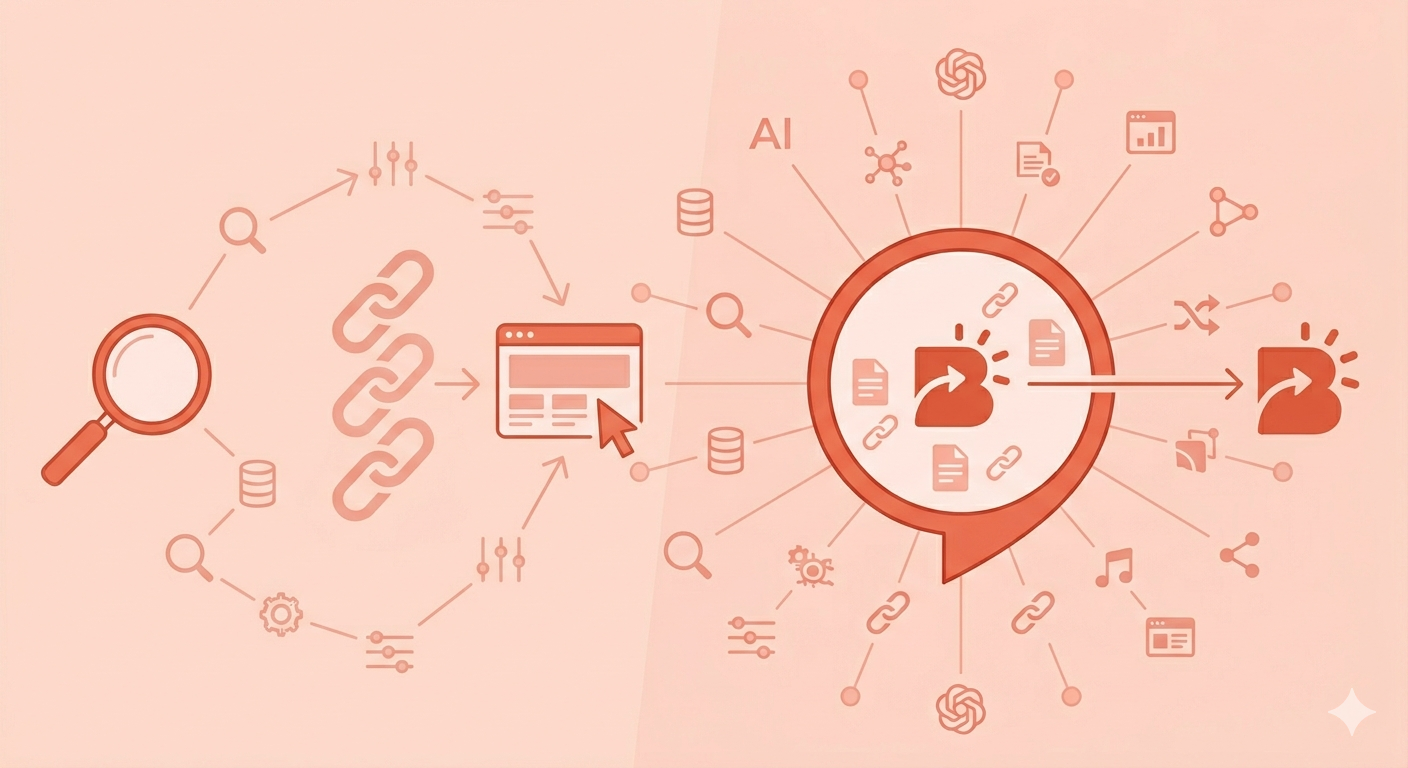
Understanding what drives AI citation is the foundation of any effective AEO strategy. The mechanics are different from what drives traditional search rankings — and the difference has important implications for what small brands need to do.
Each AI platform weighs signals differently. ChatGPT favors domain reputation and readability. Perplexity rewards verifiable citations. Gemini inherits Google's core ranking infrastructure. Claude prioritizes multi-source verification and balanced, non-promotional content. Digital Applied Team
This means there is no single optimization that works equally across all platforms — but there are several foundational signals that all platforms respond to positively.
Entity Authority — The New Foundation of AI Visibility
Entity authority is the new PageRank for AI search. Being recognized as a trusted entity across third-party sources, press coverage, industry reports, and structured databases drives AI citation more reliably than traditional link-based signals. Digital Applied Team
In practical terms, this means AI systems are asking a question about your brand before they cite it — is this brand recognized as credible by multiple independent sources? If the answer is yes, the brand gets cited. If the brand only exists on its own website and owned channels, the AI has limited evidence to draw on.
For small brands, building entity authority means deliberately creating a footprint across third-party platforms — review sites, industry directories, press mentions, expert roundups, podcast appearances, social platform profiles — anywhere that an AI system crawling the web will find your brand name associated with credibility signals from sources it already trusts.
Content Structure — How You Write Determines Whether AI Can Cite You
AI answer engines do not read your content the way a human reader does. They extract specific facts, definitions, and structured answers to pull into their generated responses. Content that is not structured for extraction is content that gets passed over, regardless of how well-written it is.
The answer-first content structure that AI systems reward means leading every section with a direct answer in 40 to 60 words, and adding statistics with source citations every 150 to 200 words. SellersCommerce
For small brands, this means restructuring existing blog content and new content alike around a specific format — clear definitions at the top of every article, short answer paragraphs that can be extracted cleanly, factual claims supported by cited statistics, and FAQ sections at the end of content pieces that address the specific questions your audience is asking in AI search interfaces.
Third-Party Source Presence — The 85% That Most Brands Ignore
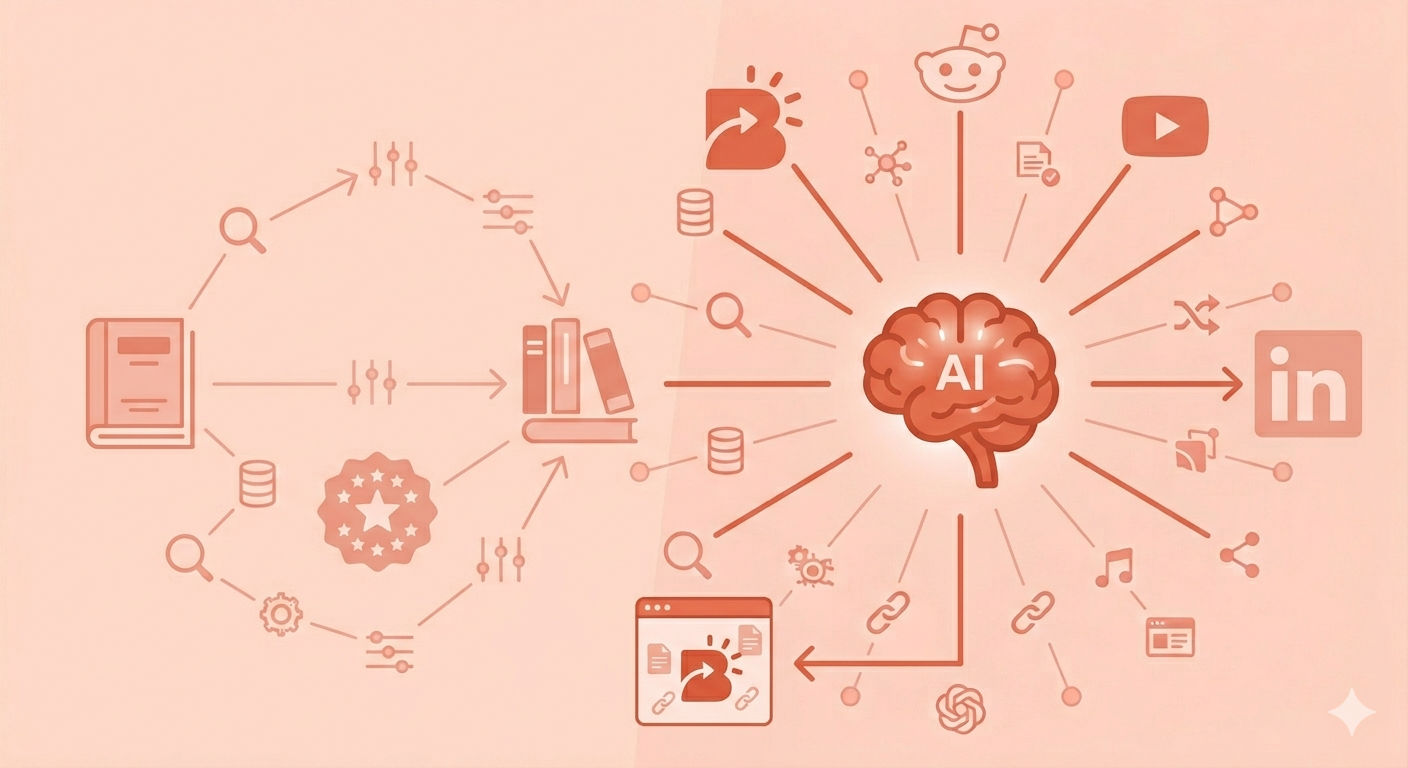
Your own domain accounts for roughly 15% of citations no matter how much content you publish. The ceiling is a source-diversity feature of how large language models build answers. If your entire AEO program is on-domain content, you are optimizing for the smallest slice of the citation pie. 10XCREW
This is the insight that separates brands making real progress in AEO from brands that are writing more blog posts and wondering why nothing is changing.
97.4% of AI citations come from non-Tier-1 earned media — Reddit threads, niche YouTube videos, LinkedIn posts, and the long tail of vertical sites — not Forbes, Bloomberg, or AP. Branvas
For small brands, this means the highest-leverage AEO activity is not producing more content on your own website. It is getting your brand mentioned, discussed, and referenced on the platforms that AI systems already trust and frequently cite — Reddit communities in your niche, YouTube videos about your category, LinkedIn posts from credible voices in your industry, G2 and Trustpilot reviews, and niche industry publications.
The Practical AEO Strategy for Small Brands — Step by Step
Understanding AEO in theory is one thing. Implementing it as a small brand with a lean team and limited resources is another. The following steps are sequenced by impact — starting with the changes that produce the most AEO benefit in the shortest time.
Step One — Audit How AI Currently Represents Your Brand
Before optimizing, you need to know your starting point. Open ChatGPT, Perplexity, Gemini, and Google AI Overviews and ask them the questions your potential customers are asking.
Search for the category your brand operates in — the type of product you make, the problem you solve, the customer you serve. Look for where your brand appears in the generated answers. Note which competitors are being cited and which sources are being referenced to support those citations. This audit tells you the gap between where your brand currently sits in AI-generated answers and where you need to be.
The answers across different platforms will vary — each AI platform may surface different results for the same query, so cross-platform auditing is essential. What you are looking for is the pattern — the types of sources being cited, the brands being named, and the specific questions where your brand has zero presence. Digital Applied Team
Step Two — Restructure Your Content for Extraction
Go through your existing blog posts and product pages and restructure them for answer-first formatting.
Every article should begin with a clear, concise definition or answer to the primary question the article addresses — written in two to three sentences that a language model can extract cleanly. Every major section should follow the same pattern — lead with the direct answer, then expand with context, evidence, and examples.
Add FAQ sections to every significant piece of content. The specific questions in those FAQs should match the exact phrasing your audience uses when asking questions in ChatGPT or Perplexity — conversational, direct, question-formed. This is where much of AI citation happens — the FAQ section provides pre-formatted Q&A pairs that answer engines can lift directly into their generated responses.
Add schema markup to your content pages. FAQ schema, Article schema, and Organization schema all signal to AI crawlers what your content is about and how to classify it — making your content more machine-readable and more likely to be extracted.
Step Three — Build Third-Party Presence on the Platforms AI Cites
This is the step most small brands skip because it feels less controllable than producing content on their own website. It is also the step that produces the most AEO impact.
Google tends to surface content from platforms like Facebook and Yelp, while ChatGPT frequently cites Reddit and Wikipedia, and Perplexity emphasizes sources like Reddit, LinkedIn, and G2. Building presence on these specific platforms is not optional for effective AEO — it is where the majority of AI citations originate. eMarketer
For small brands, this means being genuinely active on Reddit in the communities where your category is discussed. It means having a complete and regularly updated LinkedIn company page with content that speaks to your brand's expertise. It means encouraging customers to leave detailed reviews on G2, Trustpilot, or the relevant review platform for your category. It means producing YouTube content on your category's key questions so that AI systems have video content from your brand to reference.
None of these activities require significant budget. They require consistency and intentionality — showing up in the places AI systems already trust and making sure your brand's expertise and credibility are visible there.
Step Four — Earn Mentions in Niche Publications and Expert Roundups
Strengthen your entity authority by earning mentions in third-party publications, industry analyst reports, and expert roundups. Maintain an up-to-date Google Knowledge Panel, implement Organization schema markup, and ensure your brand's information is consistent across Wikipedia, Crunchbase, LinkedIn, and industry directories. Digital Applied Team
For small brands, this does not mean landing features in major national publications — though those are valuable if they come. It means identifying the specific niche publications, industry blogs, and expert newsletters that cover your category, and getting your brand referenced in them.
Guest posts that demonstrate genuine expertise in your niche. Data or original research that niche publications want to cite. Being included in a "best of" roundup for your category. Each of these creates a citation footprint that AI systems use to validate that your brand is a credible authority worth including in their generated answers.
The brands AI recommends publish consistently — let SnapReel handle your daily content automatically.
Create AI-powered videos and auto-post to all your platforms.
What Small Brands Can Realistically Achieve With AEO in 2026
Setting accurate expectations for AEO is important before investing time and resources into it.
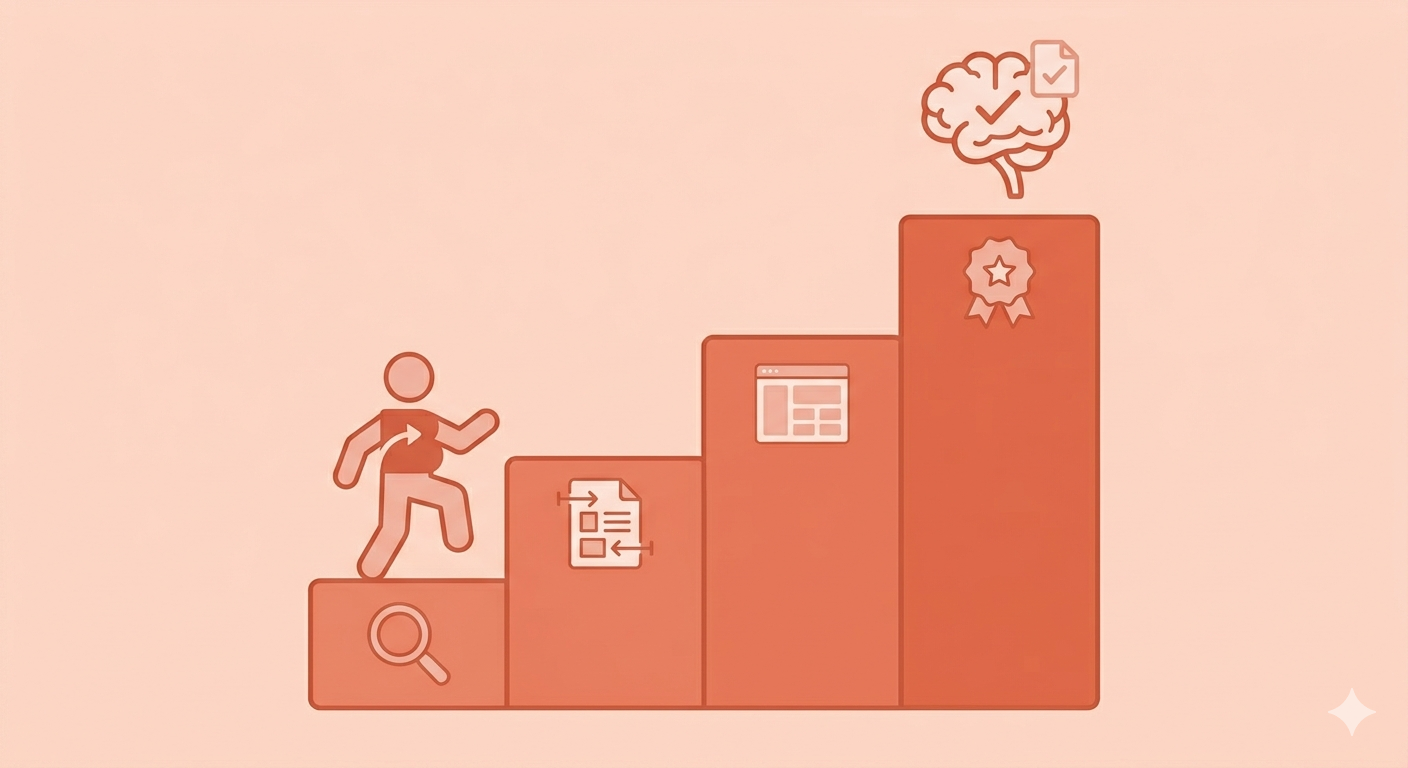
AEO is not a quick fix. AI citation authority is built over months, not weeks, and the brands that are already well-represented in AI-generated answers have head starts that take consistent effort to close. But for small brands starting now — before AEO becomes as saturated as traditional SEO — the window to build durable citation presence is still genuinely open.
The realistic outcomes for a small brand that implements AEO consistently over a six-to-twelve month period are meaningful. AI-referred traffic from ChatGPT, Perplexity, and Gemini begins appearing in analytics as a distinct source. Brand mentions in AI-generated answers for category queries increase. The specific questions your audience asks about your product category start surfacing your brand as a cited option rather than surfacing only your competitors.
AI traffic conversion rates are meaningfully higher than organic search in many categories — with ChatGPT traffic converting at rates reported between 14% and 16% in B2B contexts, compared to standard organic conversion rates of 2% to 3%. The quality of the traffic that AEO generates is a significant part of why it deserves serious attention as a channel — users arriving from an AI recommendation are further along the consideration process than users arriving from a cold search result. GetStream
The brands that treat AEO as a core channel in 2026 will be positioned the way brands that invested in SEO in 2010 were positioned by 2015 — with a durable visibility advantage that compounds over time and becomes progressively harder for late-movers to replicate.
SnapReel AI's video content strategy directly supports your AEO program — the short-form videos your brand produces on TikTok, Instagram, and YouTube create the third-party content footprint that AI systems cite when building answers, so every piece of video content you publish is simultaneously growing your social audience and your AI search visibility at the same time.