Why Your Brand Needs a Community, Not Just Followers — The Small Brand Community Management Strategy for 2026
SnapReel
May 11, 2026 · 13 min read
Table of Contents
There's a metric almost every small brand obsesses over — follower count. It feels like the ultimate scoreboard. The bigger the number, the more successful you look. But in 2026, follower count has become one of the most misleading numbers in marketing. Brands with 500,000 followers are posting content that gets 200 likes. Meanwhile, a small skincare brand with 4,000 followers has a comment section that looks like a group chat between old friends — questions, replies, inside jokes, and genuine excitement on every single post.
The difference isn't content quality. It isn't posting frequency. It isn't even budget. The difference is community.
Social media is going through its most significant behavioral shift in years. People are exhausted by broadcast-style marketing — perfectly polished posts that talk at them instead of with them. They're retreating from noisy public feeds into private groups, DM conversations, niche comment threads, and brand spaces where they actually feel heard. The brands that understand this shift are growing faster, retaining customers longer, and spending less on ads. The ones that don't are burning through content budgets with almost nothing to show for it.
This guide is for small brands who want to get ahead of that shift. Here's exactly what community management is, why it's the single most important thing you're probably not doing right now, and how to build a real brand community in 2026 — even with a team of one.
What Is Community Management — And Why Is Everyone Talking About It in 2026?
Community management sounds like a corporate buzzword, but the concept is beautifully simple. It's the practice of actively engaging your audience — responding to comments, starting conversations, showing up in DMs, and making your followers feel like they're part of something rather than just watching something.
Most small brands treat their social media like a broadcast channel. They post, they wait, they maybe reply to a few comments, and then they post again. That's content management. Community management is fundamentally different. It's the work that happens between the posts — the replies, the conversations, the shoutouts, and the personal acknowledgments that slowly turn a casual scroller into a loyal brand advocate.
The reason it's dominating marketing conversations in 2026 comes down to two things: algorithm shifts and raw human behavior. Platforms like Instagram, TikTok, and LinkedIn are now explicitly rewarding genuine engagement signals — replies, saves, shares, rewatch time — over raw reach. The more real conversations your content sparks, the more the algorithm pushes it to new people. Community management isn't just good for relationships. It's now directly tied to organic reach.
Community vs. Followers — What's the Real Difference?
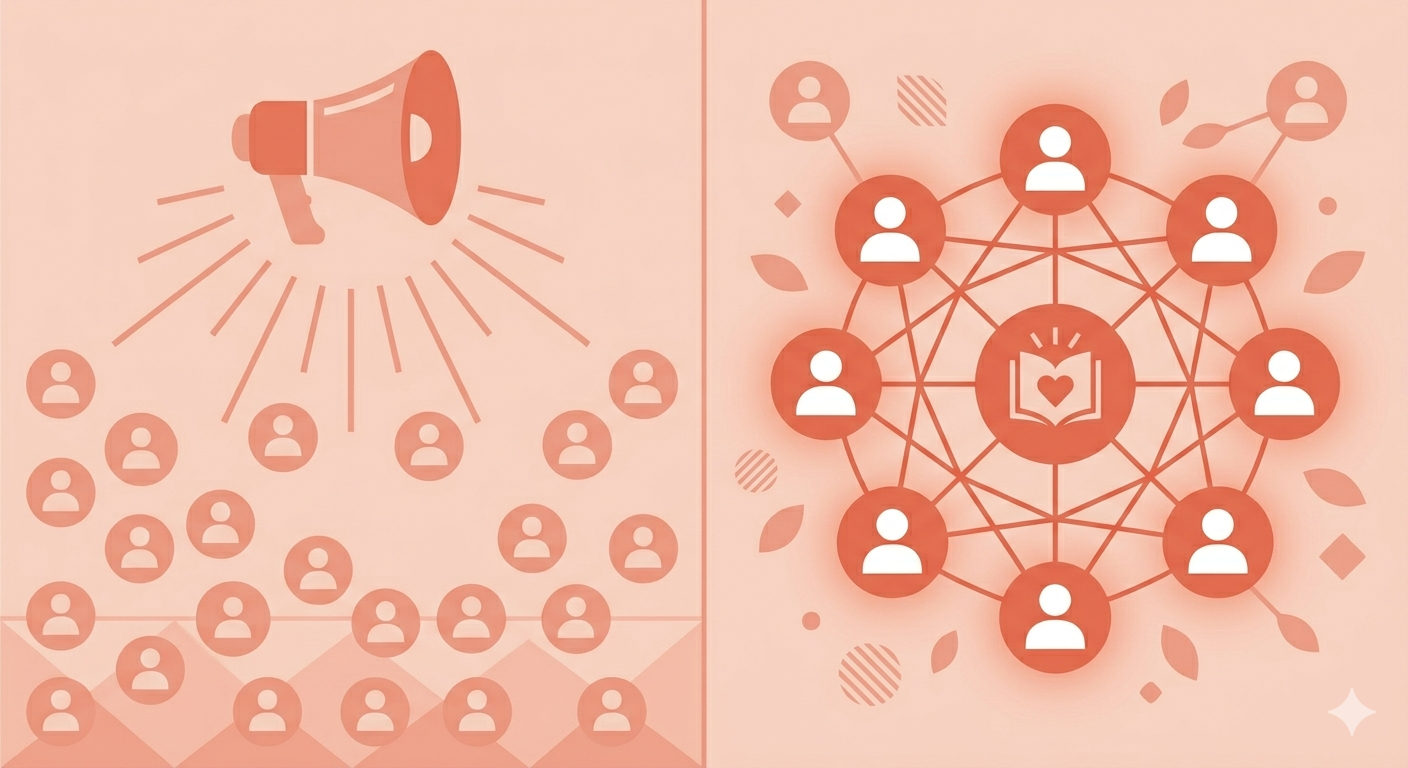
A follower is someone who clicked a button. A community member is someone who comes back. A follower sees your post and scrolls past. A community member stops, reads, replies, tags a friend, and checks your profile later. A follower gives you a vanity number. A community gives you a business.
The brands that have cracked this in 2026 understand that the goal of social media isn't to collect followers — it's to build a group of people who genuinely care about what you do. These are the people who defend you when someone leaves a negative comment. Who buy from you without needing a discount. Who recommend you to friends without being asked. That kind of loyalty isn't bought with ads. It's built through consistent, genuine community management.
Why Community Management Is the Biggest Advantage Small Brands Have in 2026
Here's something big brands can never fake: intimacy. A brand with 5 million followers physically cannot respond to every comment. They can't have a real conversation with the person who just bought their product for the first time. They can't make a follower feel personally seen. But you can. And in 2026, that intimacy is worth more than any ad spend.
Small brands have always had the advantage of feeling human. But most of them don't lean into it enough. They try to look bigger than they are, posting polished content that feels corporate and cold. The brands winning right now are doing the opposite — they're leaning into their smallness, their personality, their realness. And community management is the engine that makes all of that actually land.
When you respond to a comment within an hour, that person notices. When you remember someone's name and reference something they said two weeks ago, they tell their friends about it. When you turn a customer complaint into a genuine conversation, you don't just save that customer — you earn a loyal advocate. These micro-moments of connection are what separate the brands people love from the brands people just follow.
The Algorithm Rewards Community — Here's the Proof
TikTok recently revealed details about their content ranking system, and the signal was clear: comments, replies, shares, and rewatch time are the most powerful ranking factors on the platform. Instagram's algorithm works similarly — content that generates back-and-forth conversations in the comment section gets pushed to the Explore page and to new audiences far more than content that simply gets passive likes.
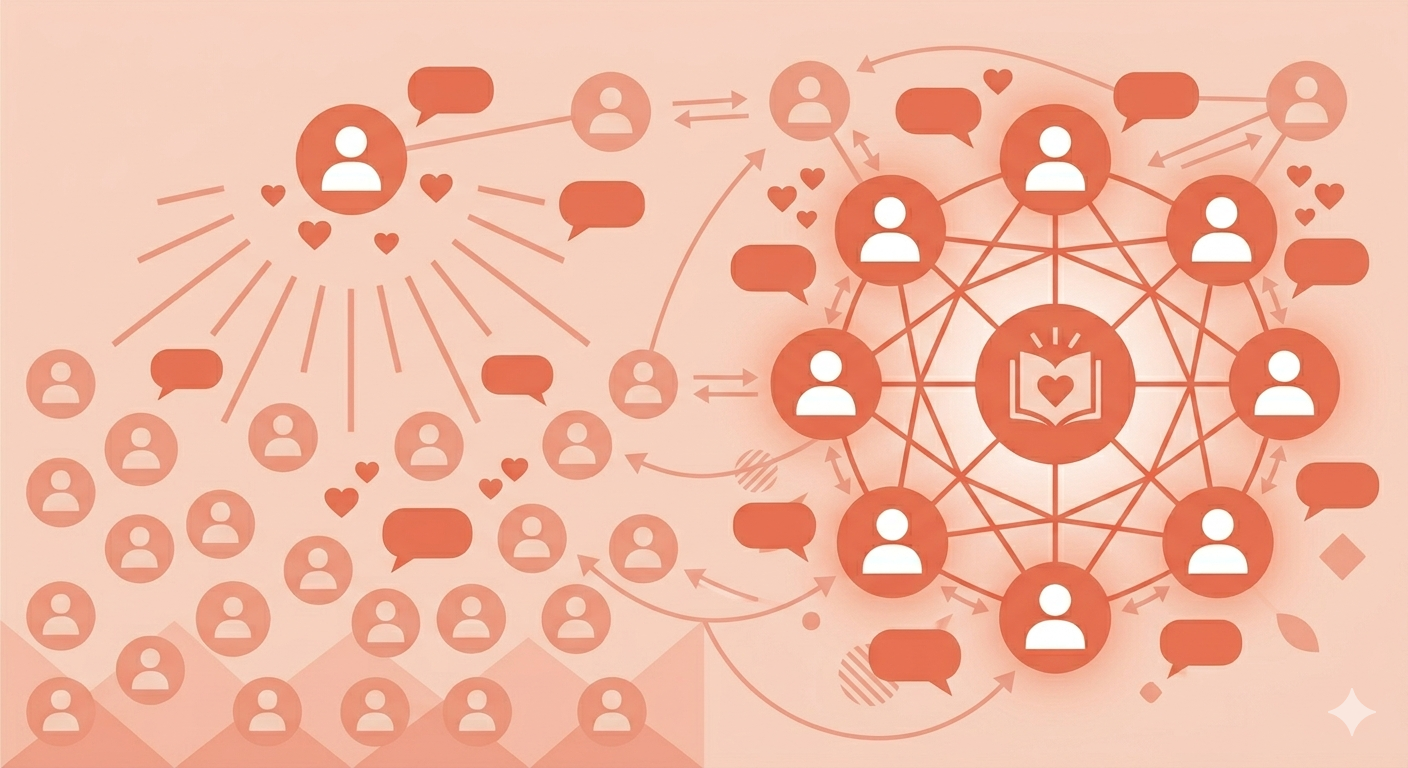
This means community management isn't just a relationship strategy — it's a growth strategy. Every time you reply to a comment and spark a follow-up response, you're signaling to the algorithm that your content is worth amplifying. Every time you ask a question in your caption and actually respond to the answers, you're feeding the exact engagement loop that platforms reward. Small brands who build active communities don't just get loyal customers — they get free organic reach that money can't buy.
How to Build a Brand Community From Scratch — Step by Step
Building a community doesn't require a Discord server, a membership program, or a paid community platform. It starts with something much simpler: deciding to show up differently on the channels you already have. Here's exactly how small brands are doing it in 2026.
Step 1 — Stop Broadcasting, Start Conversing
The first and most important shift is mental. Every time you're about to post something, ask yourself: does this invite a response, or does it just deliver information? Posts that end with a genuine question, a relatable opinion, or an open-ended statement consistently outperform posts that just announce things. Instead of "New product drop — link in bio," try "We spent six months getting this formula right — what's the one ingredient you always check before buying skincare?" One of these starts a conversation. The other ends it before it begins.
Step 2 — Respond to Every Comment for the First 60 Minutes
The first hour after posting is the most algorithmically important window on almost every platform. When you actively reply to comments during this window, you create a comment thread — and comment threads signal to the algorithm that your content is generating real engagement. Set a reminder every time you post. Spend the first 60 minutes in your comment section, replying genuinely, asking follow-up questions, and keeping conversations going. This single habit alone can double your organic reach over time.
Step 3 — Create a Space Where Your Community Lives
Public feeds are great for discovery. But the deepest communities live somewhere more intimate. In 2026, the most effective small brands are creating dedicated spaces for their most engaged followers — an Instagram Broadcast Channel, a WhatsApp community group, a private Facebook Group, or even just a consistent Stories Q&A cadence. These spaces don't need to be elaborate. They just need to feel exclusive and personal. When your most loyal followers have a place to gather that isn't the public feed, you create a core group of advocates who are invested in your brand's growth.
Step 4 — Acknowledge Your Regulars
Every community has its regulars — the people who comment on almost every post, who share your content, who send you DMs. These people are your most valuable asset, and most brands ignore them completely. Make it a habit to acknowledge them. Reply to them by name. Shout them out in Stories. Feature their content. DM them occasionally just to say thank you. These small gestures cost nothing but create a level of loyalty that no ad campaign can replicate. When your regulars feel seen, they become advocates — and advocates bring new community members with them.
Give your community something to rally around — daily branded content that sparks real conversation.
Create AI-powered videos and auto-post to all your platforms.
What to Actually Say — Community Management Responses That Build Loyalty
One of the biggest reasons small brands avoid community management is that they don't know what to say. Responding to "Love this!" with "Thank you so much!" gets boring fast, and it doesn't build any real connection. Here's how to make your responses actually mean something.
Go Beyond the Surface Reply
When someone compliments your product, don't just thank them — ask them something. "So glad you love it! How long have you been dealing with that issue?" or "Which scent did you go with? We're curious what people are gravitating toward." This keeps the conversation going, signals genuine interest, and often gives you valuable feedback without needing a formal survey.
When someone asks a question, answer it fully — don't just drop a link. People who ask questions in comment sections are your warmest potential customers. The way you respond to them publicly is also visible to everyone else reading the thread. A thoughtful, helpful reply does double duty: it converts the person who asked, and it builds trust with everyone watching.
Handle Negative Comments Like a Pro
Negative comments are actually community management gold if you handle them right. Ryanair built an entire social media identity by turning criticism into humor — and their community loves them for it. You don't have to be a comedian, but you do need to respond. Ignoring negative comments signals that you don't care. Responding with genuine empathy, accountability, and a solution signals that you're a brand worth trusting.
The formula is simple: acknowledge the frustration, take responsibility if it's warranted, offer a resolution publicly, and move the detailed conversation to DMs. Done right, a negative comment thread can become one of the most trust-building pieces of content on your entire profile.
The Metrics That Tell You Your Community Is Actually Growing
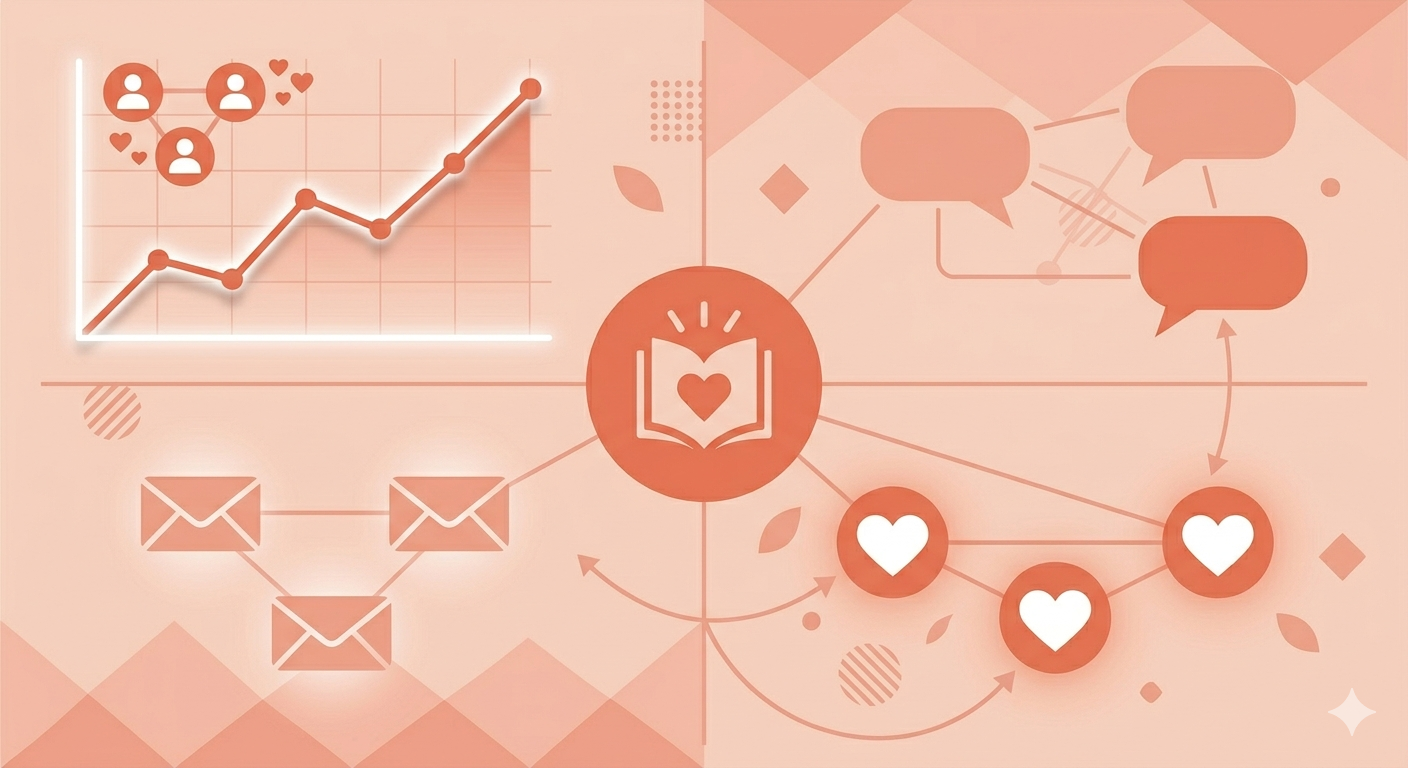
Most brands measure community health wrong. They look at follower growth, reach, and impressions — all of which tell you how many people saw your content, but nothing about how many people actually care. The metrics that matter for community health in 2026 are different.
Comment-to-Like Ratio is one of the most telling numbers on any post. If you're getting thousands of likes but barely any comments, you have an audience — not a community. A healthy community consistently generates comments relative to likes. Aim to improve this ratio over time by posting content that demands a response.
Reply Rate on Stories tells you how many people feel comfortable enough to actually respond to you directly. Stories Q&As, polls, and question boxes that get high response rates are a clear indicator of community health. If your Stories get views but no responses, your audience is passive — and passive audiences don't buy, share, or advocate.
DM Volume is an underrated community health signal. When people DM a brand, it means they see the brand as approachable and human. Track how often people are reaching out to you directly — not just commenting publicly. A growing DM inbox is one of the best signs that your community management is working.
Repeat Commenters are your community's inner circle. Use your platform's analytics to identify people who engage with you consistently across multiple posts. These are your advocates. Knowing who they are lets you nurture those relationships intentionally.
The Biggest Mistakes Small Brands Make With Community Management
Understanding what to do is only half the equation. The other half is knowing what destroys communities before they even get started.
The most common mistake is inconsistency. A brand will have a week of amazing engagement — replying to everything, starting conversations, making people feel seen — and then disappear for two weeks because they got busy. Community building requires consistency above everything else. Even if you can only spend 20 minutes a day on engagement, showing up every day matters far more than occasional bursts of effort.
The second mistake is being too promotional. A community is not an audience for your sales pitches. If every reply you make points back to a product or a link, people will feel used rather than valued. The ratio should feel more like 80% genuine conversation, 20% brand messaging. When your community feels like a safe space for conversation rather than a marketing funnel, people stay — and they bring friends.
The third mistake is outsourcing community management to someone who doesn't understand your brand voice. Community management only works when it feels personal and consistent. If you hand it off to someone who replies with generic, robotic responses, you'll erode trust faster than no engagement at all. If you do need help, train whoever manages your community thoroughly on your brand's personality, values, and the way you speak to people.
Start Small, Stay Consistent — Your 30-Day Community Management Plan
You don't need to overhaul your entire social strategy to start building a community. You need to start with small, consistent actions that compound over time. For the next 30 days, commit to these three things every single day.
Spend 20 minutes replying to comments and DMs across all your platforms — not with generic responses, but with genuine, conversational replies that invite follow-up. Post at least one piece of content per week that explicitly invites your audience to share their opinion, experience, or question. And identify your top five most engaged followers each week — acknowledge them, feature them, or simply reply to them in a way that makes them feel genuinely seen.
That's it. Twenty minutes a day, one conversation-starting post per week, and five personalized acknowledgments. Do that consistently for 30 days and watch what happens to your comment sections, your DMs, and your overall engagement rate. Community doesn't grow overnight — but it does grow. And once it does, it becomes the most durable, valuable asset your brand has.
In 2026, the brands that win on social media won't be the ones with the biggest budgets or the most followers. They'll be the ones with the most loyal communities. And loyalty is built one genuine conversation at a time.
SnapReel AI helps small brands stay consistently present on social media — so you never miss the window to engage when it matters most. Let the content run on autopilot while you focus on building the community that actually grows your brand.