Why Funny Brands Win on Social Media — The Small Brand Guide to Using Humor as a Marketing Strategy in 2026
SnapReel
May 12, 2026 · 15 min read
Table of Contents
Open your social media app right now and scroll for 60 seconds. Count how many brand posts make you feel anything at all. If the answer is close to zero, you've just diagnosed the biggest problem in small brand marketing in 2026. The feed is full of content that is technically correct — good photography, clear messaging, consistent posting schedules — and completely forgettable. Nobody saves it. Nobody shares it. Nobody talks about it. It gets seen, maybe liked, and immediately forgotten in the scroll.
Now think about the last brand post you actually sent to someone. The last one you screenshotted. The last one that made you say "this brand gets it." Chances are, it made you laugh.
Humor is no longer optional in 2026 social media — it drives engagement because it signals humanity and cultural awareness. In a content landscape increasingly dominated by AI-generated posts that are clean, competent, and utterly soulless, a brand that is genuinely funny stands out not just aesthetically but fundamentally. Humor is the most reliable signal that a real human made something — and in 2026, that signal is worth more than any production budget. Uh
The numbers back this up completely. 80% of consumers are more likely to buy again from a brand that uses humor, and 53% of successful ads are rated as funny or clever. Meme campaigns pull 60% organic engagement on Facebook and Instagram — compared to regular marketing graphics that barely scrape 5% — and over 60% of consumers say they're more likely to buy from brands that use memes. These aren't marginal improvements. They're transformative differences in performance. Join BrandsMonolit
This guide is for small brands that want to use humor strategically — not just tell random jokes and hope something lands, but build a genuine comedic voice that makes their brand memorable, shareable, and worth following. Here's exactly how to do it.
Why Humor Works — The Psychology Behind the Laugh
Understanding why humor works in marketing helps you use it more deliberately — and avoid the mistakes that make branded humor land with a thud instead of a laugh.
At its core, humor works because it triggers a positive emotional response in the exact moment someone encounters your brand. Research consistently shows that humorous advertising enhances recall and creates positive associations with brands — consumers are 47% more likely to remember a funny ad than a straightforward one, and this emotional connection fosters trust and loyalty leading to higher engagement and repeat purchases. Memory is the foundation of brand building. If your content isn't remembered, it didn't work. Humor is the most reliable mechanism for being remembered. Marketing Agent Blog
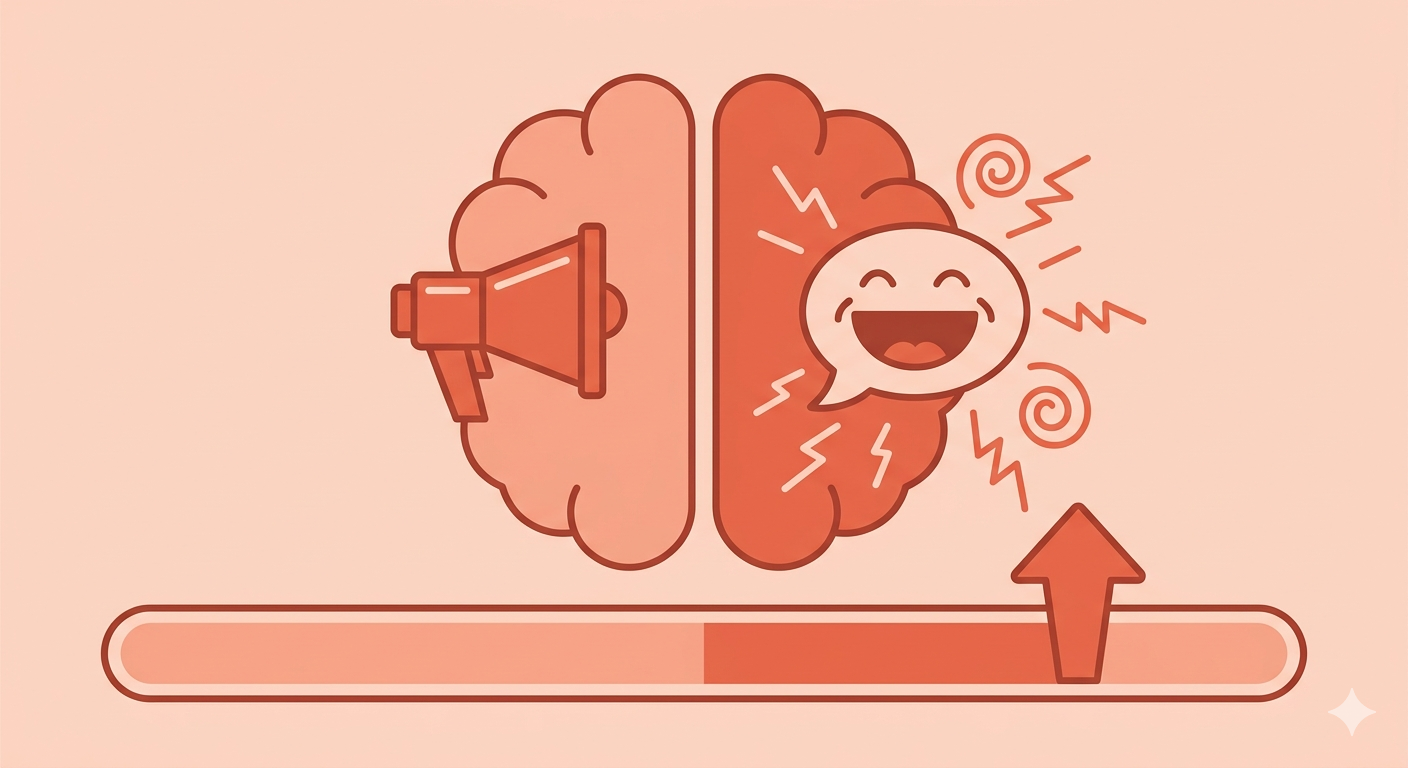
But the psychological mechanism goes deeper than just recall. When something makes you laugh, your brain releases dopamine — the same reward chemical that makes you feel good after exercise or a good meal. Your brain then associates that positive feeling with whatever triggered it. In the context of brand marketing, that means your brand gets associated with a positive emotional state every time your content makes someone laugh. Over time, those associations compound into something brands spend millions trying to manufacture through traditional advertising: genuine affection.
People love funny brands because they feel human — and nobody remembers the company that just says "Happy Friday!" but they do remember the tweet about a painfully relatable moment. Humor makes a brand feel approachable, real, and on the same level as your audience rather than above them. That shift in perceived relationship changes everything about how people engage with your content, talk about your brand, and ultimately decide whether to buy from you. Later
There's also a virality dimension that no other content type can match. Instagram users share over one million memes daily — and a tiny startup with a clever meme can blow up just as big as a Fortune 500 company's expensive campaign. When people share your meme, they're basically vouching for you to their friends, which is far more powerful than any paid ad. Humor is the most shareable content format that exists, which means every piece of genuinely funny content your brand creates has the potential to reach far beyond your existing audience at zero additional cost. Monolit
The Four Types of Brand Humor That Actually Work in 2026
Not all humor is created equal, and not all humor styles fit all brands. The brands that use humor most effectively have a clear sense of which type of comedic voice matches their identity — and they stay consistent with it rather than jumping between styles randomly.
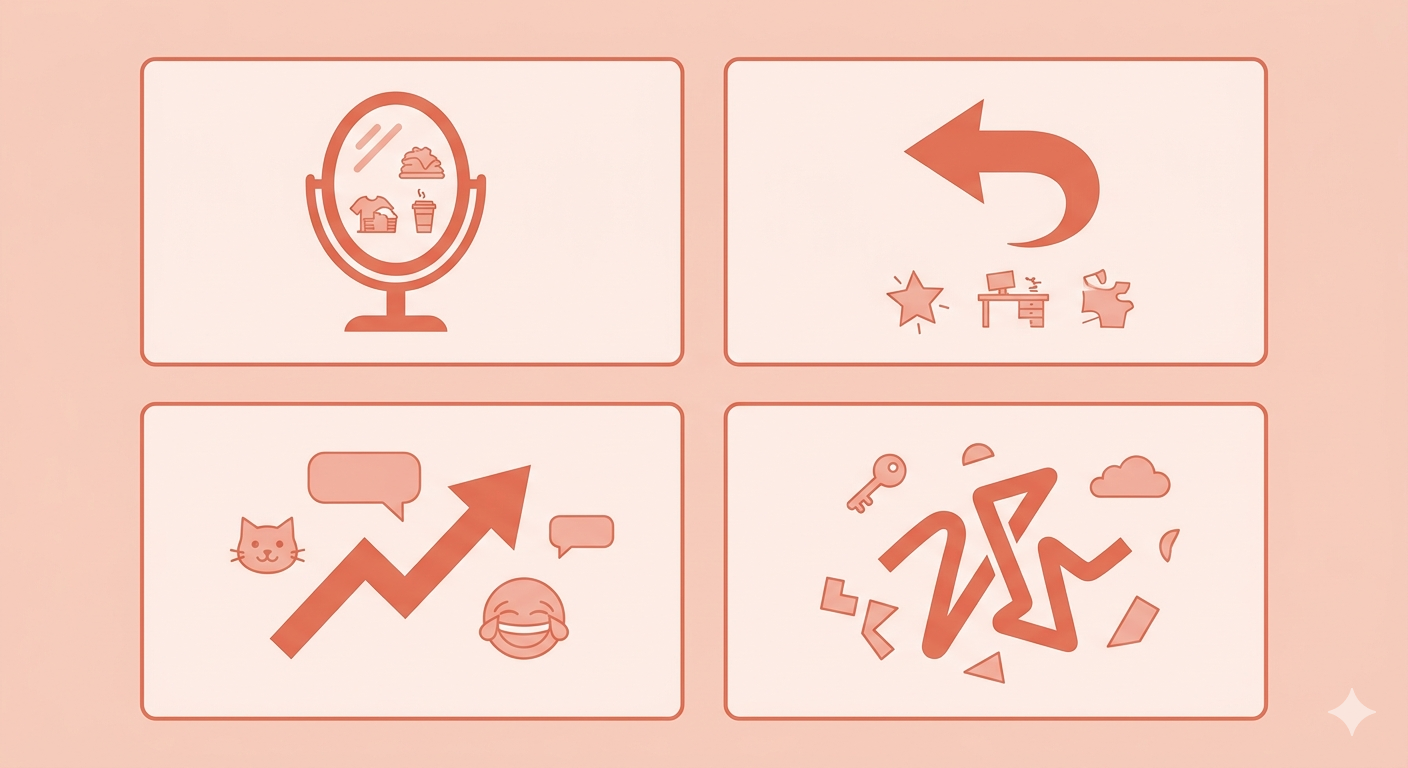
Type 1 — Relatable Humor
This is the most accessible form of brand humor and the most universally effective. Relatable humor takes a specific feeling, frustration, or experience that your audience has and names it in a way that makes them think "this brand understands me." It's the humor of recognition — the laugh you get when something perfectly articulates something you've felt but never quite put into words.
For a coffee brand, relatable humor looks like a post that captures the feeling of being completely non-functional before the first cup. For a skincare brand, it's capturing the specific experience of spending $80 on a moisturizer and not seeing results for three weeks. For a sustainable clothing brand, it's the feeling of wanting to be environmentally conscious but also wanting something that actually looks good. The classic "we've all been there" humor creates a sense of connection that goes far beyond the traditional consumer-brand relationship — it makes the brand feel like a companion rather than a product. Later
The key to relatable humor is specificity. Generic relatable humor — "Mondays, am I right?" — lands flat because everyone is doing it. Specific relatable humor — something that captures a very particular feeling that only your exact target customer would recognize — lands much harder because it feels like it was made specifically for them.
Type 2 — Self-Deprecating Humor
Self-deprecating humor is the most powerful trust-builder available to a small brand, and the most underused. When a brand makes fun of itself — its limitations, its quirks, its early failures, its honest shortcomings — it signals something that no amount of polished marketing can manufacture: genuine confidence and authenticity.
Ryanair is the textbook example. A budget airline that should be embarrassed about its reputation for delays, cramped seats, and aggressive upselling has instead built one of the most beloved social media presences in Europe by leaning entirely into self-roasting. Ryanair roasts themselves with cheap-looking memes and deadpan humor — it's so self-aware that people can't help but love it. The irony is that by making fun of exactly the things people criticize them for, they've defused the criticism completely and built a loyal following that actively enjoys engaging with their content. Monolit
For small brands, self-deprecation works because it shows you don't take yourself too seriously — which is exactly the vibe small brand audiences want. Making fun of your tiny team, your chaotic production process, your bootstrap budget, or your founder's very specific obsessions signals authenticity that corporate-polished brands can never achieve. A little self-roasting makes a brand feel relatable, as long as it doesn't make people question your competence. The sweet spot is making fun of process and personality, not product quality. Later
Type 3 — Meme Culture and Trend Participation
Meme marketing is the fastest, lowest-cost way to achieve viral reach in 2026 — but it's also the easiest to get wrong. The brands that succeed with memes are the ones with genuine cultural fluency: they understand internet culture from the inside, not from a boardroom presentation about what's trending.
The brands winning at meme marketing understand three things: perfect timing, what's happening in culture right now, and staying real. They're not just following trends — their teams actually live and breathe internet culture. When it feels forced, people notice immediately. Monolit
The practical rule for meme participation is simple: if you have to ask whether it's too late to use a meme, it's already too late. Meme relevance has a half-life measured in days, sometimes hours. The brands that win at meme marketing have someone on their team who is genuinely online — not checking social media as a work task, but actually participating in internet culture as a normal person — and they have the speed and trust to post something quickly when a relevant meme moment appears, without three rounds of approval killing the timing.
Type 4 — Absurdist and Unexpected Humor
Absurdist humor — content that is deliberately surreal, unexpected, or logically disconnected in ways that are somehow still funny — is the highest-risk, highest-reward format in brand comedy. When it works, it creates moments that people talk about for years. When it doesn't, it creates confusion and sometimes embarrassment.
Gen Z loves the weird, random stuff that makes no logical sense but somehow feels perfect — surreal humor that defies conventional marketing logic. Brands that have successfully built absurdist voices — like Duolingo's dramatic owl character, or Old Spice's intentionally bizarre advertising — create a kind of brand mythology that conventional marketing never achieves. The content becomes talked about not just for what it sold but for what it was as a piece of creative work. Monolit
For small brands, absurdist humor is best attempted when you have a founder or team member who is genuinely funny in this way — not performed funny, but naturally inclined toward the unexpected and surreal. Forced absurdism lands worse than no absurdism at all. But if you have a genuine comedic sensibility in that direction, leaning into it fully and consistently is one of the most effective differentiation strategies available.
Keep your brand showing up consistently with content your audience actually enjoys watching.
Stay ahead with SnapReel — your AI-powered social media manager.
How to Find Your Brand's Comedic Voice — The Practical Framework
The most common mistake small brands make when trying to be funny is attempting to perform humor rather than express it. Performed humor is visible — it has the structure of a joke without the organic timing and specificity that makes jokes actually land. The brands that are genuinely funny on social media aren't following a humor template. They have a comedic voice that is consistent, specific, and rooted in something real about who they are.
Finding your brand's comedic voice starts with understanding what your team — or if you're a solo founder, what you — are genuinely funny about. Not what you think your audience wants, not what another brand is doing successfully, but what kind of humor comes naturally to the people behind your brand. That authenticity is what makes branded humor feel real rather than performed.
Relatable humor feels like a friend talking, not a brand selling — and that's why it often earns more comments and shares than polished advertising. The best humor is specific. Specificity is the key. Generic humor about generic situations doesn't create the feeling of being understood. Specific humor about the very particular experiences of your specific audience creates that feeling instantly. Uh
The Content Audit Approach
Go through your last 30 posts and identify the ones that got the most genuine engagement — not just likes, but comments, shares, and DMs. Which ones prompted people to tag friends? Which ones got "this is so accurate" comments? Those are your comedic anchors. They tell you what your audience finds relatable and what kind of content creates that feeling of genuine connection. Build more of those.
Test Small, Scale What Works
Humor requires ongoing iteration and learning — analyze feedback and adapt future campaigns based on what works best, because success with humor often requires finding your specific audience's sense of humor through testing. Start with low-stakes experiments. Post a slightly more playful caption than usual on a Tuesday afternoon. Try a meme format that feels relevant to your brand. Share a self-deprecating moment from your business. Watch the engagement carefully — not just total numbers, but the quality and tone of comments. The comments that say "this is so real" or "I needed this today" are telling you you've found something worth developing. Marketing Agent Blog
Platform-Specific Humor — What Works Where
Humor doesn't translate identically across platforms, and understanding what makes each platform's audience laugh is as important as developing your comedic voice.
On TikTok, humor is fast, culturally specific, and often built around audio trends and visual formats that have built-in comedic context. The humor that performs best on TikTok is either extremely relatable (capturing a specific feeling your audience has) or participates in an existing meme format with a brand-specific twist. TikTok audiences have low tolerance for humor that feels like a brand trying too hard — but high appreciation for brands that participate in trends with genuine timing and self-awareness.
On Instagram, humor works best in captions and meme-format posts rather than in heavily produced video. The most shareable Instagram content from brands tends to be simple, text-on-image formats that capture a relatable experience — the kind of thing someone forwards to a friend with no caption because the image says everything. Instagram's approach to humor is more personal, contributing to emotional connections rather than the fast-moving satirical humor of TikTok. Later
On LinkedIn, which has traditionally been the least funny platform on the internet, humor is actually an enormous opportunity in 2026 precisely because so few brands attempt it there. In a feed flooded with AI-generated competence, the brands that win aren't the clearest — they're the ones people remember when timing finally shifts, and blending in is actually the riskiest choice. A genuinely funny LinkedIn post from a founder stands out dramatically in a sea of earnest thought leadership and gets shared far beyond the brand's existing network. 3318
The Mistakes That Kill Branded Humor
Understanding what not to do is as important as understanding what to do — because failed humor damages brand perception more than no humor at all.
Trying too hard is the cardinal sin of branded humor. Nothing is more cringe than a brand desperately trying to be cool — Gen Z will roast you for it, and the roasting spreads faster than the original content. If your team has to debate whether something is funny, it probably isn't. Genuine humor doesn't require consensus approval — it makes people laugh immediately. The content that requires a ten-minute team discussion about whether the joke lands probably needs to be scrapped and replaced with something that doesn't require explanation. Monolit
Being too late on trends is the second biggest mistake. Hop on viral memes fast or don't hop on them at all — using a meme from last year is the equivalent of posting in Comic Sans. When a brand uses a meme that peaked three weeks ago, it signals one of two things: the brand doesn't actually understand internet culture, or their approval process is so slow they can never be relevant. Both are worse than not participating. Later
Forgetting the brand connection is the third common failure. Humor that has nothing to do with your brand, your product, or your audience's experience is just entertainment — it might get engagement, but it doesn't build brand memory or purchase intent. The best branded humor is always connected to something true about your brand, your product, or your customer's life. Humor still needs to make sense for your brand — a hilarious meme that makes no sense for your brand just confuses people. Later
Getting Started — Your First Week of Humor-Forward Content
If your brand has never leaned into humor before, the jump feels bigger than it is. Here's how to start without committing to a complete personality overhaul.
Start with your captions. Don't change your content format at all — just try writing one caption per week that has a genuinely playful edge. Not a forced joke, not a meme, just a caption that's slightly more honest, self-aware, or specific than your usual brand voice. Something like observing a very particular truth about your product category or your customer's experience in a way that makes someone smile rather than just nodding. Watch the engagement on these posts carefully compared to your standard captions.
Week two, try one piece of explicitly self-deprecating content. Share something that went wrong in your business — a batch that didn't come out right, a design decision you regret, a shoot that went sideways — with a tone that's honest and lightly amused rather than embarrassed or defensive. This kind of content consistently outperforms polished brand content because it signals real humanity.
Week three, participate in one meme format that's currently active on TikTok or Instagram and is genuinely relevant to your brand or your customer's experience. Don't force the connection — if you can't think of a natural tie-in, skip it. But if you see a format that immediately makes you think "this is exactly my customer," post it quickly and watch what happens.
By the end of three weeks, you'll have data on which comedic direction generates the best response from your specific audience. That data is your roadmap for developing a genuine comedic voice that grows your brand's personality, memorability, and engagement in a way that no amount of polished, serious content can replicate.
In 2026, the brands that make people feel something — especially laughter — are the brands people remember, recommend, and return to. The most sophisticated marketing strategy available to a small brand right now might just be learning to be genuinely funny.
SnapReel AI handles the content volume so you have the creative bandwidth to actually think about what makes your brand funny — and then make more of it.