Why Smart Small Brands Are Moving to LinkedIn and Substack in 2026 — The Platforms No One Is Talking About
SnapReel
May 11, 2026 · 12 min read
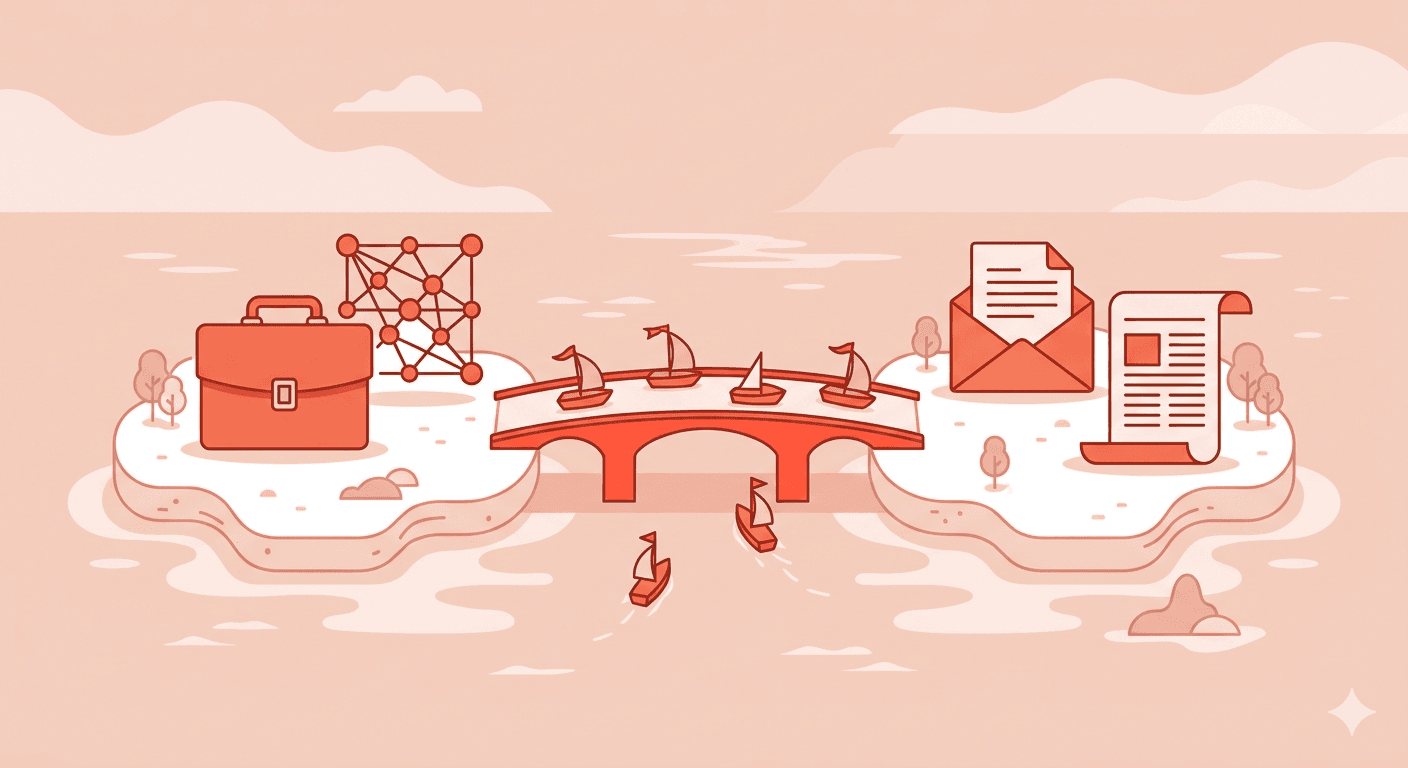
Table of Contents
Every piece of social media advice for small brands in 2026 points to the same two platforms. Post more Reels. Go viral on TikTok. Be consistent on Instagram. And while those platforms are still relevant, there's a problem nobody wants to say out loud: the game there is getting harder, more expensive, and more exhausting every single month.
Instagram organic reach for brand pages now hovers between 1% and 5% of followers. TikTok's feed is so saturated that even good content gets buried within hours. Building an audience on these platforms feels increasingly like pouring water into a leaky bucket — you work constantly just to maintain what you already have, and one algorithm update can erase months of progress overnight.
Meanwhile, two platforms are quietly becoming the most powerful opportunities for small brands in 2026 — and almost nobody in the small business space is taking them seriously yet. LinkedIn and Substack. On the surface, they seem like strange choices. LinkedIn is where people post resumes and share motivational quotes. Substack is where journalists and writers publish newsletters. Neither sounds like the obvious home for a small product brand or a local service business.
But look closer and a different picture emerges. LinkedIn is rated the most trusted social media platform globally in 2026, with over one billion members — and less than 1% of them publish content regularly. Substack has grown to 47.6 million unique monthly visitors, with open rates that make every email marketer jealous, and a subscriber relationship that no algorithm can touch. These aren't niche platforms for specialists. They are the most underutilized growth channels available to small brands right now — and the window to get in early is still open, but not for long.
Why the Major Platforms Are Getting Harder for Small Brands
Before understanding why LinkedIn and Substack matter, it's worth being honest about what's happening on the platforms most small brands currently rely on.
Instagram reach has been in steady decline for brand pages for years. The platform's shift to a recommendations-based feed — showing users content from accounts they don't follow — sounds good in theory, but in practice it means your existing followers see your content less often, and reaching new audiences requires either paid promotion or a fortunate algorithmic boost that most small brands can't reliably manufacture. Facebook organic reach, once a powerful free growth engine, has effectively collapsed for business pages. Most brand posts on Facebook now reach under 2% of their followers without paid amplification.
TikTok still offers relatively strong organic discovery, but the competition for attention has intensified enormously. Three years ago, a decent video from an unknown brand could reach hundreds of thousands of people. In 2026, the same video competes with millions of daily uploads — 34 million new TikTok videos every single day — and the platform's algorithm has become sophisticated enough that mediocre content simply doesn't surface anymore.
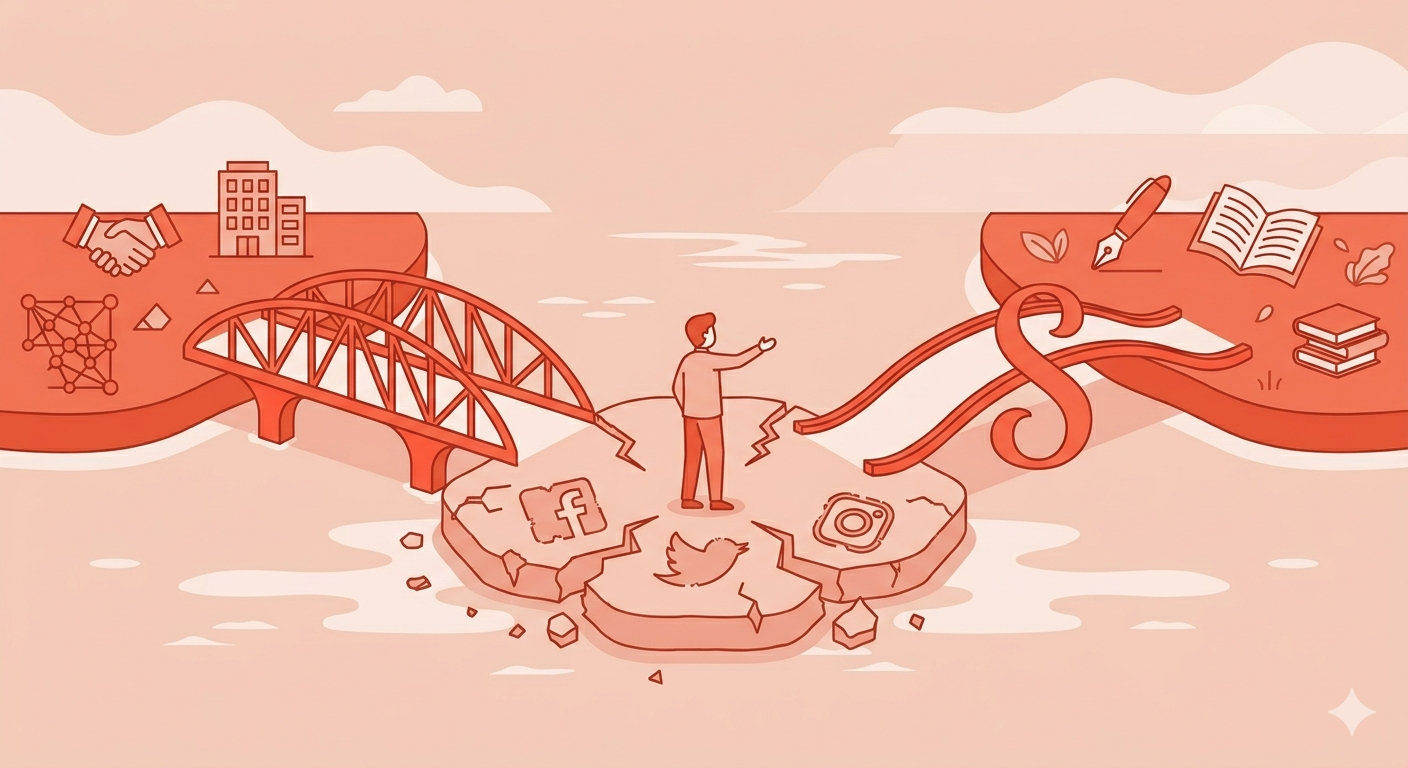
The deeper issue is structural. On every major platform, a third party — the algorithm — sits between your brand and your audience. That algorithm's primary loyalty is to the platform's engagement metrics and advertising revenue, not to your relationship with your followers. Every time these platforms tweak their algorithm, small brands lose ground. Building entirely on rented land means you're one update away from losing everything you built.
LinkedIn in 2026 — The Most Trusted Platform Nobody Is Using Correctly
LinkedIn has a reputation problem among small brands. Most people think of it as a job board with delusions of grandeur — a place for corporate announcements, humble-brag posts about promotions, and motivational quotes that feel hollow by lunchtime. That reputation is partially earned, and it's also the reason LinkedIn represents one of the biggest opportunities available to small brands in 2026.
Here's the data that matters: LinkedIn has over one billion members globally. About half of US LinkedIn users earn more than $75,000 a year — they are professionals, decision-makers, founders, and buyers with real purchasing power. The platform is rated the most trusted social media platform in multiple global studies. And despite all of this, less than 1% of LinkedIn users publish content regularly. The overwhelming majority of LinkedIn's audience is passive — they read, they watch, they scroll, and they never post. That means the content that does get published faces almost no competition compared to platforms like Instagram or TikTok.
For small brands, the practical implication is this: a consistent, valuable presence on LinkedIn builds authority and trust in a vacuum that simply doesn't exist anywhere else. You're not competing with cat videos, dance trends, or influencers promoting fast fashion. You're in a professional context where people are actively looking to learn, to make decisions, and to trust the brands and people who show up consistently.
What Actually Works on LinkedIn for Small Brands in 2026
The 2026 LinkedIn algorithm update made one shift that changes everything for small brands: personal profiles now generate eight times more engagement than company pages. The algorithm treats content from individual people as more authentic and more valuable than branded corporate posts — and it distributes that content accordingly. This means the most effective LinkedIn strategy for a small brand isn't to build a company page and post from it. It's to build a personal brand through the founder, the team lead, or whoever represents the brand's human face.
A founder who posts three times per week about their industry, their process, and their perspective builds something that a company page never can — a genuine human connection. People trust people far more than they trust logos, and LinkedIn's algorithm is explicitly designed to reflect that reality. The content that performs best on LinkedIn in 2026 is specific, opinionated, and rooted in real experience. Not generic tips. Not reposted articles. Not inspirational quotes. The posts that build audiences are the ones that share a specific lesson learned, a counterintuitive perspective, or a behind-the-scenes moment that no one else could have written.
Video content has also become significantly more powerful on LinkedIn following the platform's 2025 video feature expansion. LinkedIn video now appears in a dedicated feed similar to TikTok and Instagram Reels, and early data shows it dramatically outperforms static posts for reach and engagement. For small brands already creating video content for other platforms, repurposing that content to LinkedIn — with minimal editing — is one of the highest-ROI actions available right now.
Substack in 2026 — The Platform That Gives You Your Audience Back
If LinkedIn solves the problem of authority and trust, Substack solves a different and arguably more fundamental problem: ownership.
When you build an audience on Instagram, TikTok, or LinkedIn, that audience belongs to the platform. Your followers are really the platform's users who have opted to see your content — until the algorithm decides otherwise. If Instagram changes its algorithm, your reach drops overnight. If TikTok gets banned in your market, your entire audience disappears. You have no way to contact your followers directly, no guarantee they'll see your content, and no way to take them with you if something changes.
Substack is different at a structural level. When someone subscribes to your Substack, you get their email address. You own that relationship. You can export your subscriber list at any time and take it to any other platform. No algorithm decides whether your content reaches your audience — your newsletter goes directly to their inbox. And because your subscribers actively chose to receive your content, the engagement rates are in a completely different league than social media: Substack newsletters regularly achieve 40-80% open rates, compared to 1-5% organic reach on most social platforms.
Substack has grown from a niche tool for journalists to a full creator ecosystem with 47.6 million monthly unique visitors, live audio, podcasting, a social feed, DMs, and a growing discovery mechanism that surfaces good content to new readers organically. One New York denim brand that partnered with Substack creators for a product launch reported over 75% open rates on the campaign — with 80-90% of click-throughs originating from the newsletter. Those are numbers that paid advertising rarely achieves.
What to Actually Publish on Substack as a Small Brand
The mistake most brands make when considering Substack is thinking they need to become professional writers or publish long-form essays every week. The reality is much more accessible. The most effective Substack content for small brands falls into three categories.
Behind-the-scenes letters — informal updates about what's happening in your business, what you're building, what went wrong, and what you're learning — consistently achieve the highest open rates because they feel personal and exclusive. Your subscribers signed up to hear from you specifically, not to receive polished marketing. Give them the real story.
Educational content that draws on your brand's expertise — written in plain language, genuinely useful, not promotional — builds the kind of authority that turns subscribers into customers. A sustainable fashion brand writing about how to care for different fabrics. A specialty coffee brand writing about how different brewing methods affect flavor. A skincare brand writing about ingredients that actually work versus ones that are just marketing. This content establishes your brand as the expert in your space without ever feeling like an ad.
Product and brand updates delivered with personality — new launches, limited editions, behind-the-scenes of a product development process — work best when they feel like a letter from a friend rather than a marketing email. The tone that performs best on Substack is conversational, honest, and genuinely interested in the reader's experience.
While you build your presence on new platforms
Ready to follow along? Create your first AI video for free.
How to Use LinkedIn and Substack Together — The Strategy That Compounds
LinkedIn and Substack work best not as separate strategies but as a connected system — one feeds the other, and together they build something far more durable than either platform could achieve alone.
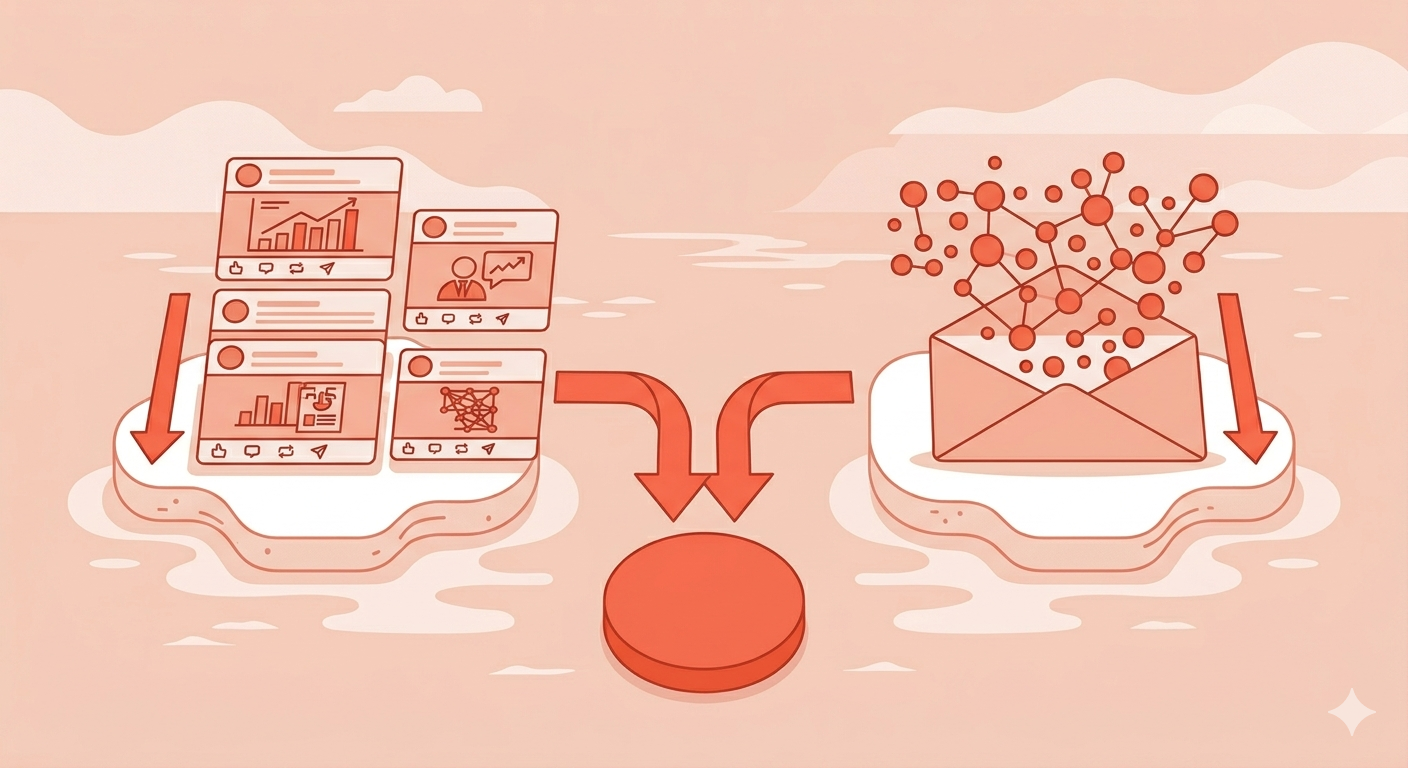
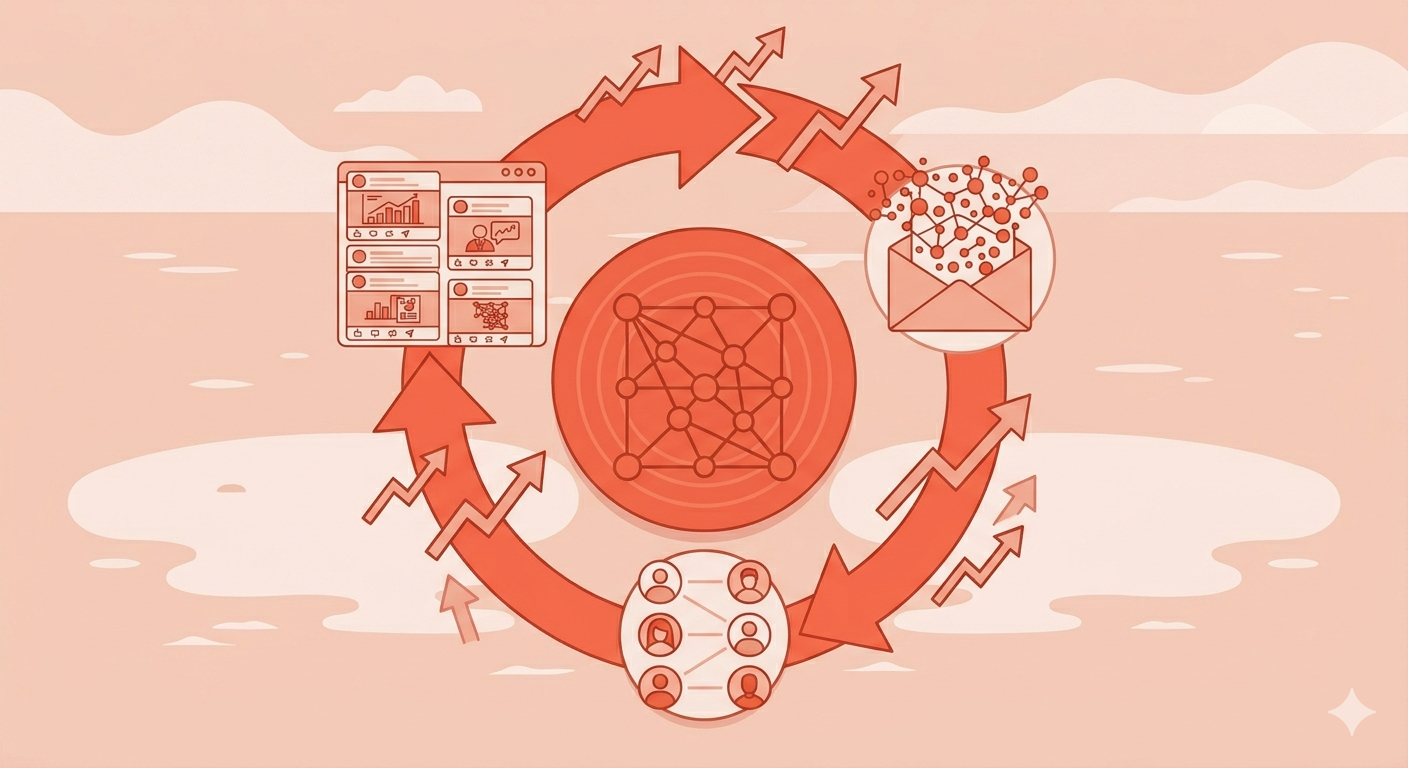
The flow works like this. You publish valuable, opinionated content on LinkedIn three times per week — personal posts, short videos, or founder perspectives on your industry. LinkedIn's algorithm distributes that content to a professional audience who wouldn't have found you otherwise. Some of those readers become interested in your brand and want more depth. You direct them to your Substack, where they can subscribe and receive your content directly — bypassing the algorithm entirely. Over time, your LinkedIn presence generates a steady stream of new Substack subscribers, and your Substack turns casual readers into deeply loyal brand advocates who actually open your emails and buy from you.
This is the core logic that makes the combination so powerful: LinkedIn provides discovery, Substack provides depth and ownership. One solves the reach problem. The other solves the retention problem. Together they create an audience-building system that doesn't depend on any single platform's algorithm for its survival.
A LinkedIn post can become a Substack note in minutes. A Substack piece can be repurposed as a LinkedIn article that drives new subscribers. The content investment compounds across both platforms simultaneously, which means the effort-to-impact ratio keeps improving the longer you maintain both.
Starting Small — What to Do in Your First 30 Days
The most common reason small brands never start on LinkedIn or Substack is that both feel like they require a significant content commitment. The reality is that you can start meaningfully on both with less than three hours per week.
For LinkedIn, commit to posting three times per week from a personal profile — not your company page. Each post should be short, specific, and end with a genuine question or an open invitation for response. Do not try to go viral. Do not write posts designed for maximum reach. Write posts that would be genuinely useful to one specific person in your target audience. That specificity is what builds a real LinkedIn audience, and it takes far less time than trying to manufacture broad appeal.
For Substack, start with one newsletter per month. Make it informal. Write it like a letter. Share what you've been building, what you've learned, or one piece of genuinely useful information for your audience. Announce it in your LinkedIn bio and mention it in your posts occasionally. Watch your subscriber list grow slowly but surely — and remember that each subscriber is worth dramatically more than a social media follower because you actually own that relationship.
The Compounding Advantage — Why Starting Now Matters
Here's the uncomfortable truth about platform timing: the best time to build on any platform is before everyone else realizes they should be there. LinkedIn and Substack are both still in that window — but it's closing.
In 2024, LinkedIn started getting noticeably more crowded as B2B brands discovered its organic reach advantage. In 2025, Substack crossed cultural awareness thresholds as major media personalities moved their audiences there. In 2026, both platforms are growing fast — but they're still nowhere near the saturation levels of Instagram or TikTok. The creators and brands that establish themselves there now, before the inevitable flood of competitors, will have the compounding advantage of audience trust, algorithm familiarity, and platform authority that early movers always build.
The brands that moved to Instagram early dominated their niches for years. The brands that moved to TikTok early built audiences at a fraction of the cost it takes today. The brands that move to LinkedIn and Substack strategically in 2026 will have the same compounding advantage — and they'll have built it on platforms that actually let them own their audience rather than renting access to it indefinitely.
The algorithm will always be someone else's. Your subscriber list is always yours. That's the most important platform decision a small brand can make in 2026.
SnapReel AI keeps your core social channels running on autopilot — so you have the time and mental bandwidth to build the LinkedIn presence and Substack audience that will actually compound for your brand long-term.