How to Work With Micro-Influencers as a Small Brand — The Zero-Budget Collaboration Strategy for 2026
SnapReel
May 9, 2026 · 18 min read
Table of Contents
The Influencer Marketing Myth That Is Costing Small Brands Growth
When most small brand owners hear "influencer marketing," they picture a celebrity with five million followers posting about a product for a $50,000 fee. They decide immediately that influencer marketing is not for them — too expensive, too complicated, too far out of reach for a brand that is still figuring out how to pay for its next inventory run.
This assumption is one of the most expensive mistakes a small brand can make in 2026. Not because celebrity influencer marketing is secretly affordable — it is not. But because the assumption misses an entirely different category of creator partnership that is not only within reach for small brands but consistently outperforms celebrity campaigns on every metric that actually matters.
Micro-influencers — creators with between 10,000 and 100,000 followers — deliver 60% higher engagement rates than macro-influencers at roughly one tenth of the cost. Their audiences are niche, highly engaged, and genuinely trust their recommendations in a way that celebrity audiences simply do not. And the most effective way to work with them as a small brand does not require a budget at all — it requires a product worth talking about, a compelling outreach approach, and a collaboration structure that creates real value for the creator.
This guide explains exactly how to build a micro-influencer program from zero — finding the right creators, approaching them correctly, structuring partnerships that work without upfront payment, and turning a handful of creator relationships into a consistent, scalable content and sales engine.

Why Micro-Influencers Outperform Big Names for Small Brands
The counterintuitive truth about influencer marketing in 2026 is that reach and impact are not the same thing — and for most small brands, impact is what drives revenue.
A macro-influencer with one million followers has built their audience through a combination of entertainment value, celebrity appeal, and broad content that resonates across a wide demographic. Their audience follows them for the content experience — the humor, the lifestyle, the personality. When that influencer promotes a product, a fraction of their audience pays attention, a smaller fraction trusts the recommendation, and an even smaller fraction actually purchases. The conversion funnel from a celebrity post to a sale is long, leaky, and increasingly distrusted by audiences who have developed sophisticated radar for paid promotions.
A micro-influencer with 25,000 followers has built their audience through genuine expertise, niche relevance, and consistent engagement with a specific community. Their followers are there specifically because they trust this person's taste, recommendations, and knowledge in a particular area — whether that is sustainable fashion, home organization, fitness nutrition, small business strategy, or any of thousands of other niches. When that micro-influencer recommends a product, their audience listens with a level of credibility that no celebrity can manufacture.
The data confirms this consistently. Micro-influencer campaigns deliver an average ROI of $5.20 for every dollar spent — compared to $2.25 for macro-influencers. Their engagement rates average 3.5 times higher. And the trust their audiences have in their recommendations translates directly into purchasing behavior in a way that passive celebrity exposure simply does not.
For small brands, there is an additional advantage beyond performance metrics. Micro-influencers are accessible. They respond to direct outreach. They are interested in brand partnerships that do not require agency intermediaries and six-week negotiation cycles. And many of them — particularly in the earlier stages of their growth — will collaborate in exchange for products rather than payment, creating a zero-upfront-cost entry point into influencer marketing that is available to any brand regardless of budget.
Finding the Right Micro-Influencers — The Research Framework
The most common mistake brands make when starting a micro-influencer program is reaching out to the wrong creators. A technically perfect pitch sent to a creator whose audience does not match your product is wasted effort for everyone involved. Finding the right creators before outreach is the highest-leverage step in the entire process.
Define Your Ideal Creator Profile First
Before searching for creators, define exactly what you are looking for. The right micro-influencer for your brand has three characteristics that must all be present simultaneously.
Audience match. Their followers are the same people who would buy your product. Not generally similar — specifically the same. If you sell a cold brew coffee product targeting people who work from home, you are looking for creators whose content attracts work-from-home professionals or remote workers — not just anyone who drinks coffee.
Content style alignment. Their content aesthetic, tone, and production style should feel compatible with your brand. A creator whose feed is dark and moody and minimalist is not the right partner for a brand whose identity is bright, playful, and colorful — even if their audience demographics match perfectly.
Authentic engagement. Their comments section should contain real conversations, specific responses to the content, and genuine community interaction — not generic emoji comments and bot-like "great post!" responses. Engagement quality is more important than engagement quantity.
Where to Find Micro-Influencers Without a Platform
You do not need an expensive influencer discovery platform to find the right creators for your brand. Here are four methods that work for any budget.
Search your own product hashtags. Go to Instagram and TikTok and search the hashtags most relevant to your product category. Sort by recent content rather than top content. The creators posting in these hashtags — with engagement rates that suggest genuine community interaction — are already creating content for your target audience. They are the most naturally aligned potential partners you can find.
Look at who is already following you. Your existing followers often include small creators who already know and like your brand. A follower with 15,000 engaged followers who already buys your product is the most qualified micro-influencer candidate you will ever find — they need zero convincing about the product quality because they have already experienced it.
Search competitor product mentions. Search your competitors' product names on TikTok and Instagram. Creators who have already made content about products in your category — and done it well — are proven content producers for your niche. If their audience responded positively to a competitor's product, they are strong candidates for a partnership around yours.
Use TikTok's Creator Marketplace. TikTok's native creator marketplace allows brands to search for creators by niche, audience demographics, engagement rate, and follower count — for free. This is the most efficient discovery tool available for TikTok-focused micro-influencer programs and requires no third-party platform subscription.
Vetting Before You Reach Out
Once you have identified potential creators, spend five minutes vetting each one before making contact. The vetting checklist is simple.
Check the engagement rate. Calculate total engagements divided by followers on their last ten posts. Anything above 3% is healthy for an account in the 10,000 to 100,000 range. Below 1% suggests an audience that is not genuinely engaged — possibly inflated by past follow-unfollow tactics or purchased followers.
Read the comments. Not just the count — the content. Are people asking genuine questions, sharing personal experiences, tagging friends who would relate? Or are comments generic and repetitive? Real community engagement looks specific and conversational.
Check their posting consistency. A creator who posts regularly and maintains consistent quality is a reliable content partner. A creator who posts in bursts and goes silent for weeks is less predictable.
Review their past brand collaborations. Have they worked with brands before? If so, how did the audience respond? Creators who have successfully integrated brand content without losing audience trust are significantly more valuable than creators who have never done it before.
The Zero-Budget Collaboration Models
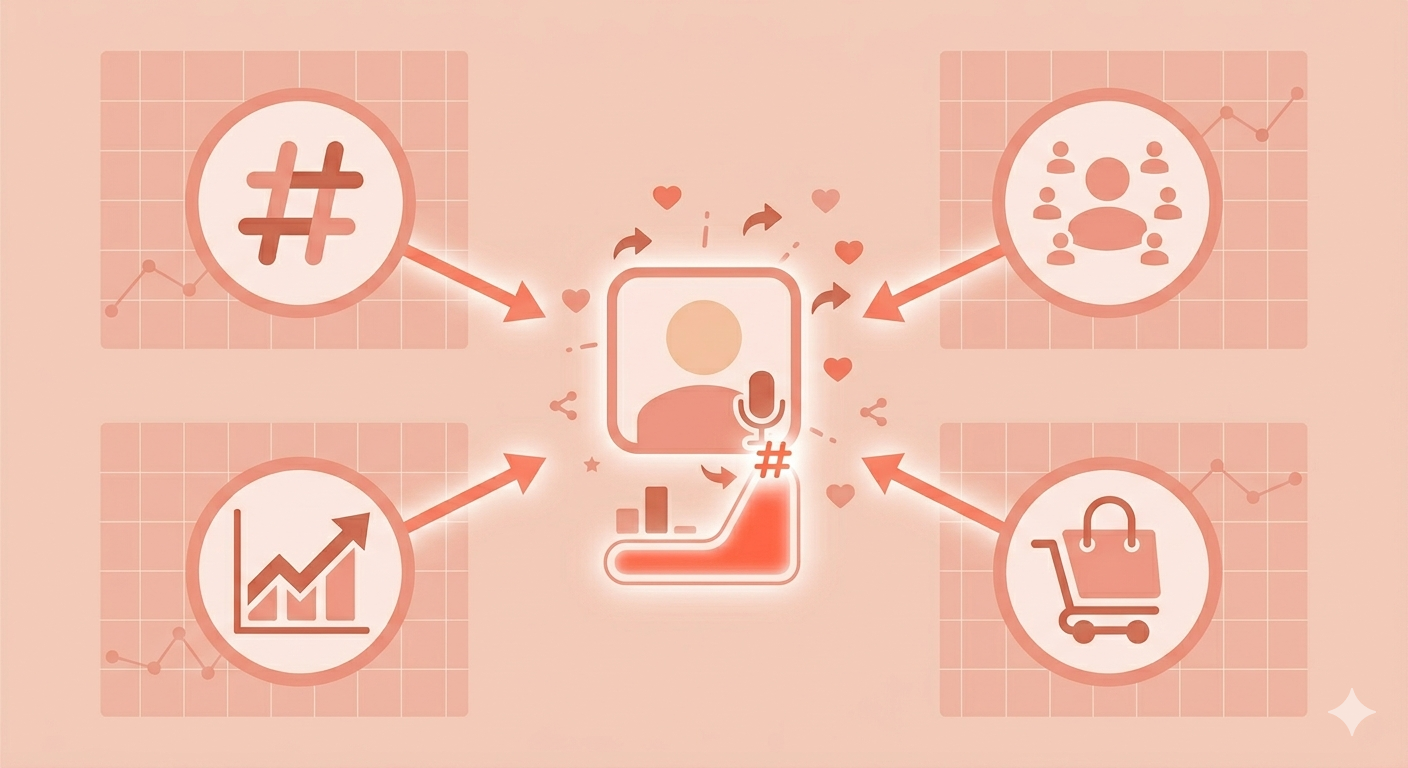
There are three collaboration structures that work for small brands without upfront payment. Each one offers something valuable to the creator in exchange for content — and the right model depends on where the creator is in their growth journey and what they value most.
Model 1 — Product Gifting
Product gifting is the simplest collaboration model. You send the creator your product at no charge in exchange for the opportunity — not the guarantee — of honest content creation. The creator receives something genuinely useful. You receive authentic content from someone who actually experienced the product. Neither party has a financial transaction.
The key word in product gifting is honest. You are not paying for a positive review. You are giving a creator the opportunity to experience your product and share their genuine response with their audience. If their response is positive, the content they create will be significantly more persuasive than any sponsored post because it is driven by genuine enthusiasm.
This model works best with creators in earlier growth stages — typically 10,000 to 30,000 followers — who are building their content library and welcome the opportunity to feature interesting products without the pressure of a paid partnership obligation. It also works well when your product is genuinely excellent, visually interesting, and worth talking about — because the creator's willingness to make content depends entirely on whether the product gives them something interesting to say.
Product gifting does not guarantee content. Some creators will receive your product and not post about it — either because the product did not resonate with them or because they received multiple gifts and yours was not the most compelling. This is normal. Budget your gifting program accordingly — expect content from roughly 50 to 70 percent of the creators you gift, and factor that into your per-piece cost calculation.
Model 2 — Affiliate Commission
The affiliate model is the most scalable zero-upfront-cost collaboration structure for small brands. Instead of paying creators a flat fee for content, you give each creator a unique discount code or trackable affiliate link that earns them a commission on every sale they drive.
The creator has a financial incentive to make the most compelling content possible — because their earnings are directly tied to how many sales their content drives. You pay nothing until a sale occurs — making your marketing cost a direct function of revenue generated. And the performance data is completely transparent — you can see exactly how much revenue each creator is driving and invest more in the relationships that are working.
OLIPOP built its entire creator program on product samples and a performance commission model — and that program now drives 12 percent of total sales at a 982 percent ROI. This is not an outlier. The affiliate model consistently produces some of the highest-ROI creator partnerships in consumer brand marketing because the incentive structures align perfectly — creators who are genuine fans of the product make compelling content, that content drives sales, and the commission rewards them directly for their impact.
Set your commission rate based on your product margins — typically 10 to 20 percent is the range that motivates creators while protecting your profitability. Provide creators with a unique code that also gives their audience a discount — this increases conversion rate because it creates purchase incentive for the viewer while also making tracking clean and transparent for you.
Model 3 — Content Licensing Exchange
The content licensing model works well for brands that need content assets for their own channels — paid ads, product pages, email campaigns — and are willing to offer something beyond the product in exchange.
In this model, you gift the creator your product and in exchange request the right to license the content they create for your own marketing purposes. The creator gets the product plus the professional experience of having their content featured in a brand's marketing — which they can reference in future partnership pitches. You get authentic creator content that performs significantly better than studio-produced content in paid advertising because audiences respond to real people with genuine reactions.
This model is particularly valuable for paid social advertising. Creator-origin ads — ads that appear to come from the creator's handle rather than the brand's — consistently outperform brand-origin ads on click-through rate and cost-per-click because audiences perceive them as authentic content rather than advertising. If you are running paid social campaigns, building a library of licensed creator content through this exchange model can dramatically improve your ad performance at a fraction of the cost of producing equivalent studio content.
Writing the Perfect Outreach Message
The outreach message is where most brand micro-influencer programs fail. Creators receive dozens of generic partnership requests every week. Messages that read like a template — "Hi [name], I love your content! We'd love to work with you!" — are ignored immediately.
The outreach message that gets a response has three characteristics that differentiate it from the noise.
It is specific. Reference a particular piece of content the creator made — a specific video, a specific topic, a specific moment that your team genuinely noticed and appreciated. Specific reference is the clearest signal that you actually watched their content rather than mass-messaging a list of handles.
It is honest about what you are offering. Do not bury the offer. State clearly what you are proposing — "We would love to send you our [product] to try. If you love it, we would be grateful for an honest post. If it is not a good fit for your audience, no pressure at all." Honesty about the no-pressure nature of a gifting collaboration dramatically increases response rate because creators are tired of brands that guilt them into posting about products they do not like.
It is brief. Four to six sentences maximum. Creators are busy. A long, enthusiastic outreach message reads as desperation. A concise, confident, specific message reads as a brand that knows what it wants and respects the creator's time.
Here is a template that works — not to copy word for word but to understand the structure.
"Hi [Name] — your recent video on [specific topic] was genuinely useful. I am the founder of [brand name], and we make [product] for [specific audience]. I think your audience would find it interesting. Would you be open to us sending you a sample to try? No post required — we just love getting our product in the hands of people who might genuinely appreciate it. Let me know and I will get one shipped to you."
That is it. No follower count requirement, no content brief, no contract. Just a genuine offer from a real person who actually watched their content.
Keep your own channels just as active as your creator partners — SnapReel posts daily branded content automatically.
Ready to follow along? Create your first AI video for free.
Building Long-Term Creator Relationships
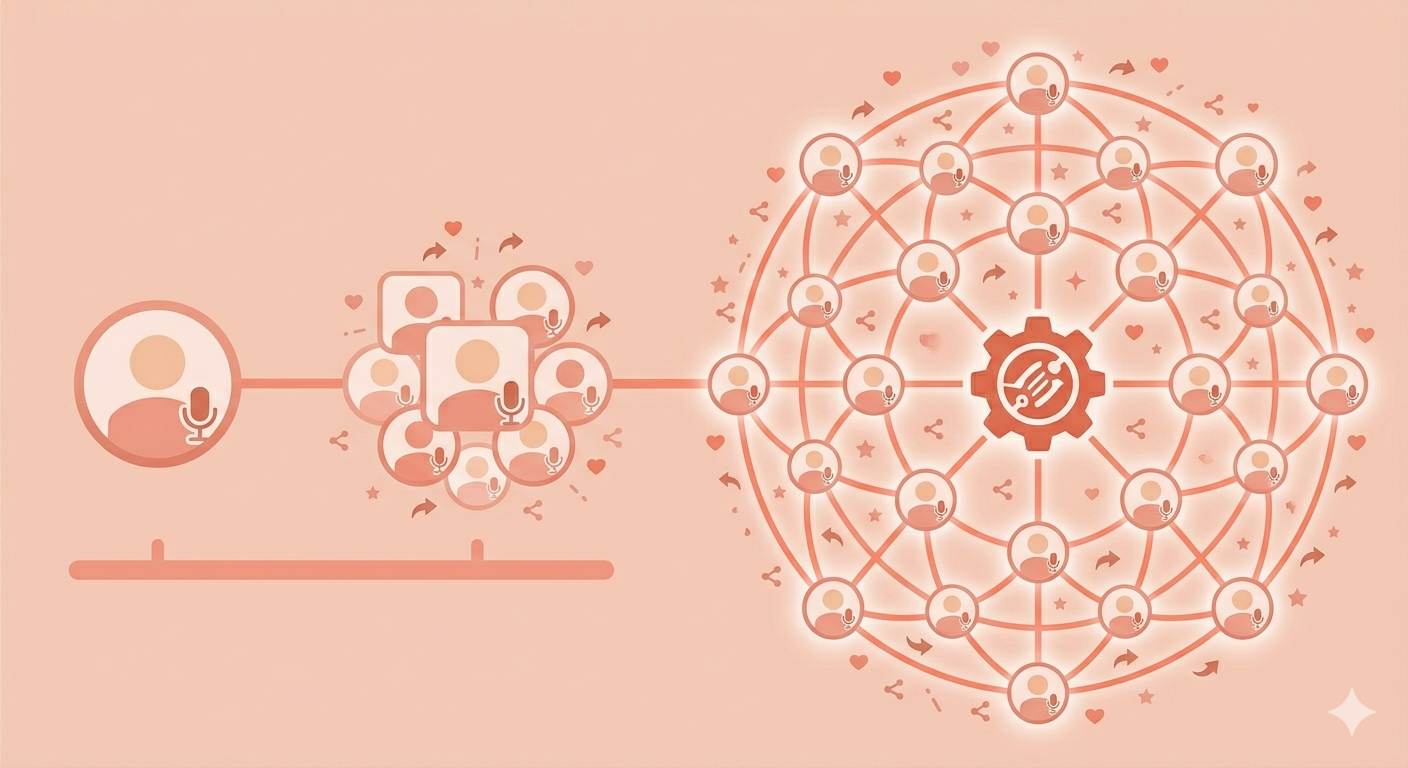
One-off collaborations produce spikes in visibility. Long-term creator partnerships build compounding trust. The brands winning at micro-influencer marketing in 2026 are not running campaigns — they are building rosters of ongoing creator relationships where the same creators feature the brand repeatedly over months and years.
This repetition is what drives the deepest audience trust. When a creator that their audience has followed for two years mentions your product for the fifth time — not because they were paid to but because they genuinely use it — the credibility of that mention is immeasurable. It has the persuasive weight of a trusted friend's repeated recommendation, which no single sponsored post can replicate.
Building long-term relationships means treating creators as genuine partners rather than content production vendors. Send them new products before they launch publicly. Ask for their feedback on upcoming releases. Feature their content on your brand channels. Upgrade their commission rate when they consistently drive strong results. Invite them to any brand events or moments that would be genuinely exciting for them.
The creators who become genuine brand advocates — who talk about your product because they actually love it and feel valued by the relationship — are your most powerful marketing asset. They are not replaceable by a larger influencer with a higher follower count. They are the specific voices in specific communities that trust them — and that trust took years to build and cannot be purchased at any price.
Measuring Your Micro-Influencer Program
Unlike traditional advertising where you measure impressions and hope for conversions, micro-influencer marketing — done correctly — is highly measurable. Here are the metrics that matter.
Content generated per creator. How many posts has each creator made about your brand? This measures relationship depth and content velocity — both of which compound over time.
Engagement rate on branded content. Compare the engagement rate on your creator's posts featuring your brand against their average engagement rate. If branded content performs comparably or better than their organic content, the integration feels authentic. If it significantly underperforms, the collaboration is likely not resonating with their audience.
Sales per creator. If you are using affiliate codes or trackable links, measure revenue generated per creator monthly. This is the clearest ROI metric in the program and tells you where to invest more resources — both more product and potentially transitioning high performers from gifting to paid partnership.
Content asset value. If you are licensing creator content for your own paid advertising, calculate the production cost equivalent of the assets you have received. High-quality creator content typically costs $2,000 to $10,000 per piece to produce in a studio setting — tracking this accumulated value demonstrates the ROI of the gifting program beyond direct sales.
New audience reach. Track follower growth spikes that correlate with creator posts. Each new follower acquired through a creator partnership is an audience member who arrived with social proof already established — they came because someone they trust recommended you, which makes them significantly more likely to convert than a cold audience member.
Scaling Your Micro-Influencer Program With AI
Once your micro-influencer program is producing results with five to ten creators, the natural next question is how to scale it — more creators, more content, more reach — without proportionally increasing the time and manual effort required to manage relationships.
AI tools in 2026 handle several of the most time-consuming aspects of micro-influencer program management. Creator discovery tools use AI to identify creators whose audience demographics, engagement patterns, and content themes match your ideal partner profile — surfacing candidates in minutes that would take hours to find manually.
Outreach sequencing tools automate the follow-up process — tracking which creators have been contacted, which have responded, which need a second message, and which have not replied and should be moved off the list. This removes the manual tracking burden that causes most small brand influencer programs to stall after the first wave of outreach.
Performance tracking tools aggregate affiliate data, content metrics, and audience growth data across all creators in your program automatically — giving you a unified view of program performance without manually pulling data from six different platform analytics dashboards.
The combination of relationship depth — which requires genuine human attention and authentic brand involvement — with AI-powered operational efficiency is what allows a one-person brand to run an influencer program at a scale that used to require a dedicated marketing team.
Getting Started This Week
The barrier to starting a micro-influencer program is lower than any other marketing channel available to small brands in 2026. You need three things.
A product worth talking about. This is the non-negotiable foundation. No collaboration strategy can compensate for a product that creators do not find genuinely interesting or useful. If your product is excellent, authentic creator content about it will be compelling. If it is not, gifting it to creators will produce awkward, half-hearted content that neither party is proud of.
A list of ten potential creators. Spend two hours on TikTok and Instagram this week searching your product category hashtags and identifying ten creators whose audience and content style align with your brand. Vet each one using the checklist above. This is your starter outreach list.
Ten outreach messages. Write ten personalized, specific, honest outreach messages — one per creator — using the structure above. Send them this week. Expect four to seven responses. Expect two to four genuine partnerships to emerge from those responses.
That is the entire startup cost of your micro-influencer program. Two hours of research, two hours of writing, and the cost of ten product samples.
The brands that build this program in 2026 and run it consistently for six months will have a creator ecosystem that drives more authentic content, more genuine audience trust, and more cost-efficient customer acquisition than any paid advertising channel available to them.
Final Thoughts
Influencer marketing is not a big-brand strategy. It is a trust-building strategy — and the version that works best for small brands costs almost nothing upfront while delivering some of the highest ROI available in digital marketing.
The micro-influencers in your product category are not waiting for a budget. They are waiting for a genuine product they can honestly recommend to an audience that trusts them. Your job is to get that product in their hands, treat them as genuine partners rather than content vendors, and build the kind of long-term creator relationships that compound in value every month they continue.
Start with ten creators. Send ten messages this week. Build from there.
SnapReel AI generates the branded content your micro-influencer program needs — product videos, social proof compilations, and creator collaboration assets — automatically, so every partnership produces content that performs across every platform your brand is on.