How to Build a Private Community Around Your Small Brand — The 2026 Guide to Turning Followers Into Superfans
SnapReel
May 20, 2026 · 15 min read
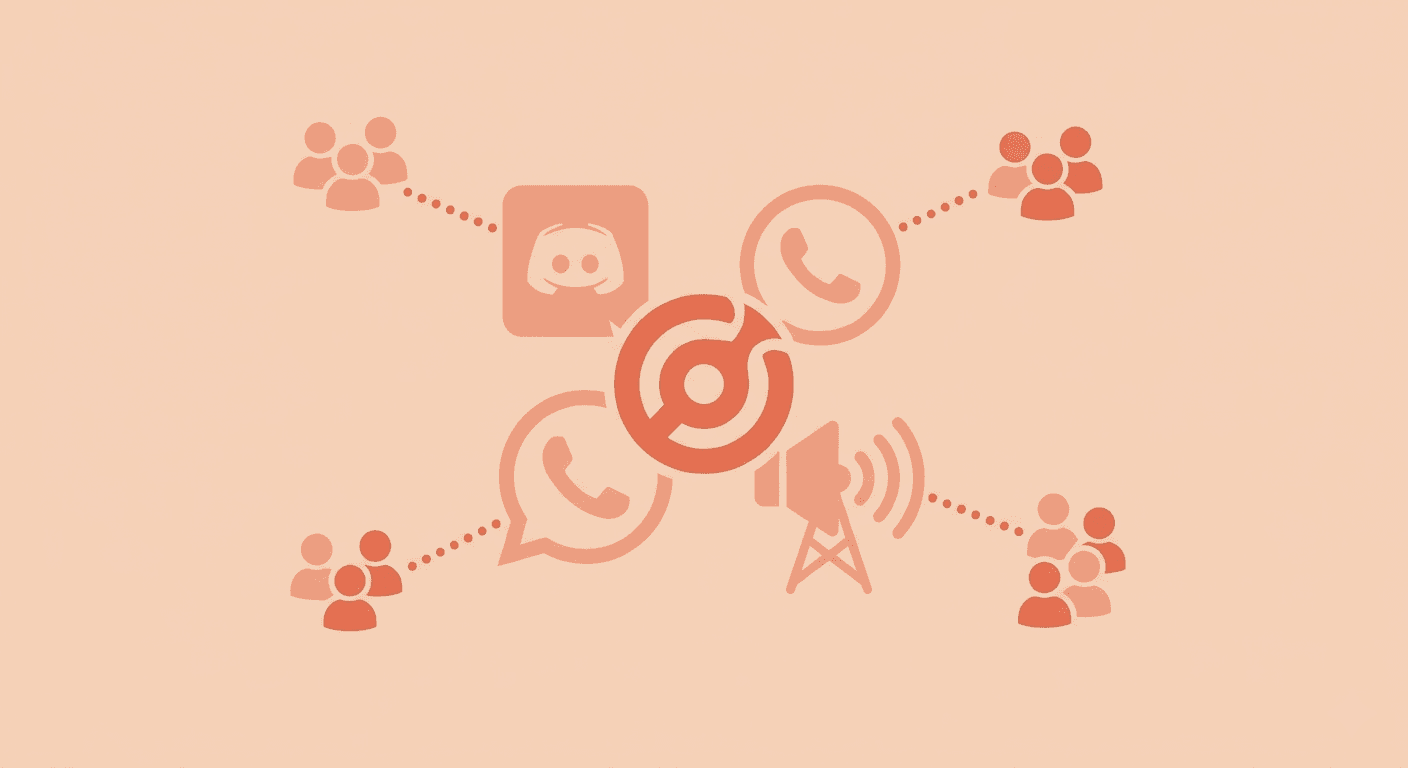
Table of Contents
There are two types of people who follow a brand on social media.
The first type scrolls past your content occasionally, likes something when the algorithm shows it to them, and might buy once if the timing and price are right. They are followers in the most literal sense — passive, distant, and easy to lose to a competitor with a better offer or a catchier ad.
The second type is different. They open your content first. They message you when they have a question instead of going to Google. They tag friends when your products drop. They post unprompted about their experience with your brand. They come back. They refer. They stay. These are your superfans — and in 2026, the brands building the most durable businesses are the ones investing in turning the first type into the second.
The mechanism for that transformation is a private community.
Feeds are noisy, but communities are sticky. Community channels let brands deliver exclusive updates, rewards, and behind-the-scenes looks. They build loyalty, retention, and lifetime value in ways ads simply cannot. In 2026, community channels are the difference between casual followers and brand superfans. Mean CEO's BLOG
People are tired of the noise and toxicity of public comment sections and are retreating to private groups. The real influence in 2026 happens in private — and brands must earn their way into these spaces through pure value. HubSpot
This guide covers exactly how small brands build private communities that followers actually want to join, stay in, and engage with — across Discord, WhatsApp, and Instagram Broadcast Channels — and how to turn that community into a measurable business asset.
Why Private Communities Outperform Public Social Media for Brand Loyalty
The public social media feed is optimized for discovery. It is designed to surface content to people who do not yet follow you, to expand your reach, and to generate the engagement signals the algorithm uses to determine who sees what next. These are genuinely valuable functions for brand growth.
But discovery and loyalty are different problems — and the public feed is poorly designed for loyalty. When someone follows your brand on Instagram, your content competes with every other account they follow, every ad the platform serves them, and every piece of content the algorithm decides to prioritize on a given day. Your post might reach thirty percent of your followers. It might reach five percent. The follower relationship is mediated entirely by an algorithm you do not control.
A private community removes the algorithm entirely. When you post in your Discord server, every member who opens Discord sees it. When you send a WhatsApp Channel update, it arrives in the follower's message inbox alongside their personal conversations. When you publish to your Instagram Broadcast Channel, subscribers receive a notification. The communication is direct, consistent, and unfiltered by reach throttling.
The behavioral difference this creates is significant. Community members who receive your updates directly and participate in a space designed around your brand develop a relationship depth that public followers rarely reach. They feel known. They feel included. They feel like insiders rather than audience members. And that feeling — of being part of something rather than simply following something — is what turns a one-time buyer into a repeat customer, and a repeat customer into a genuine advocate.
WhatsApp alone now has over 2.5 billion users globally, and features like Channels are giving brands new ways to reach followers directly. Private communities are where real loyalty forms — instead of chasing likes on crowded feeds, brands can nurture smaller, more engaged groups. Mean CEO's BLOG
Choosing Your Platform — Which Private Community Space Is Right for Your Brand
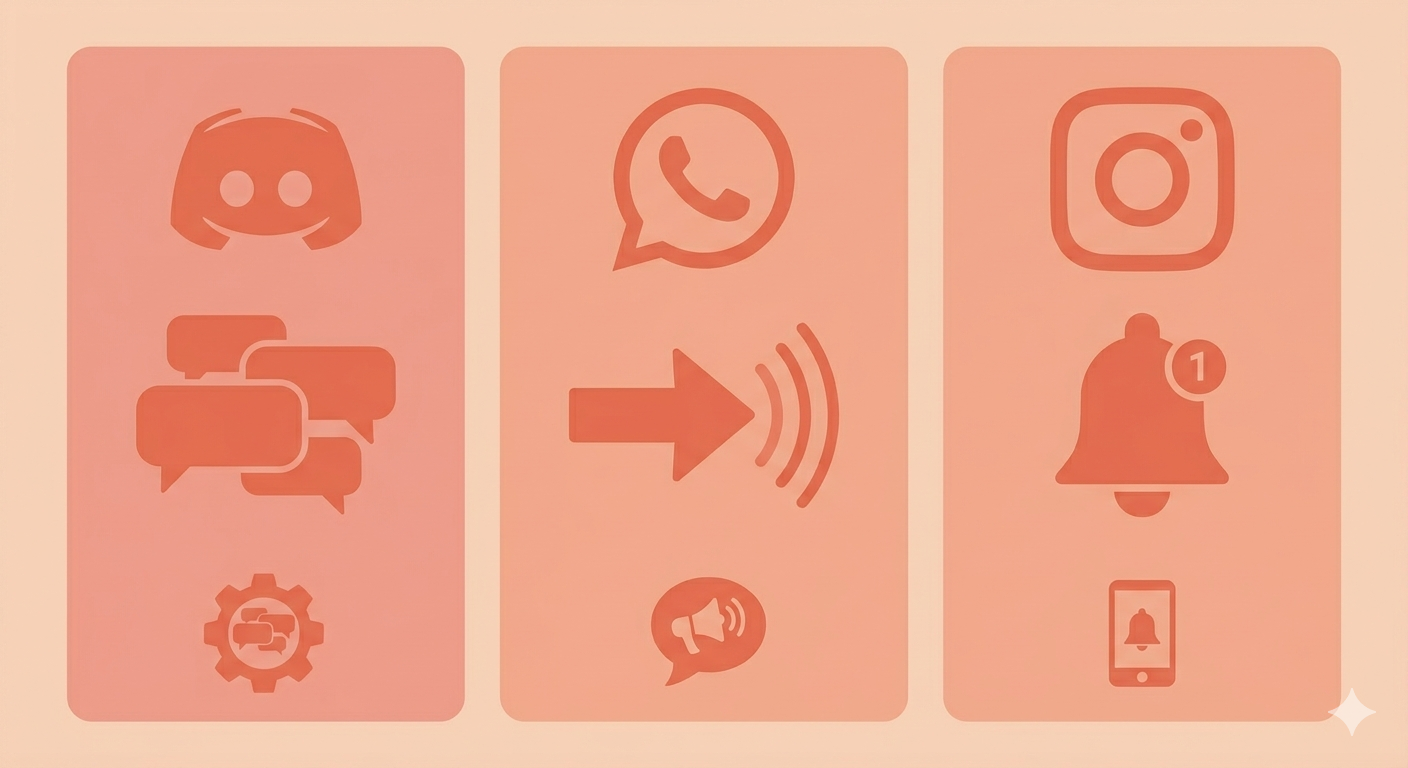
The three platforms doing the most meaningful work for small brand communities in 2026 are Discord, WhatsApp Channels, and Instagram Broadcast Channels. Each has a different character, a different audience expectation, and a different practical use case. The right choice depends on where your audience already spends time and what kind of community experience you want to create.
Discord — The Conversation Community
Most social platforms are built for broadcasting to an audience. Discord is built for conversation between members. That structural difference produces higher engagement rates and longer time-on-platform than feed-based networks. Discord's channel structure allows you to organize your community into distinct spaces — a general conversation area, a product feedback channel, an announcements section, an exclusive content area, and topic-specific spaces relevant to your brand's category. Shopify
Discord is no longer just for gaming communities. In 2026, it is a powerful platform for membership, education, support, and brand affinity. The fastest-growing non-gaming servers cover personal finance, entrepreneurship, fitness, beauty, and brand fan communities. For small brands whose audience is engaged and conversational — who have opinions, ask questions, and want to connect with other customers — Discord creates a depth of community that no other platform matches. Inkbot Design
Discord works best for brands with a naturally passionate audience — where customers genuinely want to talk to each other, not just receive updates from the brand. A fitness supplement brand, a sustainable fashion label, a specialty food brand, a skincare line with a strong philosophy — these communities tend to generate the organic member-to-member conversations that make Discord servers feel alive and worth returning to.
WhatsApp Channel — The Direct Update Line
WhatsApp Channels function as a one-way broadcast from brand to followers, delivered directly into the WhatsApp messaging interface. There is no member-to-member conversation — it is a direct line from you to your audience, sitting alongside their personal conversations in the most personal digital space most people have.
The advantage is intimacy and open rate. WhatsApp messages are opened at dramatically higher rates than email, higher than any social media notification, and higher than any other digital communication channel. A WhatsApp Channel update reaches your subscribers where they already are, in a context they associate with communication from people they trust.
WhatsApp Channels work best for brands whose audience skews slightly older, who want a simple and low-maintenance community presence, or who primarily want to share updates, drops, exclusive offers, and behind-the-scenes content without managing a full conversation-based community. The format is closer to a VIP newsletter than a community forum.
Instagram Broadcast Channel — The Platform-Native VIP Space
Instagram Broadcast Channels live inside the Instagram app and are accessible directly from your profile. Followers opt in by tapping a subscribe button, and subscribed followers receive notifications for every update you publish. The format supports text, photos, videos, polls, and voice messages — making it one of the most versatile direct communication tools available within Instagram itself.
The primary advantage of Instagram Broadcast Channels is friction reduction. Your audience is already on Instagram. They do not need to download a new app, create a new account, or move to an unfamiliar platform. The subscribe action takes one tap. For small brands whose audience is already active Instagram followers, the Broadcast Channel is the easiest entry point into private community building — and the one with the lowest barrier to initial adoption.
Keep your community engaged with daily branded content that posts itself.
Create AI-powered videos and auto-post to all your platforms.
What to Put In Your Community — The Value That Keeps Members Coming Back
The most common reason private brand communities fail is not a lack of members at launch. It is a lack of ongoing value that gives members a reason to return. A community that is primarily promotional — drops, discounts, announcements — quickly feels like a marketing channel, and members stop opening it.
The communities that retain members and build genuine superfans are built around a clear and consistent value proposition that benefits the member, not just the brand. Here is what that looks like in practice.
Exclusive Early Access Give community members first access to new products, limited releases, and restocks before they are announced publicly. This is the single most powerful loyalty mechanism available to a small brand — it makes community membership feel genuinely valuable and creates the insider status that turns members into advocates. When a community member tells a friend about a product they got early access to through the brand's private channel, that word-of-mouth recommendation carries more weight than any ad.
Behind-the-Scenes Content Share content in your community that you do not post publicly — the factory visit, the failed product prototype, the difficult decision you made last week, the story behind a specific ingredient or material. This type of content creates the sense of intimacy and trust that public posts rarely achieve. Members feel like they know the brand from the inside, not just the outside.
Direct Access to the Founder or Team Exclusive access and direct support are among the strongest reasons members join and stay in brand communities. When community members can ask the founder a question directly — and get a genuine, personal response — the relationship that creates is qualitatively different from any amount of brand content. Even occasional direct interaction from the founder carries enormous weight in building the sense that this community is different from simply following an account. Wearetenet
Member Recognition and Rewards Recognize active members publicly within the community. Feature customer stories and user-generated content. Create a simple loyalty structure that rewards consistent engagement — early access tiers, exclusive discount codes for active members, or simple acknowledgment of members who have been part of the community longest. Recognition is one of the most powerful and lowest-cost community retention tools available.
Exclusive Educational Content If your brand is in a category where expertise matters — skincare, nutrition, fitness, sustainable living, specialty food — share genuinely useful educational content in your community that goes deeper than what you post publicly. A community member who learns something meaningful from your brand develops a trust and authority association that no promotional content can build.
Setting Up Your Community — The First Thirty Days
The launch period determines whether a private community develops momentum or stalls before it finds its rhythm. Here is the practical setup sequence for small brands launching their first private community.
Before Launch — Define Your Community Promise
A community without a clear promise quickly becomes noisy, inactive, or dependent on constant promotions. Before creating channels or sending invitations, define what members should gain from joining and why they should stay. A simple positioning statement helps: this community helps [audience] achieve [outcome] through [format and value]. Bettermockups
For a small skincare brand, that might be: this community gives our customers early access to new products, honest ingredient education, and direct access to our formulation team. For a small food brand: this community gives our customers behind-the-scenes access to how we source and make our products, exclusive recipes, and first access to limited seasonal releases. The clearer and more specific the promise, the easier every subsequent decision becomes.
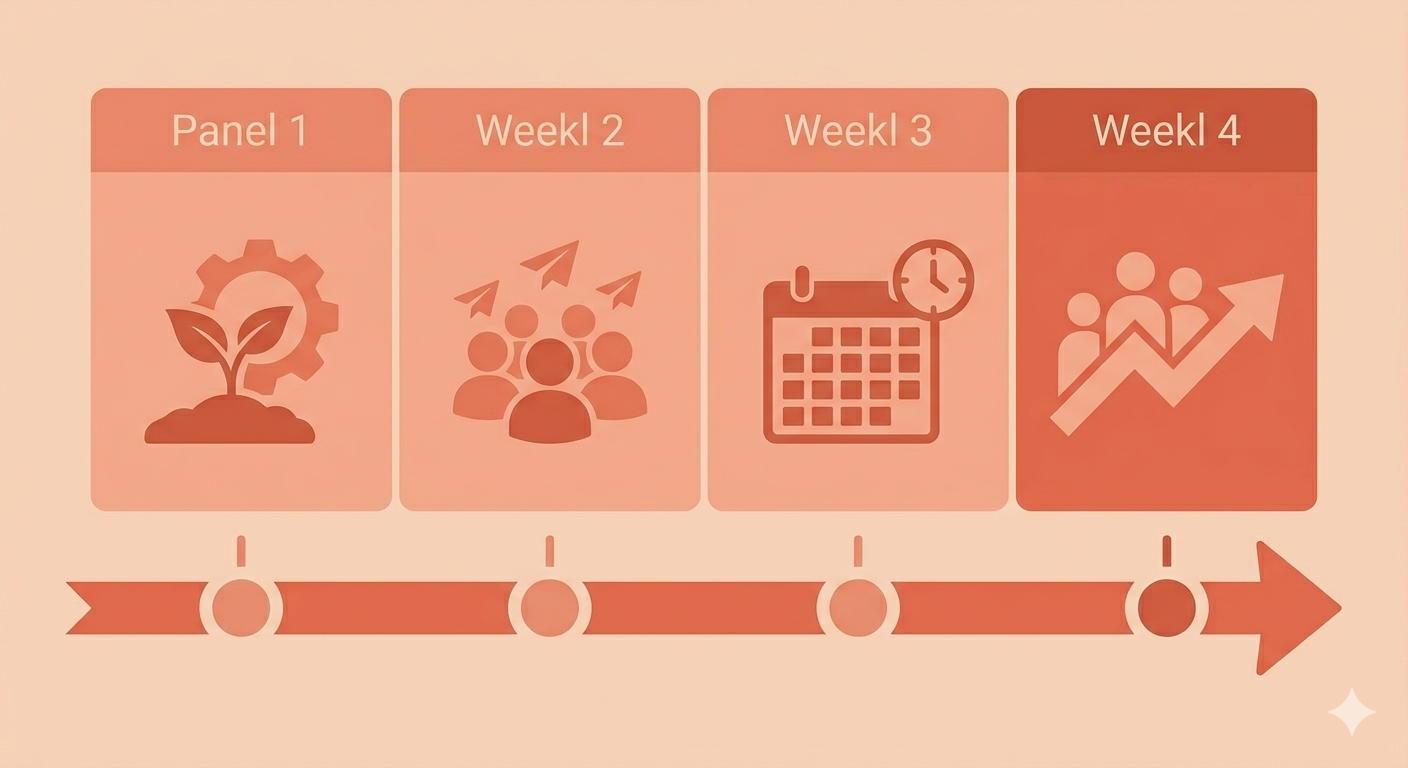
Week One — Set Up and Seed
Keep the initial structure lean. For most brands, six to ten well-defined channels are enough to launch. Add more only when clear usage patterns justify expansion. Too many channels split conversation and make onboarding harder. TrueFuture Media
Before inviting anyone, seed the community with five to ten pieces of content — an introductory post from the founder, a behind-the-scenes piece, an exclusive early product reveal, and two or three educational posts. A community that looks active when new members arrive converts joiners into participants far more effectively than an empty channel.
Week Two — Invite Your Core
Start with your most engaged existing audience — email subscribers who open consistently, repeat customers, customers who have left reviews or sent positive messages, social media followers who comment regularly. These people already have a relationship with the brand. They are the most likely to join and the most likely to generate the initial activity that makes the community feel worthwhile to subsequent members.
Invite superfans using special links, adding the channel to your stories, or sharing messages to your story — this provides easy access for followers to join. A personal invitation from the founder in the first week — acknowledging why this specific person is being invited — dramatically increases the conversion rate from invitation to join. Shortformnation
Week Three and Four — Establish the Rhythm
Post in the community at least three times per week during the launch period. Respond to every member comment personally. Ask questions that invite responses rather than only broadcasting updates. The early community rhythm you establish sets the expectation for ongoing engagement. A community that has active, personal interaction from the brand in its first four weeks develops participation habits that persist.
Keeping the Community Alive — The Ongoing Content Cadence
The launch energy of a new community is easy to maintain for the first few weeks. The harder challenge is sustaining engagement and value at a cadence that keeps members returning without requiring the brand to produce daily bespoke community content on top of everything else.
The content cadence that works for small brand communities without overwhelming the team is built around four recurring content types published on a predictable schedule.
Weekly Updates — A brief behind-the-scenes look at what happened in the brand this week. New product developments, interesting customer feedback, upcoming events, or honest reflections from the founder. This runs every week without exception and takes fifteen to twenty minutes to write.
Monthly Exclusive Drop — Something members receive before the public — a product preview, a first-access purchase opportunity, a limited bundle available only to community members. This is the anchor value that justifies membership and gives members a practical reason to stay subscribed even in weeks when other content is lighter.
Biweekly Educational Content — A genuinely useful piece of content relevant to your category. Deeper than what you post publicly, and specifically framed as community-exclusive. This builds the intellectual credibility and genuine value that retains members who are interested in the category, not just the brand.
Ongoing Member Recognition — Feature a member of the week, celebrate customer milestones, share user-generated content with credit. This runs whenever organic material presents itself — a positive review, a customer photo, an interesting question from a member — and requires no scheduled production time.
Treat your community channels like VIP spaces — not places to spam promotions. Create a content calendar just for community updates. Track metrics like active members, retention, and engagement, not just follower counts. Mean CEO's BLOG
Measuring Whether Your Community Is Actually Working
A private community that is not producing measurable business outcomes is a hobby, not a strategy. The metrics that matter for small brand communities are different from standard social media metrics.
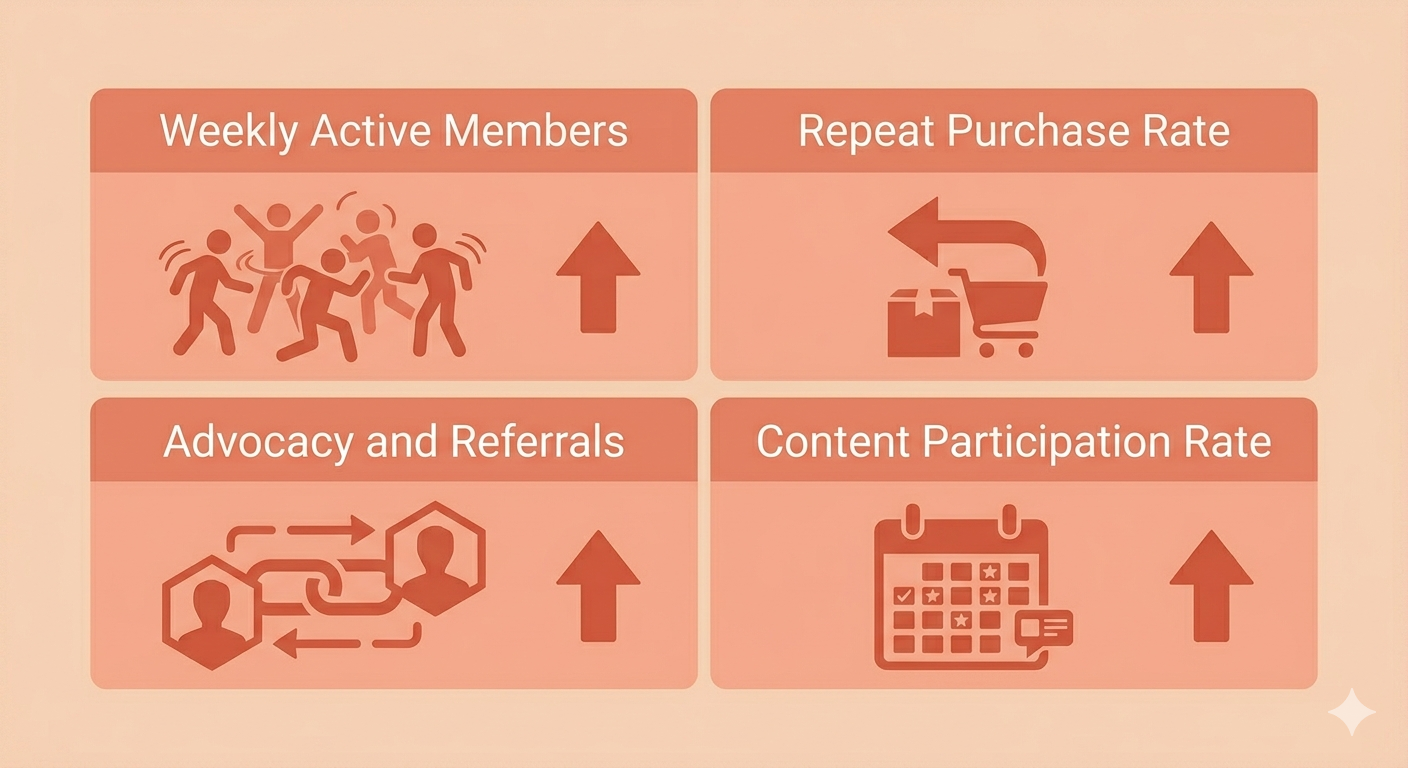
Member count alone does not tell you whether your server is useful, sustainable, or helping the business. Smart brands track activation rate — the percentage of new members who engage within their first few days — weekly active members as a better health signal than total joins, returning participant rate, and advocacy indicators like testimonials and referrals generated from the community. Wearetenet
The business outcomes that a healthy private community should be producing for a small brand include higher repeat purchase rates among community members compared to non-members, higher average order value from members, measurable referrals from member word-of-mouth, and faster sell-through on new product launches when promoted to the community first.
If your community has two hundred members but is producing zero repeat purchases and zero referrals, the value proposition is not working — members joined but did not find sufficient reason to engage or buy again. The fix is almost always more genuine value and less promotional content, combined with more direct interaction from the founder or team.
If your community has fifty members and is producing consistent repeat purchases, active weekly conversations, and organic referrals — that is a healthy community. Small and engaged consistently outperforms large and passive in private community building.
The Long-Term Value — Why a Small Community Beats a Large Following
The final and most important principle of private community building for small brands is this: a community of five hundred engaged superfans is worth more to your business than fifty thousand passive followers.
Passive followers cost you nothing and give you almost nothing in return. They inflate your follower count and occasionally like a post. They do not reliably buy, refer, or advocate. They are susceptible to the next brand with a catchier Reel or a lower price point.
Superfans do the opposite. They buy repeatedly. They refer without being asked. They defend the brand when someone posts a negative comment. They provide genuine product feedback that improves what you build next. They make your launches feel like events instead of announcements. And they are extraordinarily difficult for a competitor to poach — because their relationship is with the community and the people in it, not just with the product.
Building that community takes longer than running an ad. It requires genuine value, consistent presence, and personal attention that scales slowly. But the asset it creates — a group of people who are genuinely invested in your brand's success — is one of the most durable competitive advantages a small brand can build in 2026.
Start small. Start with your ten most engaged customers. Give them something genuinely valuable. Build the habit of showing up for them consistently. The community that matters most does not need to be large. It needs to be real.
SnapReel AI helps small brands create the consistent, high-quality content that gives private community members a reason to stay engaged — so your community always has something fresh and valuable to engage with, without requiring you to produce every piece of content from scratch.