What Is Social Listening — And How Small Brands Are Using It to Stay Ahead of Every Trend in 2026
SnapReel
May 12, 2026 · 14 min read
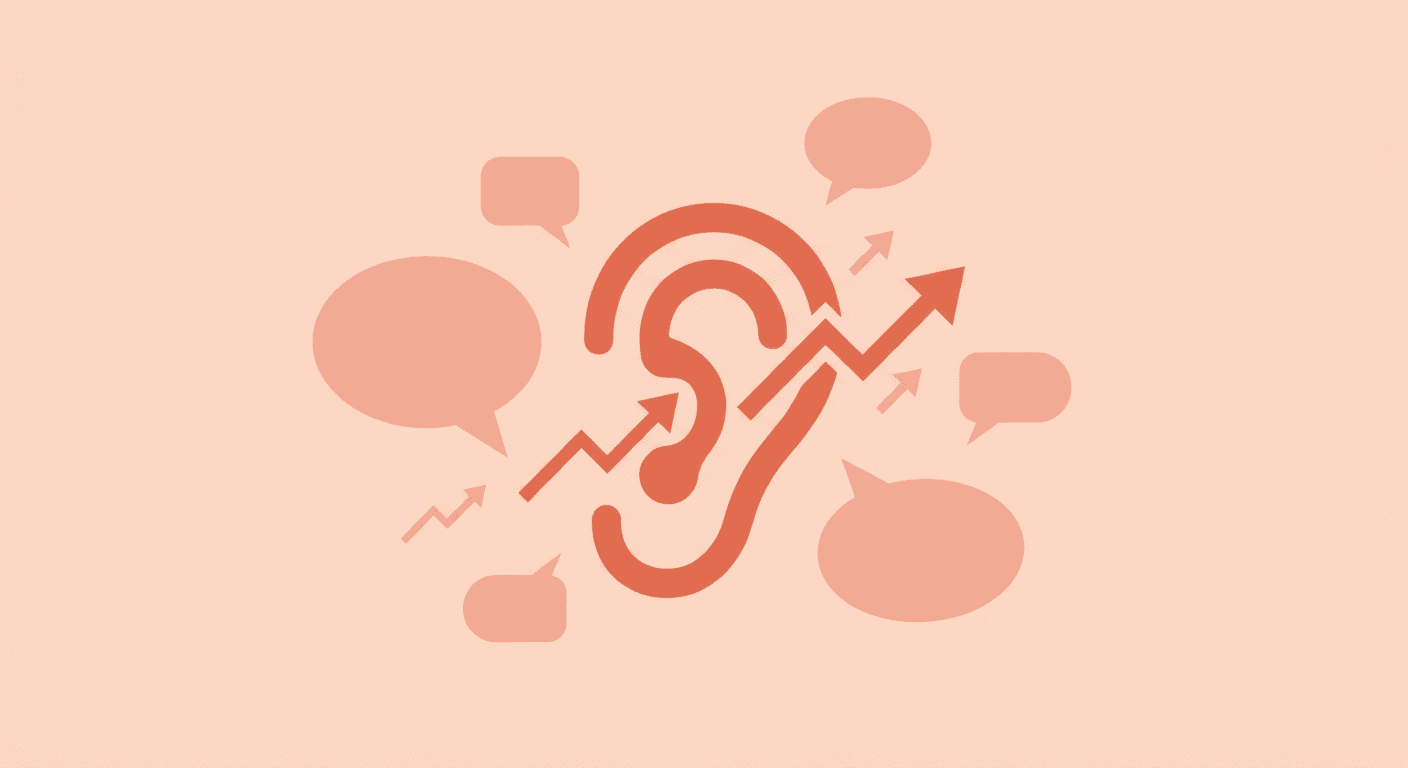
Table of Contents
Every day, millions of people are talking about your industry on social media. They're describing products they love and products that disappointed them. They're asking questions nobody has answered yet. They're complaining about things that existing brands get wrong. They're excited about emerging trends that nobody has marketed to them about yet. And they're doing all of this in public, in real time, for free.
Most small brands have no idea any of these conversations are happening. They're too busy creating content, managing orders, and running the day-to-day of their business to monitor what's being said about their category, their competitors, or their brand across TikTok, Reddit, Instagram, YouTube, and dozens of other platforms simultaneously. So they create content based on gut feeling. They launch products based on assumptions. They respond to trends after everyone else has already moved on. And they wonder why their marketing feels like it's always slightly off.
Social listening is the practice that fixes this. Social listening is how brands understand what people really think and feel by analyzing conversations across social media and the web — it works by tracking mentions, keywords, and trends, then looking at sentiment and themes over time. In 2026, the tools that power social listening have become dramatically more capable and dramatically more affordable — which means the intelligence that was once available only to enterprise brands with six-figure research budgets is now accessible to any small brand willing to use it strategically. National University
This guide explains exactly what social listening is, how it differs from simply monitoring your notifications, what it can actually tell you that changes how you make decisions, and how to start using it without a dedicated analyst or expensive software.
Social Listening vs. Social Monitoring — Understanding the Difference
These two terms are often used interchangeably, but they describe fundamentally different activities with fundamentally different strategic value.
Social monitoring is reactive. It's watching your notifications, checking your mentions, responding to comments. It tells you what's happening right now with your brand specifically — who tagged you, who commented, who shared your post. It's important and necessary, but it's the minimum. Social monitoring tells you what happened after it happened, and only about your own brand.
Social listening is different — it looks at past and present conversations for patterns and meaning. In 2026, listening tools let you make faster decisions, create more relevant content, and deliver what your audience wants before they've explicitly asked for it. Social listening isn't just tracking your own mentions. It's tracking keywords, competitor names, industry topics, and emerging trends across the entire social web — and then analyzing those conversations to extract insights that inform your strategy proactively. Code3
The practical difference is enormous. Social monitoring tells you that ten people commented on your last post. Social listening tells you that conversations about a specific ingredient in your product category have increased 340% on TikTok in the last month, that your biggest competitor has a surge in negative sentiment around their customer service, and that a new trend in your niche is being driven by a specific demographic that your current content doesn't address. One is a notification feed. The other is market intelligence.
Instead of reviewing analytics after a campaign for lessons learned, brands can now use social listening to anticipate trends, respond to micro-shifts as they happen, and adapt messaging on the fly. That shift — from reactive to proactive, from post-campaign analysis to real-time intelligence — is what separates the brands that always feel culturally relevant from the ones that always feel slightly behind. Navigate Video

What Social Listening Actually Tells You — The Five Most Valuable Insights
Understanding what social listening can tell you makes the value immediately concrete. Here are the five categories of insight that small brands consistently get the most value from.
1. What Your Customers Actually Want — Before They Tell You Directly
The most valuable thing social listening does is surface unmet needs in your category — things your potential customers are looking for that nobody is delivering yet. The real goldmine is in listening to industry conversations, competitor mentions, and emerging customer needs that haven't been addressed yet — for example, a clothing boutique might discover that conversations about sustainable fashion are increasing in their target demographic, even when their brand isn't mentioned. Gloucestercitynews
When you track keywords related to your product category rather than just your brand name, you find the full range of questions, complaints, and desires your audience is expressing publicly. These conversations are an unfiltered product research database — they tell you exactly what to build, what to say, and what problems to solve without requiring expensive surveys or focus groups. A skincare brand that discovers a surge in conversations about a specific skin condition their products address can create targeted content around that topic and capture an audience nobody is currently serving.
2. What's Trending Before It Peaks
Timing is everything in content marketing, and social listening is the most reliable way to identify trends before they've peaked — giving you the window to create relevant content while the opportunity is still fresh. Topic clustering and trend surfacing help you spot new memes and hashtags before everyone else jumps on them — it's about getting in early and making the most of the moment. Search Engine Journal
Most small brands find out about trends after they've already become obvious — when the meme is everywhere, when the hashtag is saturated, when every competitor has already posted about it. Social listening tools surface trends earlier, from the forums and niche communities where they originate before they reach mainstream feeds. A brand that can identify a trend three weeks before it peaks has the opportunity to create category-defining content around it. A brand that posts about it after it peaks looks like they're always chasing.
3. What People Are Saying About Your Competitors
Competitor intelligence from social listening is one of the most directly actionable forms of market research available to small brands. When your competitor has a spike in negative sentiment — customers complaining about a product quality issue, a shipping problem, a customer service failure — that's an opportunity for your brand to be exactly what those frustrated customers are looking for. McDonald's picked up on crisis signals early and turned complaints into menu tweaks — Duolingo noticed trends in user-generated content and ran with them — Stanley paid attention to competitor mentions and used that insight to sharpen their own product positioning. Search Engine Journal
More broadly, monitoring what your competitors' audiences respond positively to tells you what's working in your category without you having to run the experiments yourself. If your competitor's educational video series is generating enormous engagement, that's a signal about what your shared audience values — and an opportunity to do the same thing, better.
4. How People Actually Feel About Your Brand
Sentiment analysis — understanding the emotional tone of conversations about your brand — gives you a layer of insight that simple mention counts never can. A surge in brand mentions sounds like good news until you discover that 80% of those mentions are negative. AI has dramatically improved sentiment analysis — modern tools can determine whether a conversation around your brand is positive, negative, or sarcastic much more accurately than older systems, which helps brands delineate the actual situation much quicker and more effectively. Entrepreneur
For small brands, tracking sentiment over time is particularly valuable for catching problems early before they become crises. A gradual shift in the tone of conversations about your product — from enthusiastic to lukewarm, from specific praise to vague satisfaction — tells you that something has changed in how your audience experiences your brand, and gives you the opportunity to address it before it affects sales. Without sentiment monitoring, you might not notice this shift until it shows up in revenue figures.
5. Where Your Audience Actually Lives Online
One of the consistently surprising findings from social listening for small brands is discovering where their audience is actually having conversations — which is often different from where the brand is focusing its marketing efforts. Social listening now tracks conversations on platforms like Reddit and Discord, where communities actively discuss products, brands, and trends — these platforms offer rich insights into consumer sentiments and emerging trends that brand-owned channels simply cannot surface. Disrupt
A small brand might be putting all its energy into Instagram while its most engaged potential customers are discussing its product category in a Reddit community every week. Social listening surfaces these conversation hubs — the forums, subreddits, Facebook groups, Discord servers, and niche platforms where your audience is genuinely talking about things relevant to your brand. Knowing where those conversations are happening is the prerequisite to participating in them effectively.
How to Start Social Listening as a Small Brand — Without Enterprise Tools or Budgets
The common assumption is that social listening requires expensive, enterprise-level software. That was true three years ago. In 2026, the landscape has completely changed. Tools are getting cheaper and more capable at the same time — which is good news for small businesses that used to be priced out of social listening entirely. Trendygrandad
Here's a practical framework for starting social listening as a small brand, from completely free to modestly invested.
Level 1 — Free Social Listening (Zero Budget)
Every major platform has built-in search and discovery features that function as basic social listening tools if you use them intentionally. TikTok's search shows you trending topics, hashtags, and content in your niche in real time. Instagram's Explore page and search shows you what's gaining traction in your category. Reddit's search lets you find communities discussing topics related to your brand. YouTube's search shows you what questions people in your audience are asking and what content is performing around those questions.
Set up Google Alerts for your brand name, your main competitors' names, and three to five key terms in your product category — these alerts send you an email every time those terms appear in new online content, giving you basic monitoring coverage for free. This isn't sophisticated social listening, but it is a meaningful upgrade from flying completely blind. Commit to spending 20 minutes per week manually checking TikTok, Reddit, and YouTube search for your main category keywords, and you'll start building a real understanding of what's moving in your space. Gloucestercitynews
Level 2 — Entry-Level Tools ($15-$150/month)
Once you've validated the value of social listening from your free manual process, graduating to an entry-level tool dramatically expands your coverage and saves the time of manual searching. Tools like Brand24 (starting at around $149/month) and Agorapulse's listening features provide real-time alerts when your brand is mentioned across social media, news, and forums — so instead of checking manually, issues and opportunities surface to you automatically.
At this level, you get sentiment analysis on mentions, basic trend tracking for keywords you're monitoring, and competitor mention tracking — which gives you the core intelligence that drives the most actionable decisions. For a small brand doing $20,000-$100,000 in annual revenue, the strategic decisions improved by even basic social listening tools typically pay for the tool cost many times over.
Level 3 — Growing Brand Investment ($150-$500/month)
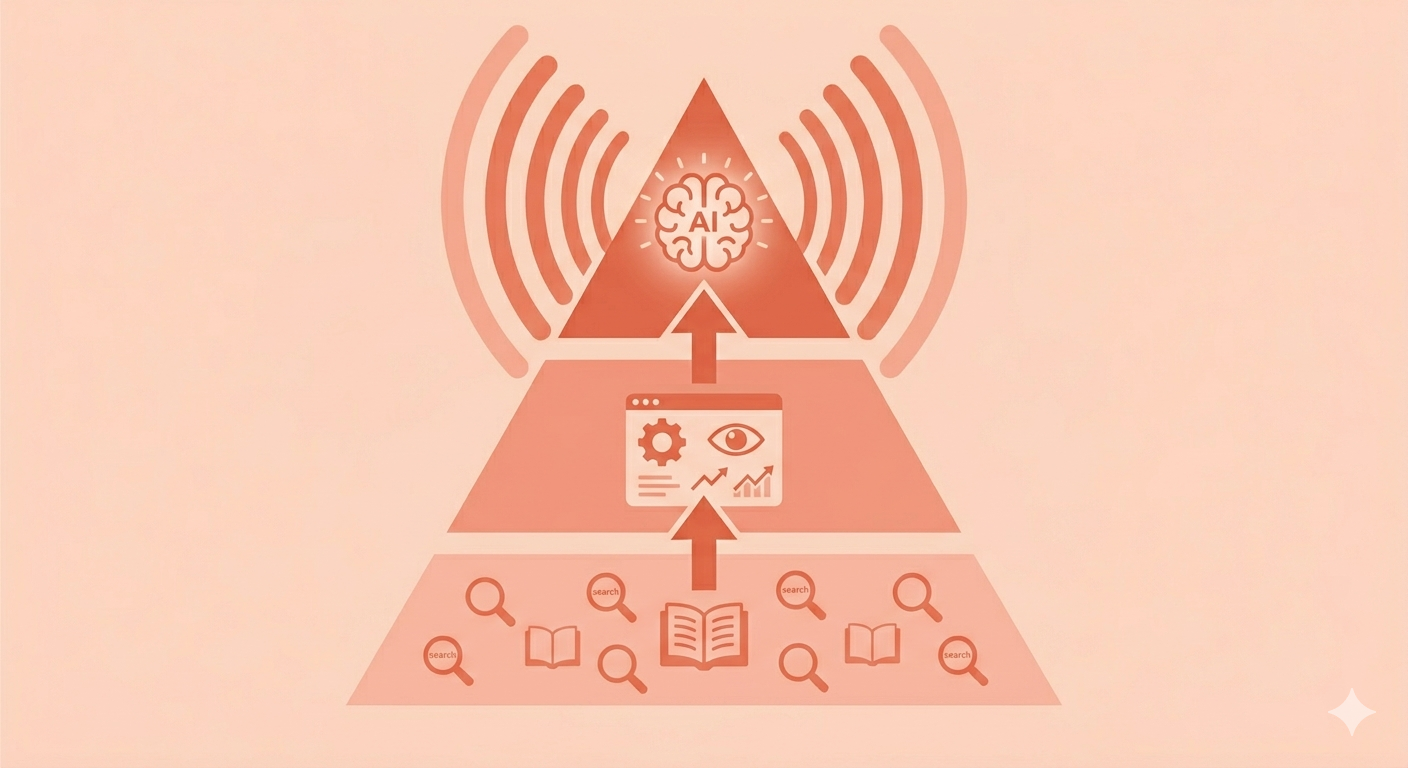
As your brand grows and social listening becomes a genuine part of your marketing strategy, tools with AI-powered sentiment analysis, visual listening capabilities, and predictive trend detection become worthwhile. 66% of businesses now using social listening tools see an average ROI period of around 11 months — and adoption is accelerating as tools become more capable and more affordable. At this level, you're getting the full intelligence picture: real-time alerts, sentiment trend tracking, competitor analysis, influencer identification in your category, and emerging trend detection before they hit mainstream feeds. Coalition Technologies
Spot a trend today
Put these tips into action — start creating with SnapReel for free.
How to Turn Social Listening Insights Into Content That Wins
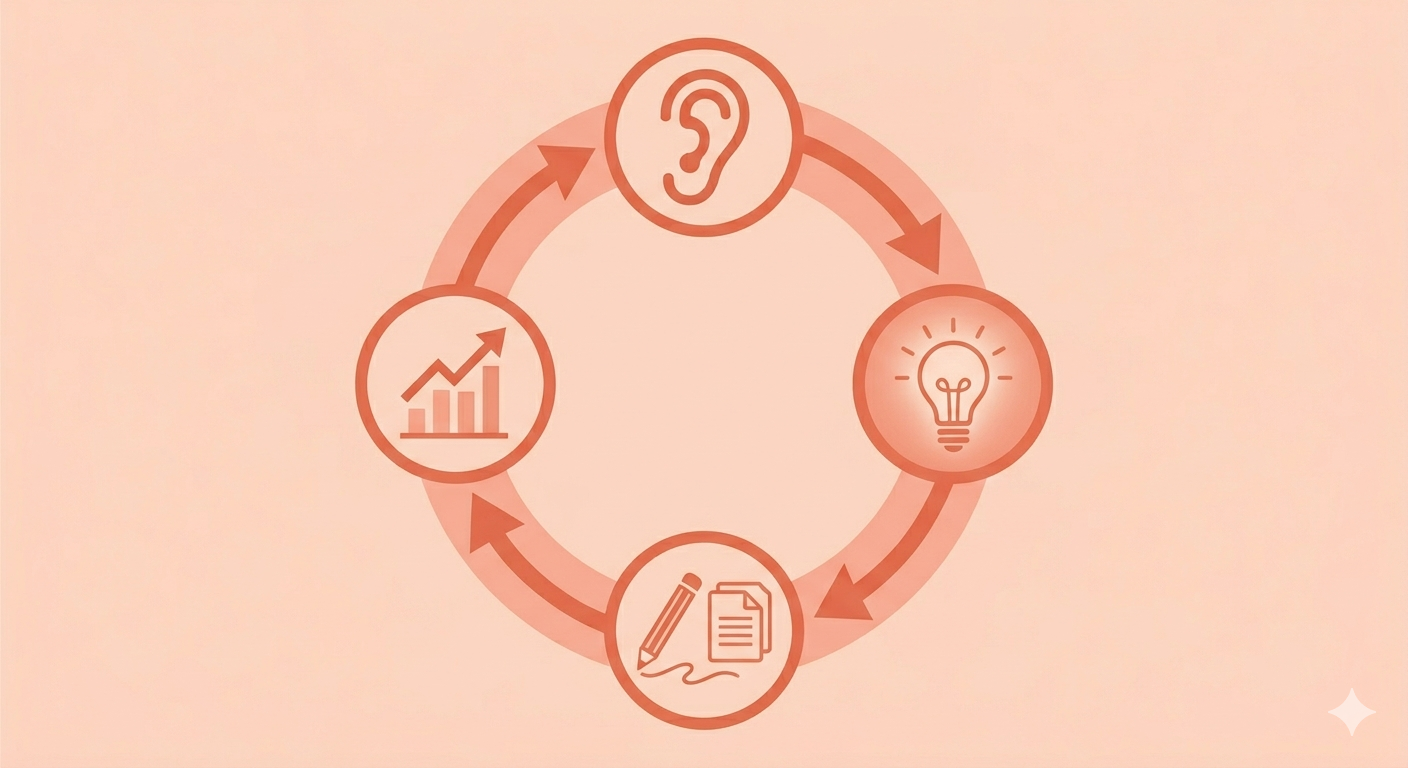
Gathering insights is only half the value of social listening. The other half is knowing how to translate those insights into content decisions that improve your performance. Here's how the loop works in practice.
Trend surfacing → Content creation. When social listening identifies a rising topic in your category — a new ingredient getting attention, a problem that's generating increasing conversation, a format that's performing well for brands in adjacent categories — use that signal to create content around that topic while it's still building momentum. The goal is to be among the first relevant brands to create quality content around an emerging trend, not to be the hundredth.
Sentiment signals → Messaging adjustment. If social listening shows that sentiment around a particular aspect of your product category is shifting — say, customers are increasingly skeptical of a specific claim that everyone in the category makes — adjust your messaging to address that skepticism directly. Brands that stay aware of how audience sentiment is shifting can adapt their communications proactively rather than reactively.
Competitor gaps → Positioning opportunity. When social listening shows a consistent pattern of complaints about competitor brands — something they consistently get wrong, a customer need they consistently fail to address — that gap is your positioning opportunity. Create content that directly speaks to what those frustrated customers are looking for. This is some of the highest-intent content you can create because you're addressing the exact pain point that is actively making people reconsider their current choice.
Conversation location discovery → Platform strategy. When social listening reveals that your audience is having rich conversations about your category in a specific community or platform you're not present on, that's your signal to show up there. Join the Reddit community, create content for the platform, participate in the forum — wherever your audience is genuinely talking about things you care about is where your brand should be present.
React fast — then optimize. Spot trending topics, negative sentiment, or potential crises early. Use those insights to adapt your content strategy and stay one step ahead of competitors. The brands that get the most value from social listening are the ones that build it into their weekly rhythm — not treating it as a quarterly research project but as an ongoing intelligence feed that informs content decisions in real time. National University
Building Your Social Listening Workflow — The 30-Minute Weekly System
Social listening doesn't need to consume significant time to deliver meaningful value. Here's a simple weekly system that any small brand can run in 30 minutes per week.
Monday: Brand and competitor check (10 minutes). Review any alerts from the past week for your brand name and your main competitors. Note any significant sentiment shifts, new complaints, or positive moments worth amplifying. Flag anything that requires a response or content follow-up.
Wednesday: Trend and category scan (10 minutes). Open TikTok, Instagram, and Reddit and manually search your three to five primary category keywords. What content is performing best? What questions are people asking? What topics are appearing more frequently than last week? Record anything that feels like an emerging opportunity.
Friday: Insight-to-action translation (10 minutes). Review what you found earlier in the week and make one concrete content decision based on it. Not a full content plan — just one decision. "We're going to create a video about X next week because there's increasing conversation around it." "We're going to adjust our caption messaging to address Y because sentiment around that claim is shifting." One decision per week compounds significantly over a year.
Set a weekly review cadence for trends and a real-time alert system for sentiment spikes and crisis signals — then build the workflow for what happens next: who reads the report, who shares insights with product, who escalates a crisis. Without that workflow, listening becomes another vanity dashboard. Trendygrandad
The brands in your category that feel like they're always ahead of trends, always creating content that feels timely, always seeming to understand what their audience wants before being told — they're not guessing. They're listening. And in 2026, the tools to do the same thing have never been more accessible to a small brand willing to use them.
SnapReel AI takes the social listening insights you gather and turns them into fully produced video content automatically — so the time you spend understanding your audience translates directly into content that reaches them.