How to Plan Social Media Content for a Product Launch in 2026
SnapReel
June 15, 2026 · 14 min read
Table of Contents
- 1.
- 2.
- 3.
- 4.
- 5.
- 6.
- 7.
- 8.
How to Plan Social Media Content for a Product Launch in 2026 [Complete Timeline]
78% of product launches that fail cite poor pre-launch marketing as a primary cause. Not the product itself. Not the pricing. The marketing timing and execution.
For small product brands, this failure often looks the same. You spend months building something great. Then launch week arrives and you scramble to create social content while handling inventory, customer questions, and a dozen other fires. Your launch posts feel rushed because they were rushed.
This guide gives you the exact social media content plan for a product launch in 2026. You will learn the timeline, the content types, and how to execute the entire plan without adding hours to your daily workload.
🎯 KEY TAKEAWAYS
- Start 8 weeks before launch — most small brands start too late and cannot build anticipation properly. The 8-week timeline gives you enough runway for awareness, engagement, and conversion phases.
- Video content drives 3x more engagement — Reels, TikToks, and Shorts should make up at least 60% of your launch content mix in 2026.
- Batch creation beats daily creation — planning and creating content in advance eliminates the scramble during launch week when you need to focus on customers.
- Autonomous posting tools — remove the daily scheduling burden entirely so you can focus on product and customer experience during launch.
Why Most Product Launch Content Plans Fail
The problem is not that small brand founders do not understand social media. Most do. The problem is timing and capacity.
A product launch is already the busiest time for a small brand. You are finalizing packaging, coordinating with suppliers, testing checkout flows, preparing customer support responses. Adding daily content creation to that list is where things break.
Here is where it gets interesting:
The brands that execute product launches well do not create content during launch week. They created it weeks ago. Their launch week social media runs on autopilot while they handle everything else.
What are the biggest mistakes small brands make with product launch content?
The three most common mistakes are starting content creation too late which prevents proper audience warming, focusing only on announcement posts while ignoring the education and anticipation content that makes announcements effective, and trying to create content in real-time during launch week when capacity is already maxed.
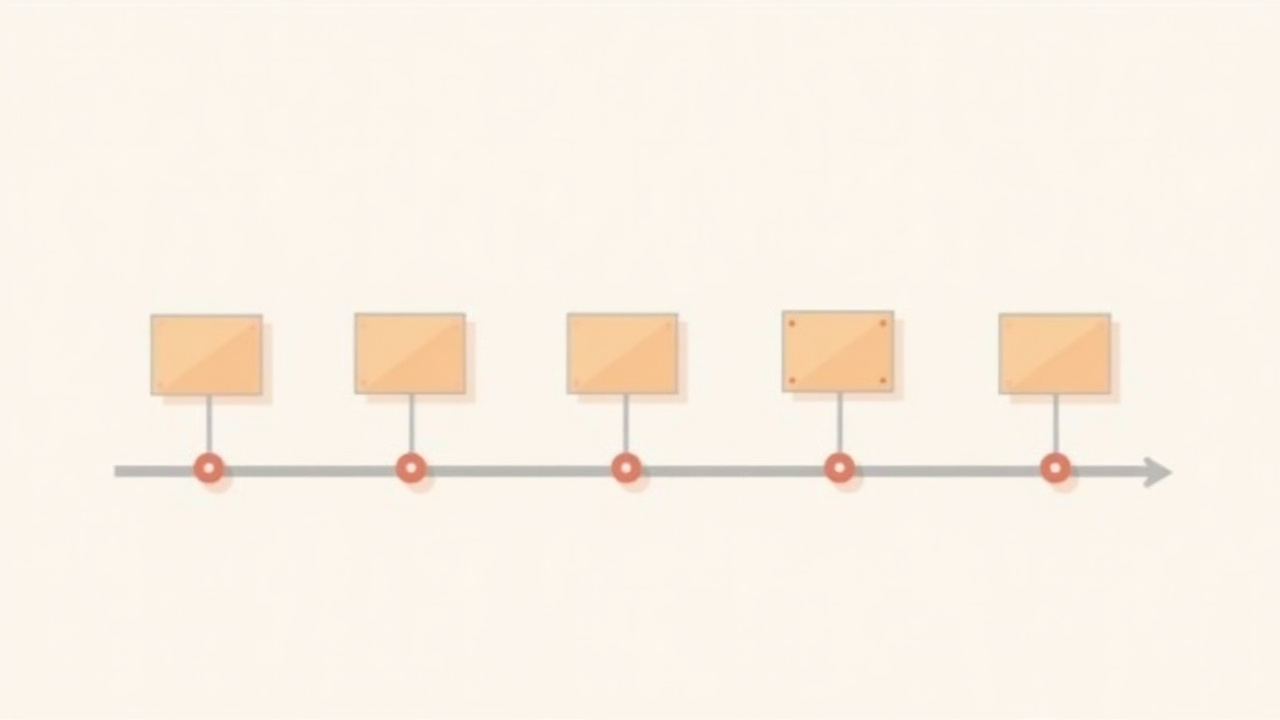
💡 PRO TIP: Block off two full days 6 weeks before your launch date. Use those days exclusively for content creation. Most small brands can create 8 weeks of launch content in 16 focused hours if they have a clear plan and templates ready.
The 8-Week Product Launch Content Timeline
This timeline works for physical products, digital products, and service launches. Adjust the specific content types for your product category, but keep the phase structure intact.
Weeks 8-6 Before Launch: The Awareness Phase
Your goal in this phase is not to sell. It is to establish the problem your product solves and position your brand as the solution.
Here is the kicker:
Most of your audience does not know they need your product yet. This phase educates them about the problem before you ever mention your solution.
- Problem-focused content — posts that highlight the frustration or gap your product addresses without mentioning the product itself
- Behind-the-scenes content — early glimpses of product development that build curiosity and investment in your brand story
- Educational content — tips and information related to your product category that establish your expertise
- Community building posts — questions and engagement content that grow your follower base before launch
📊 STAT: Brands that run a 6+ week awareness phase before launch see 47% higher first-week sales compared to brands that start marketing at launch, according to 2025 Shopify merchant data.
Weeks 5-3 Before Launch: The Anticipation Phase
Now you introduce the product. But you do not sell it yet. You build desire.
What does that mean for your brand?
Every piece of content in this phase should make your audience want the product more without giving them a way to buy it. Controlled scarcity and teasing work because they create tension that release day resolves.
- Product reveal content — first looks at the product with details deliberately withheld to maintain curiosity
- Feature spotlight posts — individual posts focused on single product benefits or features
- Social proof content — testimonials from beta testers, early reviewers, or influencer partners
- Countdown content — posts marking time until launch that keep your product top of mind
Ready to plan your launch content but short on time?
Ready to follow along? Create your first AI video for free.
SnapReel AI generates and posts branded video content automatically so you can focus on your product launch instead of daily content creation.
No credit card required • 2-min setup • 2,000+ small brands already using it
Weeks 2-1 Before Launch: The Conversion Phase
This is where content shifts to direct response. Your audience is warmed. They know the product. Now you give them reasons to buy on launch day specifically.
- Launch offer content — posts announcing any launch-exclusive pricing, bundles, or bonuses
- Urgency content — limited quantity alerts, early-bird deadlines, or time-sensitive bonuses
- FAQ content — addressing the most common objections and questions before they become purchase barriers
- Final countdown posts — daily reminders as launch approaches
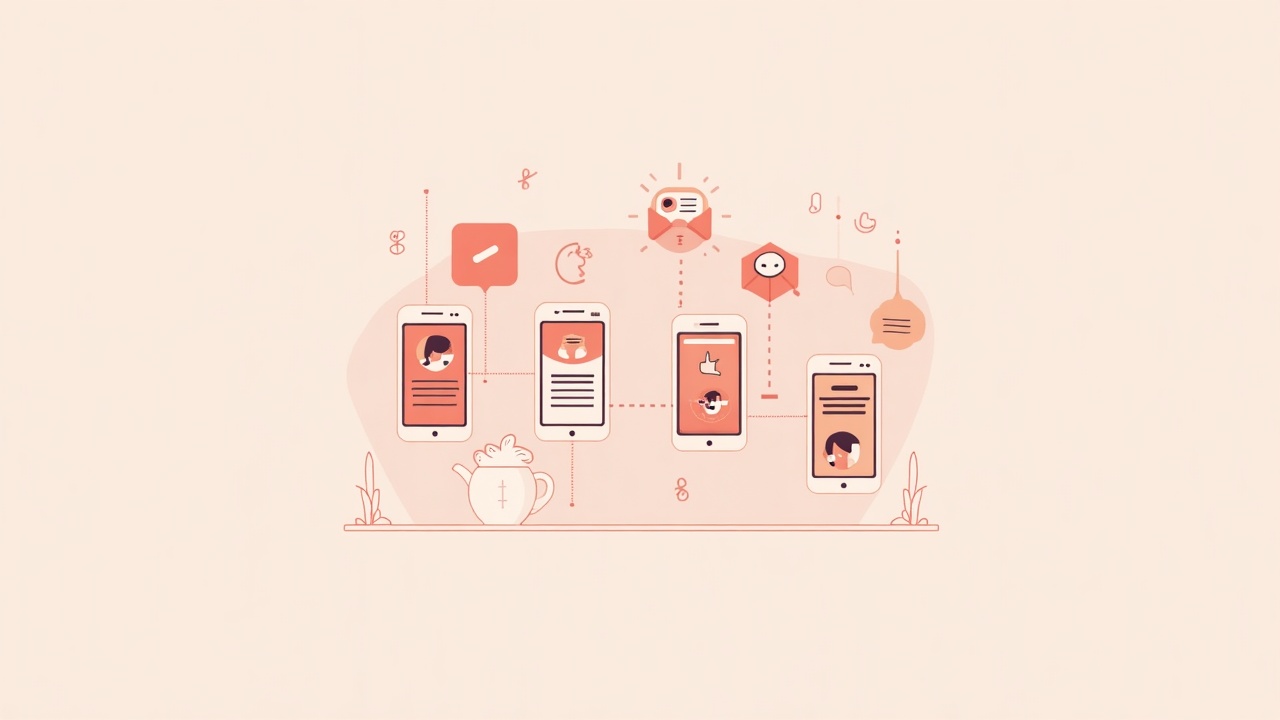
Launch Week: The Execution Phase
If you planned correctly, your content for this week was created weeks ago. Your job now is customer experience, not content creation.
The truth is:
Launch week content should be 80% pre-scheduled and 20% real-time response. The pre-scheduled content maintains momentum. The real-time content responds to actual customer reactions, questions, and user-generated content.
- Launch announcement — the main post declaring the product is available
- Social proof in real-time — sharing customer reactions, unboxings, and early reviews as they come in
- Reminder posts — daily posts for people who saw earlier content but have not purchased
- Thank you content — acknowledging early customers and building community
⚠️ WARNING: Do not schedule all launch week content and disappear. Real-time engagement with comments and customer posts during launch week significantly impacts algorithm distribution. Schedule the posts but stay active in responses.
Content Types That Drive Launch Results in 2026
Not all content formats perform equally for product launches. In 2026, video dominates. But the type of video matters.
What content formats work best for product launches in 2026?
Short-form vertical video drives the highest engagement and reach for product launches in 2026. Reels, TikToks, and YouTube Shorts should make up 60% or more of your launch content mix because these formats receive preferential algorithm treatment on every major platform.
But here is the problem:
Video content takes significantly longer to create than static posts. A single 30-second Reel can take 2-3 hours when you factor in planning, filming, editing, and caption writing. Multiply that by the 40+ pieces of content needed for an 8-week launch plan and you understand why most small brands default to lower-quality static posts.
The Content Mix for Maximum Launch Impact
- 60% short-form video — Reels, TikToks, Shorts featuring product in action, behind-the-scenes, and transformation content
- 20% carousel posts — educational content, feature breakdowns, and comparison content that audiences save and share
- 15% static images — product photography, quote graphics, and announcement images
- 5% Stories content — daily touchpoints, polls, countdown stickers, and casual updates
💡 PRO TIP: Repurpose aggressively. One 60-second video can become three 20-second clips, five still frames for static posts, and multiple Story segments. Plan for repurposing from the start so you create once and publish many times.
How to Create 8 Weeks of Content Without Burnout
The 8-week timeline sounds overwhelming. It is not if you batch correctly.
How long does it take to create a full product launch content plan?
A complete 8-week product launch content plan with 40-50 pieces of content can be created in two to three focused days using batch creation methods. The key is separating planning, creation, and scheduling into distinct work blocks rather than trying to create content piece by piece over weeks.
Here is the system that works:
Day 1: Planning and Scripting (8 hours)
- Hours 1-2 — map all 8 weeks on a calendar with content themes for each phase
- Hours 3-5 — write all captions and video scripts in a single document
- Hours 6-8 — create shot lists for all video content and gather product imagery
Day 2: Video Creation (8 hours)
- Hours 1-4 — film all video content in one session with multiple outfit changes for variety
- Hours 5-8 — basic editing and export of all video files
Day 3: Static Content and Scheduling (6 hours)
- Hours 1-3 — create all carousel and static image content
- Hours 4-6 — upload and schedule all content or set up automation
Hate creating video content? SnapReel AI creates branded Reels for you automatically.
Ready to follow along? Create your first AI video for free.
Generate weeks of branded video content without filming, editing, or prompting. Just complete brand setup once and SnapReel AI handles your daily Reels.
No credit card required • 2-min setup • 2,000+ small brands already using it
Automating Your Launch Content Posting
Creating the content is half the work. The other half is getting it posted at the right times without requiring daily attention.
What are the best tools for scheduling product launch content in 2026?
The best scheduling approach depends on your content type and time availability. Traditional schedulers like Later and Buffer work well if you have static content ready. Autonomous tools like SnapReel AI work better if you need content created and posted without daily involvement.
Now you might be wondering:
What is the difference between scheduling tools and autonomous posting tools?
Scheduling tools hold content you created and post it at times you specify. You still create everything. Autonomous tools generate the content themselves based on your brand information and post it without daily input from you.
| Tool Type | You Create Content | You Schedule Posts | Daily Input Required | Best For |
|---|---|---|---|---|
| Manual Posting | Yes | No | Yes - every post | Brands with dedicated social media staff |
| Scheduling Tools | Yes | Yes - in advance | No - if batched | Brands with content already created |
| Autonomous Tools | No | No | No - fully automated | Founders who need hands-off posting |
For product launches specifically, the hybrid approach often works best. Use autonomous tools for your baseline daily content leading up to launch. Create your key announcement and conversion content manually. Let automation handle everything else.
📊 STAT: Small brands using autonomous posting tools report saving 12+ hours per week on social media management compared to manual posting or basic scheduling tools, according to 2025 small business marketing surveys.
Setting Up Automation for Your Launch
If you choose autonomous posting for your launch content, setup should happen 2 weeks before your content calendar starts. This gives you time to review the generated content and make adjustments to your brand settings if needed.
- Week 10 before launch — set up your autonomous posting tool with brand information, product details, and content preferences
- Week 9 before launch — review the first week of generated content and adjust settings as needed
- Week 8 before launch — your automated content begins posting, starting the awareness phase
- Weeks 8-1 before launch — monitor performance and supplement with manual posts for key moments
⚠️ WARNING: Do not set up automation and forget it entirely. Even autonomous tools need occasional review to ensure content stays on-brand and relevant to your launch timeline. Schedule a 15-minute weekly check-in to review upcoming posts.
Measuring Your Launch Content Performance
Not every metric matters equally during a product launch. Focus on the metrics that actually predict sales.
Which social media metrics matter most for product launches?
The three metrics that correlate most strongly with launch sales are saves and shares on product content, click-through rate to your product page, and comment sentiment on launch announcement posts. Vanity metrics like total reach matter less than these engagement quality indicators.
And it gets better.
You can track these metrics during your awareness and anticipation phases to predict launch performance before launch day arrives. High save rates on problem-focused content indicate strong product-market fit messaging. Low save rates suggest you need to adjust your angle.
- Awareness phase metrics — follower growth rate, reach on educational content, saves on problem-focused posts
- Anticipation phase metrics — saves and shares on product reveal content, comment volume on teaser posts, email list signups from social
- Conversion phase metrics — click-through rate to product page, add-to-cart rate from social traffic, launch offer claim rate
- Launch week metrics — conversion rate from social traffic, revenue attributed to social, customer acquisition cost from social
FAQ
Start planning 10 weeks before launch to allow 2 weeks for content creation and setup before your 8-week content calendar begins. This timeline gives you enough runway to build awareness, create anticipation, and drive conversions without rushing the creative process.
A comprehensive product launch needs 40-50 pieces of content across an 8-week timeline. This breaks down to approximately 6 posts per week across platforms. Aim for 60% video content, 20% carousels, and 20% static posts for optimal engagement in 2026.
Yes. Autonomous posting tools like SnapReel AI can generate and post branded video content without daily input. Use automation for baseline daily content while manually creating key announcement posts. This hybrid approach saves time while maintaining control over critical launch moments.
The best posting time depends on your specific audience. However, data shows most B2C product brands see highest engagement Tuesday through Thursday between 10am-2pm and 7pm-9pm in their primary customer timezone. Test during your awareness phase to find your optimal times.
Repurpose the same video content across platforms but adjust captions and hashtags for each platform's culture. The video itself can be identical. The context around it should feel native to each platform. This maximizes content ROI while respecting platform differences.
Focus on product-focused content rather than founder-focused content. Show the product in use, create stop-motion product videos, use text overlays on b-roll footage, or use AI tools like SnapReel AI that generate branded video content without requiring you to film anything yourself.
Your Product Launch Content Plan Starts Now
The difference between a successful product launch and a disappointing one often comes down to content timing. Not content quality. Not content volume. Timing.
Brands that build awareness before they need sales outperform brands that start marketing at launch. The 8-week timeline in this guide gives you the structure. The batch creation method gives you the efficiency. The automation options give you the freedom to focus on your product when launch week arrives.
Your launch is coming whether your content is ready or not. Start planning now so launch week can be about customers instead of content scrambles.
Stop scrambling for launch content. Let SnapReel AI handle your daily social media.
Ready to follow along? Create your first AI video for free.
✓ Fully autonomous daily posting with no prompts, scheduling, or daily decisions required
✓ Branded Reels generated from your product information and posted to Instagram, TikTok, and YouTube Shorts
✓ Free forever plan included with no credit card required to start
Free forever plan • No credit card • 2-min setup