How to Build a Social Media Strategy for a New Product Launch in 2026
SnapReel
June 17, 2026 · 16 min read
Table of Contents
- 1.
- 2.
- 3.
- 4.
- 5.
- 6.
- 7.
- 8.
- 9.
- 10.
- 11.
- 12.
How to Build a Social Media Strategy for a New Product Launch in 2026 [Complete Guide]
78% of new product launches fail to hit their first-year sales targets. The most common reason is not the product itself. It is that potential customers never knew the product existed.
For small product brands, this problem is even worse. You do not have a marketing team. You do not have months of runway to build awareness. You need your social media strategy to start generating interest the moment your product is ready — and you need it to run without consuming your entire workday.
This guide walks you through exactly how to build a social media strategy for a new product launch in 2026 — from the pre-launch phase through post-launch momentum. You will learn the specific tactics that work for small brands, the timeline you should follow, and how to automate the parts that would otherwise burn you out.
🎯 KEY TAKEAWAYS
- Start your social presence 4-6 weeks before launch — this gives you time to build an audience that actually cares when your product drops.
- Focus on 2-3 platforms maximum — spreading across every network dilutes your effort and produces weaker results than going deep on fewer channels.
- Video content drives 3x more engagement — Reels, TikToks, and Shorts are non-negotiable for product launches in 2026.
- Automation is essential for small brands — you cannot manually post daily while also running a product business, so build automation into your strategy from day one.
Why Most Product Launch Social Strategies Fail
Most small brands approach product launch social media the same way. They wait until the product is ready, post an announcement, and hope the algorithm rewards them. This almost never works.
The problem is timing and volume. Social media algorithms favor accounts that post consistently over time. A brand that has been dormant for months and suddenly posts a product announcement gets buried. The algorithm does not trust sporadic accounts.
What is the biggest mistake small brands make with product launch social media?
The biggest mistake is treating launch day as the start of your social media presence rather than the peak of it. Successful product launches on social media require 4-6 weeks of pre-launch content that builds audience, establishes posting consistency, and trains the algorithm to distribute your content before your most important announcement ever goes live.
Here is where most founders get stuck:
They know they need to post consistently. They know video content performs best. They know they should be on multiple platforms. But they are also building a product, managing suppliers, handling customer service, and everything else that comes with running a small brand.
The math does not work. Creating quality social content takes 2-4 hours per day. Running a product business takes 8-12 hours per day. Something has to give.
💡 PRO TIP: Do not build your social media strategy around how much time you think you should spend. Build it around how much time you can actually spend consistently for 90+ days. An automated strategy that posts daily beats a manual strategy that burns you out after two weeks.
The Three Phases of a Product Launch Strategy
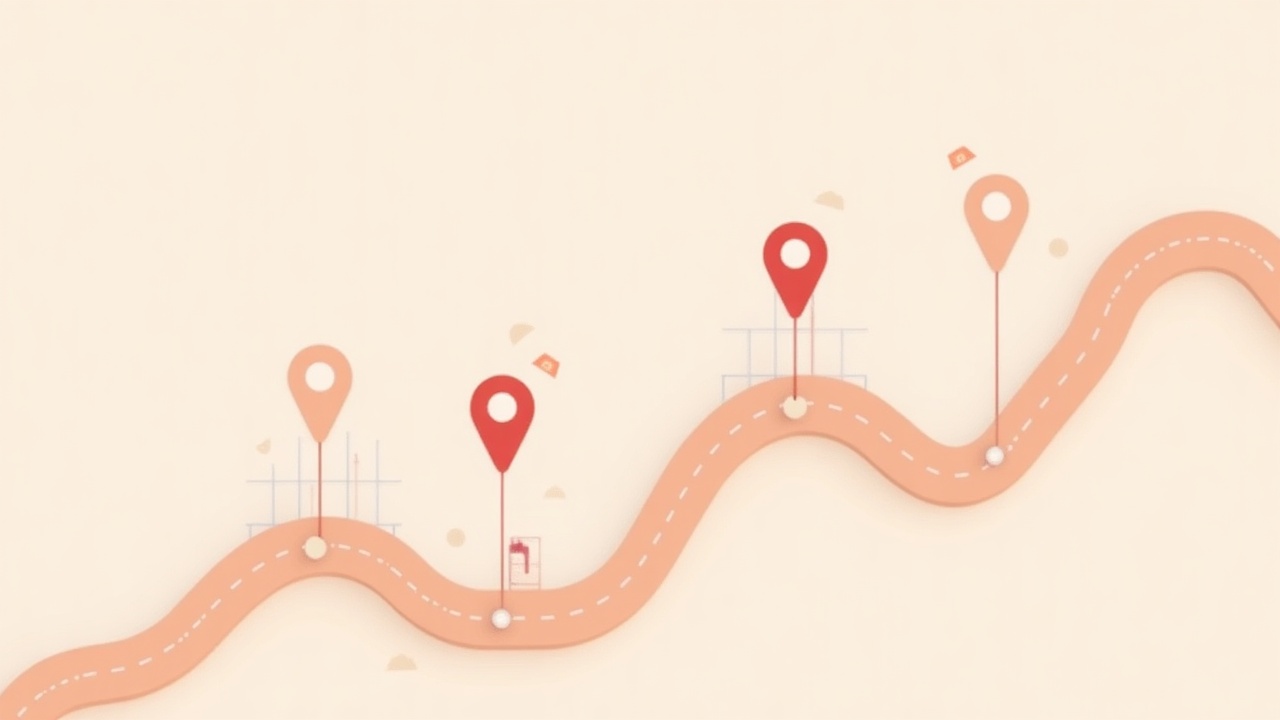
Every successful product launch social strategy follows the same three-phase structure. Each phase has different goals, different content types, and different metrics you should track.
What are the three phases of a product launch social strategy?
The three phases are pre-launch (4-6 weeks before), launch week (7 days centered on launch day), and post-launch (ongoing after the initial launch period). Pre-launch builds anticipation and audience. Launch week maximizes visibility and conversions. Post-launch sustains momentum and captures customers who need multiple touchpoints before purchasing.
- Pre-Launch Phase (Weeks 1-6): Goal is building an audience that cares about your product before it exists. Content focuses on the problem you solve, behind-the-scenes creation, and anticipation building.
- Launch Week (Days 1-7): Goal is maximum visibility and initial conversions. Content focuses on product reveals, feature highlights, social proof, and direct calls to action.
- Post-Launch Phase (Ongoing): Goal is sustained momentum and converting the 95% of potential customers who did not buy immediately. Content focuses on user-generated content, use cases, testimonials, and ongoing value.
Here is the kicker:
Most brands put 90% of their effort into launch week and 10% into everything else. The brands that succeed flip this ratio. They put 40% into pre-launch, 20% into launch week, and 40% into post-launch.
📊 STAT: Products with a 6-week pre-launch social campaign see 340% higher first-week sales compared to products that announce on launch day with no prior social presence, according to Sprout Social's 2025 Product Launch Report.
Pre-Launch Phase: Building Anticipation
The pre-launch phase is where most small brands either set themselves up for success or doom their launch before it begins. Your goal during this phase is not sales. It is attention and anticipation.
How far in advance should you start posting before a product launch?
Start posting 4-6 weeks before your product launch date. This gives you enough time to build a following, establish consistent posting habits that the algorithm rewards, test what content resonates with your audience, and create genuine anticipation rather than rushing awareness in the final days before launch.
Your pre-launch content should follow a specific progression:
- Weeks 5-6: Problem-focused content. Talk about the pain point your product solves. Do not mention your product yet. Build an audience of people who care about the problem.
- Weeks 3-4: Behind-the-scenes content. Show your product in development. Reveal glimpses without showing everything. Build curiosity and investment in your story.
- Weeks 1-2: Anticipation content. Announce your launch date. Show product teasers. Create countdown content. Build urgency and excitement.
What does that mean for your brand?
It means your first social posts should never mention your product name. They should make your target customer feel seen and understood. Once you have their attention because you understand their problem, introducing your solution becomes natural rather than promotional.
Ready to build pre-launch momentum without daily content creation?
Create AI-powered videos and auto-post to all your platforms.
SnapReel AI generates and posts branded video content automatically during your pre-launch phase. Set up your brand once and let the system build anticipation while you focus on getting your product ready.
No credit card required • 2-min setup • 2,000+ small brands already using it
Launch Week: Maximum Visibility Tactics
Launch week is your highest-intensity posting period. This is when you shift from building anticipation to driving action. Every piece of content should have a clear call to action.
How often should you post during product launch week?
Post 2-3 times per day across your primary platforms during launch week. This is significantly higher than your normal posting frequency, but the algorithm rewards high-activity periods with increased distribution. Your launch week content should include product reveals, feature highlights, social proof, behind-the-scenes launch day content, and direct purchase calls to action.
The truth is:
Most small brands cannot sustain 2-3 posts per day manually. This is where batch creation or automation becomes essential. Create all your launch week content in advance so you can focus on customer response and operations during the actual launch.
- Launch Day: Post your main announcement, a product demo, and a founder story. These three pieces give your audience the what, the how, and the why.
- Days 2-3: Post feature deep-dives and use case content. Show specific ways customers will use your product.
- Days 4-5: Post early customer reactions and any initial reviews or feedback. Social proof drives conversions.
- Days 6-7: Post urgency content if you have any launch offers, and recap the launch for followers who missed day one.
⚠️ WARNING: Do not go silent after launch day. Many brands post a big announcement and then disappear for days. This kills your momentum. The algorithm and your audience both need consistent content through the entire launch week to maintain interest.
Post-Launch: Sustaining Momentum
Here is where most product launches die. The initial excitement fades, the founder is exhausted from launch week intensity, and social media posting becomes inconsistent or stops entirely.
But here is the problem:
Only 5-10% of your potential customers buy during launch week. The other 90-95% need multiple touchpoints over weeks or months before they convert. If you stop posting after launch, you lose access to the majority of your potential customers.
How long should you maintain high posting frequency after a product launch?
Maintain elevated posting frequency for at least 8-12 weeks after launch. This is the period where most of your actual conversions will happen as customers who discovered you during launch week move through their decision process. Drop to 1 post per day after launch week, but do not drop below this threshold for at least three months.
- Weeks 2-4: Focus on user-generated content and customer stories. Real customers using your product builds more trust than anything you can say about it.
- Weeks 5-8: Focus on use case content and addressing common questions. This captures customers who are researching before purchasing.
- Weeks 9-12: Focus on expanding your content topics while maintaining product visibility. Build your brand beyond just the product.
Now you might be wondering:
How can a small brand maintain daily posting for 12+ weeks without burning out or neglecting the actual business?
This is exactly why autonomous social media tools exist. The brands that sustain post-launch momentum in 2026 are not the ones with the biggest teams. They are the ones with the smartest automation.
💡 PRO TIP: Create a content bank of 30-50 post ideas before your launch. This bank will carry you through the post-launch period when you are too busy handling actual business operations to brainstorm new content daily.
Choosing the Right Platforms for Your Product
Not every platform deserves your attention. The biggest mistake small brands make is trying to be everywhere at once. This dilutes your effort and produces mediocre results across all platforms instead of strong results on a few.
Which social media platforms are best for product launches in 2026?
For physical product brands, Instagram Reels, TikTok, and YouTube Shorts should be your primary platforms in 2026. These video-first platforms drive the highest engagement and purchase intent for product content. Pinterest remains strong for certain product categories. LinkedIn is only relevant if you sell to businesses.
Here is where it gets interesting:
The platform choice matters less than your consistency on that platform. A brand that posts daily to Instagram only will outperform a brand that posts sporadically across five platforms.
- Instagram Reels: Best for lifestyle products, fashion, beauty, home goods. Audience skews 18-44 with purchasing power.
- TikTok: Best for products with visual appeal or demonstration potential. Audience skews younger but has expanded significantly.
- YouTube Shorts: Best for products that benefit from longer explanation or demonstration. Search-driven discovery lasts longer than other platforms.
- Pinterest: Best for home, wedding, DIY, and planning-related products. Longer content lifespan than other platforms.
Want branded Reels on Instagram
Create AI-powered videos and auto-post to all your platforms.
SnapReel AI auto-generates and posts branded video content to all three major short-form video platforms. One setup, three platforms, zero daily content creation required.
No credit card required • 2-min setup • 2,000+ small brands already using it
Content Types That Drive Product Launch Success
In 2026, video content is not optional for product launches. It is the primary content format that drives engagement, reach, and conversions. Static images and text posts still have a place, but they should support your video strategy rather than replace it.
What types of content perform best for product launches on social media?
Short-form video content performs best for product launches in 2026, specifically Reels, TikToks, and YouTube Shorts in the 15-60 second range. Product demonstrations, unboxing content, behind-the-scenes footage, and customer testimonial videos drive the highest engagement and conversion rates for product brands.
- Product Demonstrations: Show your product in action. Keep it under 30 seconds. Focus on one benefit per video.
- Unboxing Content: The unboxing moment creates emotional connection. Film it from the customer perspective.
- Behind-the-Scenes: Show how your product is made, packed, or shipped. This builds authenticity and connection.
- Customer Testimonials: Real customers talking about your product. This is your highest-converting content type.
- Problem-Solution: Start with the pain point, reveal your product as the solution. Classic format that still works.
📊 STAT: Short-form video content generates 2.5x more engagement than static images for product brands, and video viewers are 85% more likely to make a purchase after watching a product video, according to Wyzowl's 2025 Video Marketing Statistics report.
And it gets better.
Video content has the longest lifespan on most platforms. A strong Reel or TikTok can continue generating views and sales for months after posting, while static content typically dies within 24-48 hours.
How to Automate Your Launch Strategy
Here is the section most small brand founders need to read twice. You cannot manually execute a proper product launch social strategy while also running your business. The math simply does not work.
Can you automate a product launch social media strategy?
Yes, and you should. In 2026, autonomous AI tools can handle everything from content creation to posting scheduling to platform optimization. The most effective approach for small brands is full automation with strategic oversight, where AI handles daily execution and you handle strategy adjustments based on performance data.
There are three levels of social media automation:
- Level 1 - Scheduling Only: You create all content manually, then schedule it in advance. Saves posting time but not creation time. Tools like Buffer and Later operate at this level.
- Level 2 - Assisted Creation: AI helps you create content faster, but you still need to prompt it daily and make decisions about what to post. Tools like Predis.ai and Canva operate at this level.
- Level 3 - Full Autonomy: AI creates and posts your content without daily input. You set up your brand once and the system runs continuously. SnapReel AI operates at this level.
What does that mean for your brand?
If your bottleneck is posting time, Level 1 tools solve your problem. If your bottleneck is creation speed, Level 2 tools solve your problem. If your bottleneck is daily time commitment altogether, only Level 3 tools solve your problem.
💡 PRO TIP: Set up your automation before your pre-launch phase begins. Testing and refining your automated system while you are in the middle of a launch creates unnecessary stress. Get it running smoothly during a low-stakes period.
Product Launch Social Strategy Timeline
Here is a complete timeline you can follow for your product launch. Adjust the specific dates based on your launch timing, but keep the relative spacing consistent.
- Week -6: Set up your social accounts and automation tools. Establish your brand voice and visual identity. Begin problem-focused content.
- Week -5: Continue problem-focused content. Start building your audience through hashtags and engagement.
- Week -4: Transition to behind-the-scenes content. Show product development without full reveals.
- Week -3: Continue behind-the-scenes content. Increase posting frequency slightly.
- Week -2: Announce your launch date. Begin countdown content. Show product teasers.
- Week -1: Final countdown content. Build maximum anticipation. Prepare all launch week content in advance.
- Launch Week: Execute your 2-3 posts per day schedule. Monitor engagement and respond to comments actively.
- Weeks +2-12: Maintain 1 post per day minimum. Focus on user-generated content and social proof.
⚠️ WARNING: Do not skip the pre-launch phase even if you are in a rush. A two-week pre-launch is better than no pre-launch. Going straight to launch without building any audience first dramatically reduces your potential reach.
FAQ
The cost ranges from $0 to thousands per month depending on your approach. Free tools like SnapReel AI's free forever plan can handle autonomous posting. Paid advertising budgets vary based on your goals, but many successful small brand launches spend $500-2000 on social ads during launch week to amplify organic content.
For most small brands, hiring a social media manager is not cost-effective for a single product launch. Monthly management fees of $1500-5000 make more sense for ongoing brand building. For launches, use autonomous tools or batch-create content yourself during the pre-launch phase when you have more time.
Track three primary metrics during your launch. Reach measures how many people see your content. Engagement rate measures how many interact with it. Click-through rate to your product page measures purchase intent. A successful launch shows all three metrics increasing throughout your launch period.
Low engagement usually indicates one of three problems. Your content is not reaching the right audience which is a targeting problem. Your content is reaching the right audience but not resonating which is a content problem. Or your posting frequency is too low for the algorithm to distribute your content which is a consistency problem.
You can, but your results will be significantly worse. Products launched with zero pre-launch social presence rely entirely on paid advertising or external press for initial awareness. This is more expensive and less effective than building an organic audience first. Even two weeks of pre-launch content helps.
Making Your Product Launch Social Strategy Work
A successful product launch social strategy in 2026 comes down to three things. Start early enough to build an audience before your launch. Stay consistent enough to maintain momentum after your launch. And automate enough to make the whole thing sustainable without burning yourself out.
The brands that win at product launch social media are not necessarily the ones with the best products or the biggest budgets. They are the ones that show up consistently for long enough to build real audience connection.
For small brands, that consistency is only possible with the right automation in place. Choose your tools based on your actual bottleneck, set them up before you need them, and let your systems work while you focus on everything else that goes into a successful product launch.
Ready to launch your product with social media that runs itself?
Create AI-powered videos and auto-post to all your platforms.
✓ Fully autonomous daily posting to Instagram, TikTok, and YouTube Shorts without daily input
✓ Branded Reels generated automatically from your product information and brand voice
✓ Pre-launch, launch week, and post-launch content handled by one system
Free forever plan • No credit card • 2-min setup