TikTok vs YouTube Shorts for Small Product Brands — Which Is Worth Your Time in 2026?
SnapReel
June 15, 2026 · 14 min read

Table of Contents
- 1.
- 2.
- 3.
- 4.
- 5.
- 6.
- 7.
- 8.
TikTok vs YouTube Shorts for Small Product Brands — Which Platform Wins in 2026?
Small product brands posted 340% more short-form video content in 2025 than in 2023. But here is the uncomfortable truth: most of them are spreading themselves too thin across platforms without understanding which one actually drives sales.
You have limited time. You have limited budget. And you are being told by every marketing guru that you need to be everywhere at once. The result? Mediocre presence on both TikTok and YouTube Shorts instead of dominance on one.
This guide breaks down exactly which platform deserves your time in 2026 based on real data, real brand results, and the specific needs of small product businesses. By the end, you will know whether TikTok or YouTube Shorts is the better investment for your brand — and how to make that platform work without burning yourself out.
🎯 KEY TAKEAWAYS
- TikTok delivers faster — viral potential is higher, but algorithm changes in 2026 favor established creators over new accounts
- YouTube Shorts wins long-term — content has a 9-month average shelf life compared to TikTok's 48-hour peak
- Your product category matters — impulse-buy products under $50 perform better on TikTok while considered purchases over $100 convert better on YouTube
- The best strategy for most small brands is picking one platform and posting consistently rather than splitting attention across both
Why This Platform Decision Matters More in 2026
Two years ago, the advice was simple: post everywhere. Short-form video was exploding and every platform rewarded new creators with reach. That era is over.
What changed for small brands on short-form video platforms in 2026?
Both TikTok and YouTube Shorts have matured their algorithms to favor consistent posting patterns over viral randomness. Small brands that post sporadically now see 60% less reach than accounts posting daily. The platforms reward commitment, which means splitting your effort between two platforms actively hurts your performance on both.
Here is where the problem compounds:
Each platform has different optimal video styles, different trending sounds, different audience behaviors, and different posting times. Creating truly native content for both platforms takes roughly double the time — not slightly more.

- Algorithm maturity — both platforms now favor accounts that post at least 5 times per week with consistent engagement patterns
- Content differentiation — what works on TikTok often underperforms on YouTube Shorts and vice versa
- Audience expectations — YouTube viewers expect more polished content while TikTok audiences prefer raw authenticity
- Discovery mechanics — TikTok's For You page is entertainment-first while YouTube Shorts increasingly serves search intent
💡 PRO TIP: Before deciding between platforms, audit where your existing customers spend time. Check your website analytics for referral traffic from TikTok vs YouTube. If you are getting 10x more traffic from one platform organically, that is your answer — lean into what is already working.
TikTok for Small Product Brands — The Real Picture [2026 Update]
TikTok remains the dominant short-form platform by user count. 1.5 billion monthly active users as of early 2026. But raw user numbers do not tell small product brands what they actually need to know.
Is TikTok still worth it for small product brands in 2026?
TikTok is worth it for small product brands selling impulse-buy products under $50 who can commit to daily posting and trend participation. The platform's discovery engine still outperforms YouTube Shorts for reaching new audiences quickly, but conversion rates on higher-priced items have dropped 23% since 2024 as the platform has become more entertainment-focused.
The truth is:
TikTok's strength is top-of-funnel awareness. It excels at getting your product in front of people who have never heard of you. But the platform's user behavior is browse-and-scroll, not buy-and-convert. Users are there to be entertained, not to shop.
- Average watch time — TikTok users spend 95 minutes per day on the platform, highest of any social app
- Discovery potential — new accounts can still reach 10,000+ views on early videos if content resonates
- Conversion challenge — average click-through rate to external product links is 1.2%, down from 2.1% in 2023
- Shop integration — TikTok Shop reduces friction but takes 5-8% commission plus requires separate inventory management
📊 STAT: Small product brands using TikTok Shop see 3.2x higher conversion rates compared to link-in-bio strategies according to TikTok's 2025 Commerce Report. But Shop-enabled accounts also report 40% more time spent on customer service issues due to platform-specific buyer expectations.
What type of products perform best on TikTok?
Products that perform best on TikTok share three characteristics: they are visually demonstrable in under 15 seconds, priced under $50 for impulse purchase, and have a clear before-and-after or transformation hook. Beauty, gadgets, home organization, and novelty items dominate the platform's commerce success stories.
But here is the problem:
TikTok's algorithm changes have made organic reach less predictable for small accounts. The platform now heavily favors creators who use trending sounds within 24 hours of emergence. This means successful TikTok marketing requires daily platform monitoring — something most small brand founders cannot sustain.
YouTube Shorts for Small Product Brands — The Real Picture [2026 Update]
YouTube Shorts hit 70 billion daily views in late 2025. More importantly for small brands, YouTube's ecosystem offers something TikTok cannot: content longevity and search discovery.
Why are small brands shifting focus to YouTube Shorts in 2026?
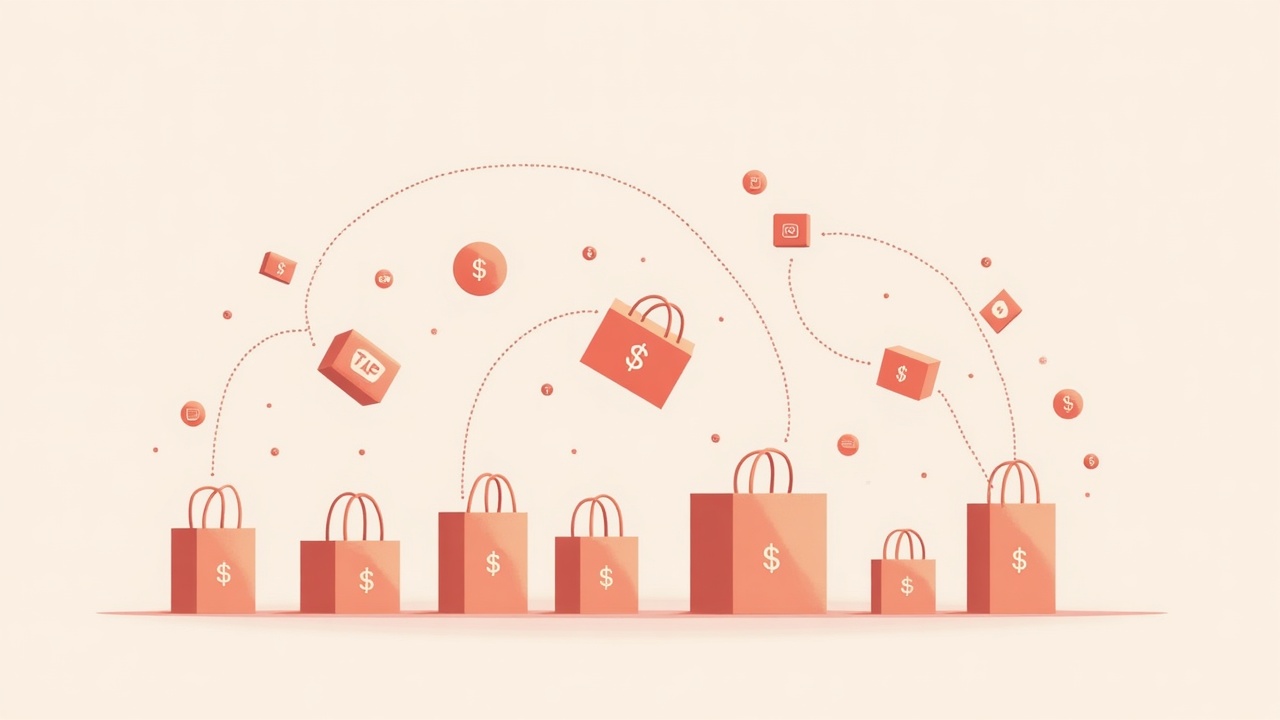
Small brands are shifting to YouTube Shorts because content remains discoverable for months rather than days. A YouTube Short posted in January can still generate views and sales in October. TikTok videos typically see 90% of their lifetime views within 48 hours. For time-strapped founders, content that keeps working compounds their limited effort.
What does that mean for your brand?
If you post 100 videos this year on YouTube Shorts, those videos continue generating views and potential customers throughout 2026 and beyond. The same 100 videos on TikTok have a much shorter active lifespan.
- Content shelf life — YouTube Shorts average 9 months of meaningful view accumulation vs TikTok's 2-day peak
- Search integration — Shorts appear in Google search results, adding a discovery channel TikTok lacks
- Audience intent — YouTube users are 2.3x more likely to be in research mode when watching Shorts
- Monetization path — Shorts feed into longer YouTube content, building a content ecosystem over time
💡 PRO TIP: YouTube Shorts that answer specific product questions rank in both YouTube and Google search. Create Shorts targeting questions like "how to use [product type]" or "[product type] for beginners" to capture high-intent traffic that TikTok's entertainment algorithm cannot deliver.
What are YouTube Shorts' weaknesses for small product brands?
YouTube Shorts' main weakness is slower initial traction. New accounts typically need 50-100 posts before the algorithm consistently surfaces their content. TikTok can deliver viral moments on post number three. YouTube Shorts requires patience and consistency that many small brand founders abandon before seeing results.
Here is the kicker:
YouTube's audience expects higher production quality. Raw phone footage that performs well on TikTok often underperforms on Shorts. This does not mean you need expensive equipment — but it does mean cleaner edits, better lighting, and more intentional framing.
Tired of creating content for multiple platforms?
Create AI-powered videos and auto-post to all your platforms.
SnapReel AI creates branded Reels optimized for each platform automatically. One setup, daily posts to TikTok, YouTube Shorts, and Instagram — no daily content creation required.
No credit card required • 2-min setup • 2,000+ small brands already using it
Head-to-Head Platform Comparison for Small Product Brands
Numbers matter. Here is how TikTok and YouTube Shorts compare on the metrics that actually affect small product brand success.
| Factor | TikTok | YouTube Shorts | Winner For Small Brands |
|---|---|---|---|
| Monthly Active Users | 1.5 billion | 2+ billion (YouTube total) | Tie — both have massive reach |
| Content Shelf Life | 48-hour peak | 9-month average | YouTube Shorts |
| New Account Discovery | High — can go viral early | Moderate — requires consistency | TikTok |
| Average CTR to Product | 1.2% | 1.8% | YouTube Shorts |
| Search Discoverability | Limited to in-app | Google + YouTube search | YouTube Shorts |
| Audience Purchase Intent | Lower — entertainment mode | Higher — research mode | YouTube Shorts |
| Daily Time Investment | High — trend monitoring required | Moderate — evergreen focus | YouTube Shorts |
| Native Shopping | TikTok Shop (5-8% fee) | Product tags (limited rollout) | TikTok |
| Best Product Price Point | Under $50 | $50-$200 | Depends on your product |
⚠️ WARNING: Do not choose a platform based solely on where your competitors are. Many small brands follow competitors to TikTok without realizing those competitors are not actually converting sales there — they are just building vanity metrics. Check actual revenue attribution before copying a competitor's platform strategy.

Which Platform Fits Your Specific Brand Type
General advice is useless without application to your specific situation. Here is how to decide based on your product category, price point, and available time.
Should low-priced impulse products focus on TikTok or YouTube Shorts?
Products under $30 with strong visual appeal should prioritize TikTok. The platform's browse-and-buy behavior favors impulse purchases. TikTok Shop integration removes friction for low-consideration purchases. If your product can hook someone in 3 seconds and costs less than a dinner out, TikTok is your platform.
- Beauty and skincare under $40 — TikTok's demonstration culture and Shop integration make it the clear choice
- Gadgets and tools under $50 — viral potential for satisfying product demos remains high on TikTok
- Fashion accessories under $30 — TikTok's outfit-of-the-day culture drives impulse accessory purchases
Should higher-priced considered purchases focus on TikTok or YouTube Shorts?
Products over $100 that require research before purchase should prioritize YouTube Shorts. Buyers need multiple touchpoints before committing to higher-priced items. YouTube's longer content shelf life means your educational Shorts keep working as buyers move through their decision process over days or weeks.
- Home goods over $100 — YouTube's search integration captures buyers researching specific solutions
- Fitness equipment — tutorial and results content performs well and remains discoverable long-term
- Tech accessories over $75 — comparison and review content fits YouTube's information-seeking audience
- Specialty food products — recipe content has extended shelf life and search discoverability on YouTube
Now you might be wondering:
What if your product falls in the middle? For products priced $50-$100, the deciding factor is your available time. TikTok requires more daily attention. YouTube Shorts rewards batch-creating content in advance. Choose based on your workflow, not just your product.
What if you could post to both platforms without choosing?
Create AI-powered videos and auto-post to all your platforms.
SnapReel AI generates and posts branded Reels to TikTok, YouTube Shorts, and Instagram automatically. Set up your brand once and let AI handle daily posting across all platforms.
No credit card required • 2-min setup • 2,000+ small brands already using it
How to Execute Your Platform Strategy Without Burning Out
Choosing the right platform is only half the equation. Executing consistently without exhausting yourself is the other half — and it is where most small brands fail.
How often should small brands post on TikTok or YouTube Shorts?
Both platforms reward accounts posting at least once daily in 2026. However, posting 3-5 times per week consistently outperforms posting daily for two weeks then disappearing for a month. Sustainable frequency beats maximum frequency every time for small brands with limited resources.
Here is where it gets interesting:
The brands seeing the best results are not creating more content. They are creating content more efficiently. Batch filming, template-based editing, and increasingly — AI-powered content generation.
- Batch filming days — dedicate 2-3 hours once per week to filming 7+ video concepts
- Template reuse — create 3-4 video templates that you rotate with different products or angles
- Repurposing systematically — film once in a format that works for both platforms with minor adjustments
- Automation tools — AI social media managers can generate and post daily content after a one-time brand setup
📊 STAT: Small brands using automated posting tools maintain 47% higher posting consistency over 6-month periods compared to brands relying on manual creation according to a 2025 Sprout Social survey. Consistency correlates directly with algorithm favorability on both platforms.
Can small brands succeed on both TikTok and YouTube Shorts simultaneously?
Small brands can succeed on both platforms only if they have a system that does not require doubling their daily time investment. Manual creation for both platforms leads to burnout within 2-3 months for most solo founders. Automation or dedicated team support is required for sustainable multi-platform presence.
The truth is:
Most small brand founders who try to manually manage both platforms end up doing neither well. The founders who succeed on multiple platforms either have team support, use automation tools, or have made content creation their primary daily activity rather than a side task.
💡 PRO TIP: If you are determined to be on both platforms, start with one for 90 days until you have a sustainable system. Then add the second platform only after the first is running smoothly. Trying to launch on both simultaneously spreads your learning and optimization efforts too thin.
The Bottom Line — Making Your Platform Decision
TikTok and YouTube Shorts are both viable platforms for small product brands in 2026. But they serve different purposes and require different commitments.
Choose TikTok if your products are under $50, visually demonstrable, and you can commit to daily trend monitoring and posting. Choose YouTube Shorts if your products require more consideration, you want content that keeps working for months, and you prefer batch-creating content over daily platform involvement.
And it gets better.
You do not have to choose manually at all. Autonomous AI social media tools now handle multi-platform posting from a single brand setup. The platform debate matters less when the execution cost drops to near zero.
FAQ
YouTube Shorts is better for most small product brands in 2026 because of longer content shelf life and higher purchase intent. TikTok remains better for impulse-buy products under $50 where viral discovery potential outweighs conversion rate differences. Your specific product price point should guide the decision.
Both platforms reward daily posting but sustainable consistency matters more than maximum frequency. Posting 4-5 times per week every week outperforms posting daily for two weeks then stopping. Aim for the highest frequency you can maintain for 6+ months without burnout.
You can post similar content to both platforms but identical cross-posts typically underperform native content by 30-40%. TikTok favors trending sounds and raw authenticity while YouTube Shorts rewards slightly higher production quality and evergreen topics. Minor adjustments improve performance significantly.
Products under $50 with strong visual demonstrations sell best on TikTok. Products over $100 requiring research before purchase perform better on YouTube Shorts where content remains discoverable during longer buyer decision cycles. The $50-$100 range works on either platform depending on your execution.
TikTok can deliver viral moments within the first week for new accounts with strong content. YouTube Shorts typically requires 50-100 posts before consistent algorithm surfacing. However, YouTube Shorts content continues generating views for 9+ months while TikTok videos peak within 48 hours.
Yes — small brands using automated posting tools maintain 47% higher consistency over 6-month periods. Autonomous AI social media managers like SnapReel AI can generate and post branded content daily after a one-time setup which solves the time constraint that causes most small brands to abandon their platform strategy.
Ready to post daily on TikTok and YouTube Shorts without the daily work?
Create AI-powered videos and auto-post to all your platforms.
✓ Fully autonomous daily posting — no content creation, no scheduling, no daily decisions required
✓ Branded Reels generated from your product information and posted to TikTok, YouTube Shorts, and Instagram
✓ Free forever plan included with no credit card required to start
Free forever plan • No credit card • 2-min setup