WhatsApp Channels: The Free Marketing Tool Most Small Brands Are Ignoring
SnapReel
June 24, 2026 · 12 min read

Table of Contents
Did you know WhatsApp has a free broadcast tool that most small brands have never even opened? It is sitting right inside an app billions of people already use every single day.
While brands fight for attention on Instagram and TikTok, WhatsApp Channels sit almost empty for most small businesses. That is a real, missed chance to reach customers directly.
In this guide, you will learn exactly what WhatsApp Channels are, how they work, and how to set one up the right way for your small product brand.
If you want help planning content that works across every channel, including WhatsApp, SnapReel AI can handle that planning for you.
🎯 KEY TAKEAWAYS
It is completely free — WhatsApp Channels cost nothing to create and have no follower limit
Open rates beat email by a wide margin — credible data shows around 60 to 68% open rates, compared to roughly 20% for email
It is one-way, not a group chat — only the brand posts, followers cannot reply in the channel itself
Content expires after 30 days — this is a built-in privacy choice, not a bug, so plan your content with that in mind
What a WhatsApp Channel Actually Is
What is a WhatsApp Channel?
A WhatsApp Channel is a one-way broadcast page inside WhatsApp. Only the brand can post updates, and anyone can follow without ever showing their phone number or identity to the brand.
A Channel is a public, follow-able profile from which only the admin posts. Followers see updates in a dedicated Updates tab, separate from their chats. There is no two-way conversation, no replies in chat, and no API. Ampfluence
This privacy setup works in both directions, which makes it feel safe for followers to join. When you follow a channel, Meta will not reveal your phone number to the channel's admin, or other channel members. PostEverywhere
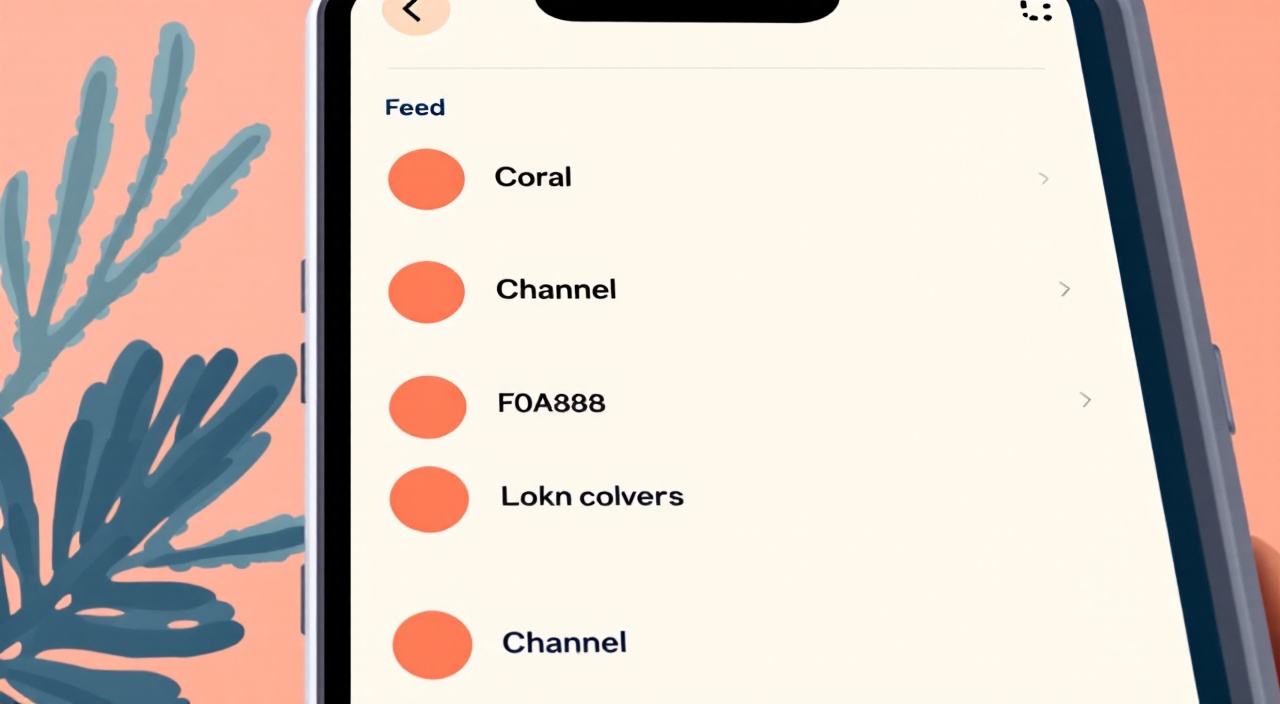
A Channel exists in its own dedicated space inside the app, separate from your personal chats. WhatsApp Channels let businesses broadcast updates to unlimited followers through a one-way feed in the Updates tab. CreatorFlow
📊 STAT: This tool has already reached real scale. Over 500 million monthly active users already use Channels, with the Updates tab reaching 1.5 billion daily users. CreatorFlow
Why This Matters More Than People Realize
Why should a small brand care about this at all?
WhatsApp Channels combine three things that rarely show up together: it is free, it reaches people directly, and almost no small brand in your space is using it yet.
The open rate gap between WhatsApp and email is large, even using the most honest, measured numbers available. The honest, measured open rate is around 60 to 68 percent, not the "98 percent" you see quoted everywhere, and still far ahead of email. Ssemble
This is an important detail to get right, since a lot of marketing content online repeats an inflated number. You will see "95 to 98 percent open rates" repeated across the internet. Be skeptical. The credible, measured open rate for WhatsApp campaigns sits around 60 to 68 percent, with Braze reporting 68 percent across its customer base. Ssemble
Even with the more honest number, the gap is still huge compared to other channels. Open rate (2026): about 60 to 68 percent on WhatsApp broadcasts (measured) versus about 20 to 25 percent on email. Click rate (2026): about 15 to 25 percent on WhatsApp broadcasts versus about 2 to 3 percent on email. Ssemble
💡 PRO TIP: Do not repeat the "98% open rate" claim if you talk about WhatsApp Channels with anyone on your team. The real number is still excellent, just more honest, and it protects your credibility if anyone checks the source.
⚠️ WARNING: This high open rate is exactly why WhatsApp enforces strict rules around spam and quality. One bad, low value broadcast can damage your standing on the platform, so this channel rewards careful use, not constant posting.
How Channels Differ From Groups and Broadcast Lists
What is the difference between a Channel, a Group, and a Broadcast List?
These are three separate tools inside WhatsApp, and using the wrong one for the wrong job is one of the most common mistakes small brands make.
Key differences: Channels = public broadcast (unlimited), Groups = two-way discussion (1,024 max), Broadcast Lists = private messages (256 max). CreatorFlow
A simple way to think about this comes from a guide built specifically for small e-commerce brands. The decision framework is straightforward. Use a Channel when you want to reach a large public audience with announcements and updates. Use a Group when you need two-way discussion among a defined community. Use a Broadcast List when you want to send personalised, private messages to a smaller list of contacts. CreatorFlow

Most growing brands end up using more than one of these tools at once, each for a different job. Most e-commerce businesses benefit from running at least two: a Channel for public-facing content (product launches, offers, behind-the-scenes) and a Broadcast List or dedicated WhatsApp Broadcast Lists strategy for targeted promotions to existing customers. Outfame
The cleanest mental model to keep in mind is this. The clearest mental model: Channels are a megaphone, Newsletter is a one-to-one CRM. Each does one job well. Outfame
Use a Channel for — product drops, brand updates, polls, general announcements to anyone who follows
Use a Group for — small, defined communities where two-way conversation actually matters
Use a Broadcast List for — personal, targeted messages to existing customers, like abandoned cart reminders
How to Set Up Your First Channel
How do I actually create a WhatsApp Channel for my brand?
Setting up a Channel is simple once your app is updated, but a few early decisions matter more than people expect, especially around which phone number to use.
WhatsApp Channels has begun rolling out but isn't available to everyone yet. Join the waitlist to be notified when WhatsApp Channels is available to you. Where channels is available, we're rolling out new features gradually. Adpicto
If your account already has access, the setup steps are straightforward. Just Update your WhatsApp from the App Store or Google Play Store, and you will get a prompt to agree to Meta's terms. Once agreed, the Status tab will change to "Updates", and you can see both your contact's Status updates and the new Channels section. PostEverywhere
One setup decision matters more than people expect. Choosing the right number to host your Channel protects your team's privacy. The admin account hosting the Channel is a normal WhatsApp account. The phone number is not displayed publicly to followers, but it is visible to Meta. Most brands host Channels on a dedicated phone number that is not the personal number of any team member. Ampfluence
Picking the right category also affects how easily new people can find your Channel. Category fit. Pick a category that maps tightly to your product (Fashion, Beauty, Sports, Food, Travel). Ampfluence
📊 STAT: Discovery inside WhatsApp's own directory depends on a few specific signals worth knowing upfront. Follower growth velocity in the first 7 days after launch. Reaction rate per post as a soft engagement signal. Post frequency, with a minimum threshold below which Channels are deprioritized. Ampfluence
⚠️ WARNING: Do not launch your Channel quietly and hope people find it. Outside the directory, the bigger discovery driver is the share link. Channels are shared inside chats and groups frequently because the format is lightweight. Brands that put the Channel link on packaging, in the WhatsApp link of their bio, and in checkout confirmation emails typically grow 3 to 5x faster than directory-only Channels. Ampfluence
Want help planning content that fits every channel you use?
Ready to follow along? Create your first AI video for free.
SnapReel AI helps small brands plan consistent content across platforms, including channels like WhatsApp that often get overlooked.
No credit card required • 2-min setup • 2,000+ small brands already using it
What to Actually Post
What kind of content actually works on a WhatsApp Channel?
A mix of product updates, light brand content, and the occasional direct offer works best. Posting too much pure sales content tends to get muted fast by followers.
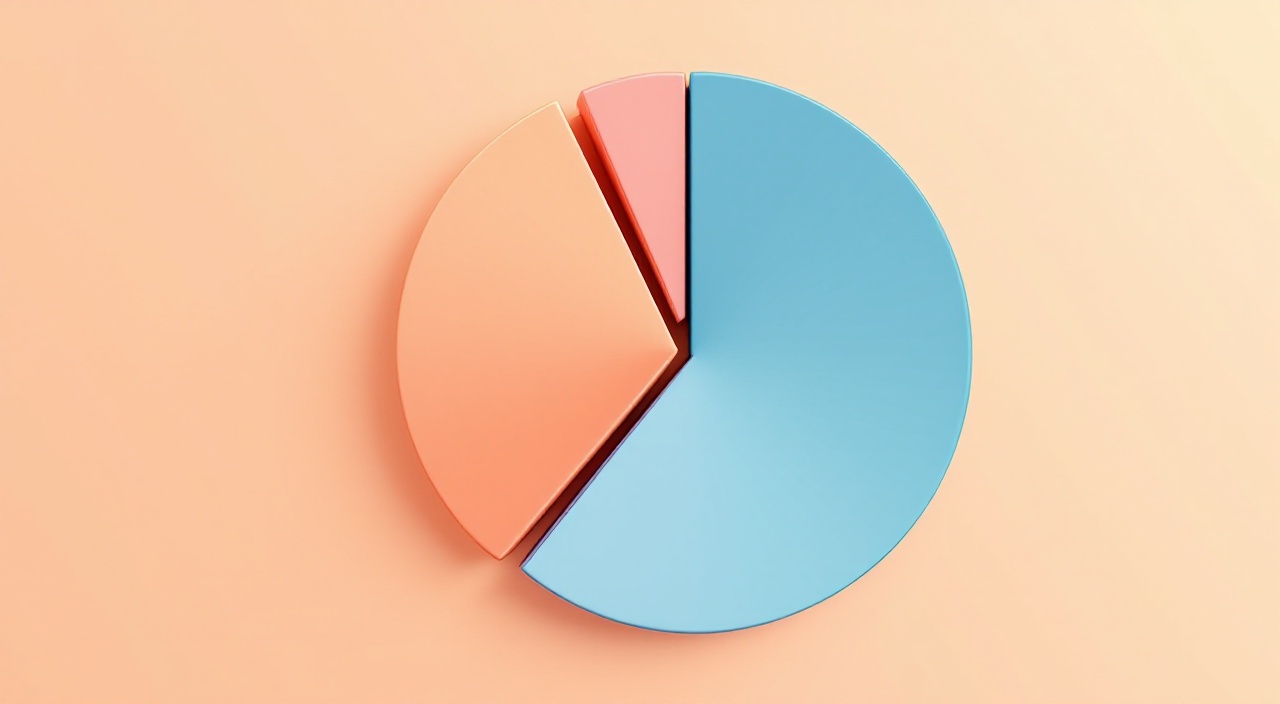
A clear, tested content mix comes from a detailed breakdown built for Shopify brands specifically. Content mix. 60% product (drops, restocks, looks), 30% brand (behind-the-scenes, founder, customer features), 10% direct sales. Pure-sales Channels get muted fast. Ampfluence
Posting frequency matters too, and more than one source agrees on a similar range. Best posting frequency: 2-4 times per week with a mix of product updates, polls, and educational content. CreatorFlow
A second guide built specifically around Channels backs up a very similar number. Frequency. 3 to 5 posts per week. Daily is too much. Less than 2 and you fall out of the directory ranking. Ampfluence
Polls are worth using more often than most brands realize, since the engagement lift is significant. Polls every 2 to 3 weeks. Triples reactions on surrounding posts and surfaces variant preferences. Ampfluence
Visual content also performs better than plain text on this format. Multimedia: Use images and videos. Pure text walls get overlooked. Viral
Lead with an image or short video — the visual carries the message, captions should stay short
Keep captions to one to three sentences — followers scroll fast, so get to the point quickly
Run a poll every few weeks — this drives engagement on the posts around it, not just the poll itself
Always include a clear next step — tell followers exactly what to do, whether that is replying, clicking, or shopping
Mix in behind-the-scenes content — pure sales messages get muted, but real brand moments keep people engaged
💡 PRO TIP: Since all Channel content disappears after 30 days, always link out to something permanent. Always link to permanent resources (your blog, product pages, landing pages) so the value outlasts the post. CreatorFlow
Build a content calendar that works across platforms.
Ready to follow along? Create your first AI video for free.
SnapReel AI helps you plan a steady mix of content, so your WhatsApp Channel never feels like an afterthought next to your other platforms.
No credit card required • 2-min setup • 2,000+ small brands already using it
Common Mistakes to Avoid
What mistakes make a WhatsApp Channel fail?
The most common mistake is treating the Channel like a sales-only billboard. The second most common mistake is going quiet for weeks at a time.
A clear list of pitfalls comes from a guide built around real small business use of Channels. Spam: Anyone sending 5 messages daily gets muted immediately. Boredom: Don't simply copy your Facebook posts. Dead Ends: Never post without a Call-to-Action (CTA). Viral
Consistency matters just as much as the content itself. Post consistently. The directory algorithm rewards active Channels. Going silent for two weeks pushes you down in category rankings. Outfame
⚠️ WARNING: Do not copy the exact same posts you use on Instagram or Facebook onto your Channel without any changes. Followers who join your Channel expect something slightly different, not a duplicate feed.
There is also a newer rule worth knowing if you plan to connect any chatbot to your Channel's traffic. Meta has announced that starting January 2026, 'General Purpose AI Chatbots' (like a general ChatGPT clone) will be banned on the WhatsApp Business platform. However, specialized bots for customer service, sales, and specific business processes remain explicitly permitted and desired. Viral
This means if you plan to automate replies to questions coming from your Channel, the bot needs a clear, specific purpose, not a generic chat assistant.
FAQ
Yes. Creating and posting to a WhatsApp Channel is completely free, with no follower limit. There is no cost to set one up or to post regular updates.
Most guidance points to about two to five posts per week. Posting daily can feel like too much, while posting less than twice a week can hurt how your Channel ranks in WhatsApp's own directory.
That figure is widely repeated but appears inflated. More credible, measured data shows open rates around 60 to 68 percent, which is still far higher than the roughly 20 percent typical for email.
A Channel is a public, one-way feed anyone can follow, with no limit on followers. A Broadcast List sends private, personalized messages to a smaller list of contacts, capped at 256 people on the free app.
This is a built-in privacy design choice, not a bug. Brands should plan around it by repurposing strong content regularly and always linking out to a permanent page, like a website or product listing.
Yes, but only specialized bots built for a specific task like customer support or sales. General-purpose AI chatbots have been restricted on the WhatsApp Business platform as of January 2026.
Wrap Up
WhatsApp Channels are sitting right inside an app most of your customers already check every day, and most small brands have never even opened one. It costs nothing to create, reaches people at a rate most other channels cannot match, and almost none of your competitors are likely using it well yet.
The brands that win here are not the ones posting the most. They are the ones posting consistently, mixing real content with the occasional offer, and giving people a clear reason to keep following. If your brand has not tried this yet, it may be one of the easiest, lowest cost channels left to test in 2026.
Plan content that works across every channel you use.
Ready to follow along? Create your first AI video for free.
✓ Helps you plan consistent content beyond just Instagram and TikTok
✓ Keeps your messaging fresh across every platform you post on
✓ Built for small product brands, not big marketing teams
Free forever plan • No credit card • 2-min setup