How to Create a Winning Instagram Bio for a Small Product Brand in 2026
SnapReel
June 17, 2026 · 14 min read
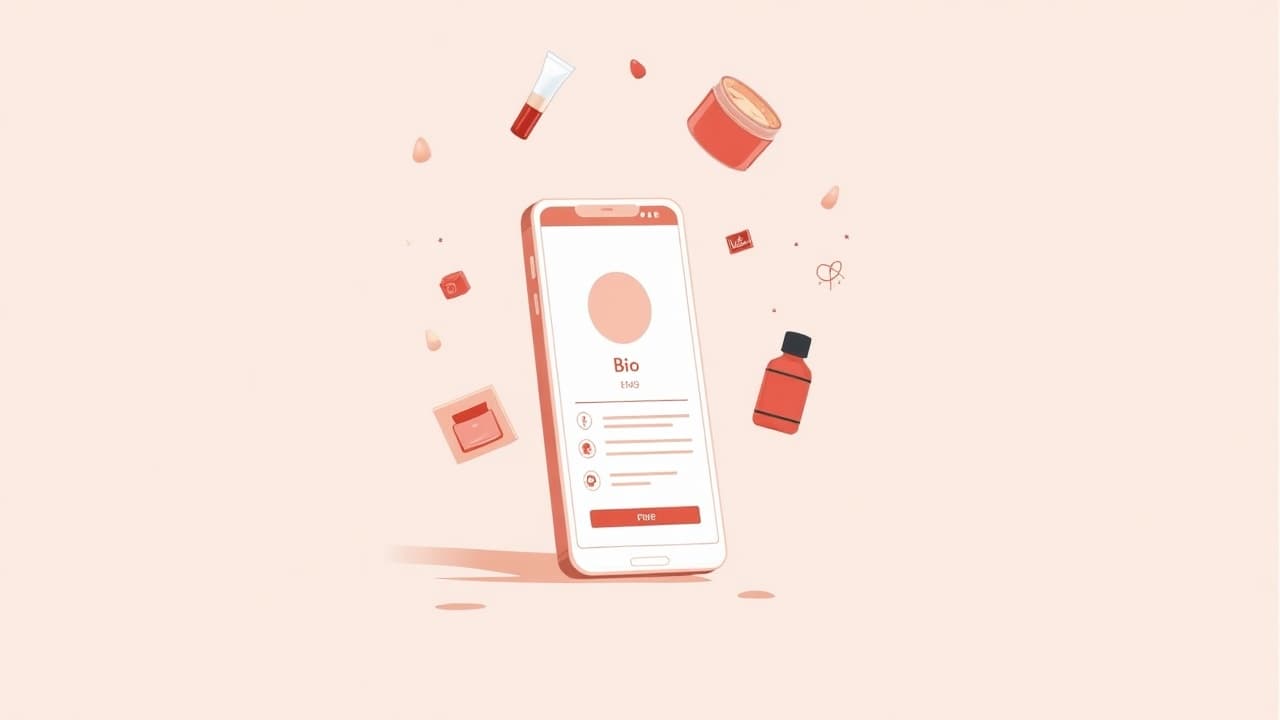
Table of Contents
- 1.
- 2.
- 3.
- 4.
- 5.
- 6.
- 7.
- 8.
- 9.
How to Create a Winning Instagram Bio for a Small Product Brand in 2026 [Step-by-Step]
Your Instagram bio gets 150 characters to convince a stranger to follow your brand. According to Instagram's 2025 data, users spend an average of 2.3 seconds on a profile before deciding to follow or leave.
Most small product brands waste those 150 characters. They stuff in generic taglines, meaningless emojis, and vague descriptions that could apply to any brand in any industry. The result is a bio that blends in instead of standing out.
This guide breaks down exactly how to write an Instagram bio that converts profile visitors into followers and followers into customers. You will learn the four essential components every small product brand bio needs, see real examples that work, and get a plug-and-play formula you can apply in under 10 minutes. If you want your social media presence to grow on autopilot, start with the fundamentals.
🎯 KEY TAKEAWAYS
- The best Instagram bios answer one question immediately: what does this brand sell and why should I care?
- 150 characters is enough when you eliminate filler words and focus on specificity over cleverness.
- Your bio link strategy matters more than most brands realize because it is the only clickable path from Instagram to your store.
- Small product brands should prioritize clarity and credibility over personality in their bio because trust drives purchases.
Why Your Instagram Bio Matters More in 2026
Instagram's algorithm has shifted heavily toward discovery in 2026. The Explore page and Reels feed now drive more profile visits than ever before. Meta's Q1 2026 report showed that 67% of profile visits come from users who have never interacted with the brand before.
That means your bio is not just introducing your brand to followers. It is introducing your brand to cold traffic. People who stumbled across one of your Reels or appeared in their Explore feed.
Here is the kicker:
These cold visitors have zero context about who you are. They saw a 15-second video, liked it, and clicked your profile. Your bio has to do all the heavy lifting in explaining what you sell, why it matters, and what they should do next.
What makes a winning Instagram bio different from a regular bio?
A winning Instagram bio prioritizes conversion over cleverness. It clearly states what the brand sells, includes at least one credibility signal like customer count or press mention, and provides a specific call-to-action with a working link. Regular bios focus on being witty or vague, which wastes the 150 characters on content that does not drive follows or sales.

The difference shows up in the numbers. Brands with specific, benefit-focused bios see 23% higher follow rates from profile visits compared to brands with generic tagline-style bios, according to a 2025 Later study of 10,000 small business accounts.
💡 PRO TIP: Test your bio by reading it out loud to someone who has never heard of your brand. If they cannot immediately tell you what you sell, your bio needs work. Clarity beats creativity for small product brands.
The Four Components of a High-Converting Bio
Every winning Instagram bio for a small product brand contains four components. Miss one and your conversion rate drops. Include all four and you maximize your chances of turning a profile visitor into a follower and a follower into a customer.
What should the first line of your Instagram bio say?
The first line of your Instagram bio should state exactly what you sell using specific product language. Avoid category descriptions like "we sell skincare" and instead use product-specific language like "Vitamin C serums for sensitive skin" or "handmade soy candles under $25." Specificity builds instant clarity.
- Component 1: Product clarity tells visitors exactly what you sell in specific terms, not vague category language.
- Component 2: Differentiation explains what makes your product different from the hundreds of similar options they could buy elsewhere.
- Component 3: Credibility signal provides social proof through customer counts, press mentions, awards, or founder credentials.
- Component 4: Call-to-action tells visitors exactly what to do next with a clear directive and working link.
Most small brands nail component one but miss the other three. They tell you what they sell but never explain why their version is worth buying over a competitor's.
The truth is:
Differentiation matters more for small brands than big brands. When you are competing against established players with bigger budgets and more reviews, your bio needs to immediately communicate why someone should take a chance on you.
📊 STAT: Small product brands that include at least one credibility signal in their bio see 31% higher link click rates compared to bios without social proof, according to Sprout Social's 2025 Small Business Report.
Instagram Bio Formula for Small Product Brands
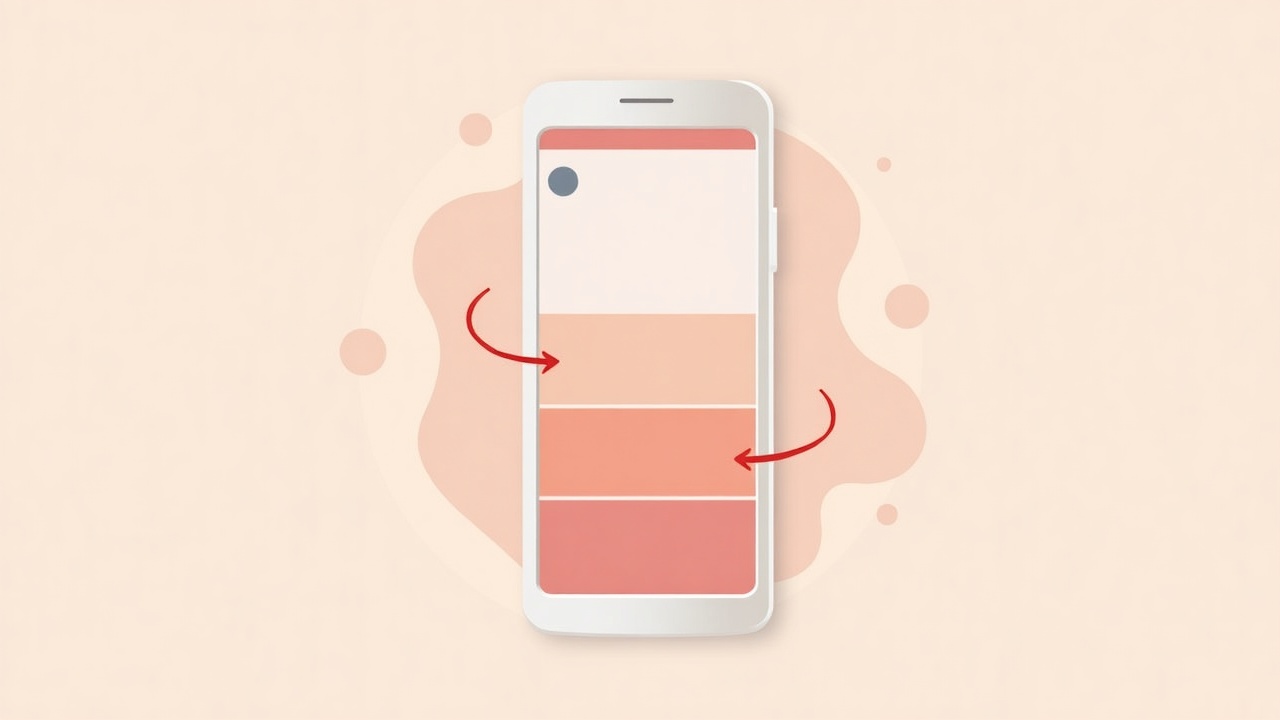
Here is the formula that works for small product brands in 2026. It packs all four components into 150 characters while remaining scannable and clear.
Line 1: [Specific product] for [specific audience]
Line 2: [Key differentiator or benefit]
Line 3: [Credibility signal]
Line 4: [CTA] ⬇️
Let us break this down:
How do you write a product description that fits in an Instagram bio?
Write your product description by combining your most specific product type with your most specific customer type. Instead of "jewelry for women," write "sterling silver rings for minimalist style." Instead of "pet supplies," write "organic dog treats for sensitive stomachs." Specificity attracts the right followers and repels the wrong ones.
Here is an example for a candle brand:
Hand-poured soy candles under $30
60+ hour burn time, non-toxic wax
Loved by 12,000+ customers
Shop our best sellers ⬇️
Notice what this bio does not include. No emojis in the product line. No vague phrases like "made with love" or "passion project." No founder story. Those belong on your About page. Your bio is for conversion, not storytelling.
- Avoid filler phrases like "we believe in quality" or "premium products" because every brand says this and it means nothing.
- Use numbers whenever possible because specific numbers are more credible than vague claims.
- Include pricing signals if your price point is a competitive advantage because it pre-qualifies visitors.
- Place your CTA last with a downward arrow emoji pointing to your link because it guides the eye naturally.
Want your brand to post daily while you focus on your bio and strategy?
Create AI-powered videos and auto-post to all your platforms.
SnapReel AI handles the content creation and posting so you can spend time on high-impact work like perfecting your bio and brand strategy. Set up once and your brand posts Reels daily on autopilot.
No credit card required • 2-min setup • 2,000+ small brands already using it
Real Examples from Successful Small Brands
Theory is helpful. Examples are better. Here are three real Instagram bios from small product brands that follow the winning formula and convert well.
What do the best small brand Instagram bios have in common?
The best small brand Instagram bios share three traits: they lead with specific product language rather than category terms, they include at least one number as a credibility signal, and they end with a clear call-to-action that directs visitors to a specific destination. None of them prioritize being clever over being clear.
Example 1: Skincare brand
Bakuchiol serums for retinol-sensitive skin
Dermatologist-developed, vegan
Featured in Allure + Byrdie
Shop clinical skincare ⬇️
This bio works because it solves a specific problem, retinol sensitivity, includes credibility through press mentions, and uses professional language that matches a skincare buyer's expectations.
Example 2: Home goods brand
Handwoven throw blankets, ethically made
100% organic cotton, GOTS certified
5,000+ homes and counting
Free shipping on orders $75+ ⬇️
This bio works because it combines product specificity with certification credibility and adds a promotional hook at the end that encourages higher cart values.
Example 3: Food brand
Keto granola that actually tastes good
2g net carbs per serving
4.9 stars from 8,000+ reviews
Try our bestseller ⬇️
This bio works because it addresses the main objection in the keto food space, taste, while backing up claims with specific nutrition data and review volume.
⚠️ WARNING: Do not copy these bios word-for-word. Instagram's algorithm may flag duplicate content across accounts. Use these as structural templates and fill in your own product details, credibility signals, and calls-to-action.
Your Instagram Bio Link Strategy in 2026
Your bio link is the only clickable path from Instagram to your store. In 2026, small brands have several options for their link strategy, and the right choice depends on your goals.
Should small brands use Linktree or direct product links?
Small product brands should test both approaches. Linktree-style pages work well if you have multiple destinations like a shop, blog, and email signup. Direct product links work better if you have one hero product or a current promotion. The key metric is link click-to-purchase conversion rate, not total link clicks.
- Direct shop link works best for brands with one hero product or a simple product line because it reduces friction.
- Linktree or Stan Store works best for brands with multiple destinations like shop, TikTok, email signup, or current promotion.
- Instagram Shopping tag works best for brands approved for Instagram Checkout because users can buy without leaving the app.
- Custom landing page works best for brands running specific campaigns because you can track conversion from Instagram specifically.
What does that mean for your brand?
If you are running a promotion or launching a new product, switch to a direct link. If you are in maintenance mode and want to capture different visitor intents, use a link-in-bio tool. The mistake is picking one approach and never testing the other.
💡 PRO TIP: Change your bio link monthly to match your current focus. If you are pushing a new product launch, link directly to that product. If you are building your email list, link to a signup page. Your bio link should be dynamic, not static.
Your bio brings visitors to your profile. But what keeps them following?
Create AI-powered videos and auto-post to all your platforms.
A strong bio converts visitors into followers. But consistent, branded content keeps them engaged. SnapReel AI posts Reels daily so your profile always looks active when new visitors arrive.
No credit card required • 2-min setup • 2,000+ small brands already using it
Common Bio Mistakes That Kill Conversions
Some bio mistakes are obvious. Others are subtle but just as damaging. Here are the five most common mistakes small product brands make and how to fix them.
What is the biggest Instagram bio mistake small brands make?
The biggest Instagram bio mistake small brands make is writing for existing customers instead of new visitors. Your followers already know who you are. Your bio needs to convert cold traffic from Explore and Reels. Write your bio for someone who has never heard of you and needs to understand your value in under three seconds.
- Mistake 1: Vague category language like "boutique" or "lifestyle brand" tells visitors nothing specific and sounds identical to thousands of competitors.
- Mistake 2: Inside jokes or references that existing followers understand but new visitors do not, which alienates cold traffic.
- Mistake 3: No credibility signal forces visitors to trust you blindly when a simple number or mention would reduce risk.
- Mistake 4: Broken or outdated links waste every click you earned and make your brand look unprofessional.
- Mistake 5: Emoji overload clutters your bio and makes it harder to scan for the information visitors actually need.
And it gets better.
Most of these mistakes are easy to fix in under five minutes. Swap vague language for specifics. Add one number. Check your link monthly. Remove decorative emojis that do not add meaning.
📊 STAT: 17% of small brand Instagram profiles have broken or expired bio links at any given time, according to a 2025 audit by Tailwind. That represents thousands of wasted clicks daily.
How to Test and Optimize Your Instagram Bio
Your first bio attempt will not be your best bio. The brands with the highest-converting bios treat their bio as a testing ground, not a set-and-forget element.
How often should you update your Instagram bio?
Small product brands should review their Instagram bio monthly and update it whenever they have new credibility signals, promotions, or product launches. A static bio misses opportunities to highlight fresh social proof or seasonal campaigns. The brands with the best bio conversion rates update their bio at least once per quarter.
- Test your headline by swapping between benefit-focused and product-focused first lines and comparing profile-to-follow conversion rate.
- Test your credibility signal by rotating between customer count, press mention, and review rating to see which drives more trust.
- Test your CTA language by trying "Shop now" versus "See bestsellers" versus "Get yours" to find what resonates.
- Track your link clicks in Instagram Insights and compare week-over-week to identify which bio changes improve performance.
Now you might be wondering:
How do you actually track bio performance? Instagram Insights shows profile visits and website clicks. Divide website clicks by profile visits to get your bio click-through rate. A good benchmark for small product brands is 3-5% click-through rate. Above 5% is excellent.
⚠️ WARNING: Do not change your entire bio at once. Change one element at a time and wait at least one week before measuring results. Changing multiple elements makes it impossible to know what drove any improvement or decline.
Putting It All Together
Your Instagram bio is not just a description. It is a conversion tool. The brands that treat it seriously see measurably better results in followers, link clicks, and ultimately sales.
Start with the four-component formula: product clarity, differentiation, credibility signal, and call-to-action. Write for cold traffic, not existing fans. Test one element at a time and track your click-through rate monthly.
A strong bio works best when paired with consistent content that keeps your profile active and engaging. Visitors who land on a profile with fresh, branded Reels are more likely to follow than visitors who see a stale feed with posts from weeks ago. That is where autonomous tools like SnapReel AI become valuable because they keep your content flowing while you focus on strategy.
Ready to pair your optimized bio with daily branded content?
Create AI-powered videos and auto-post to all your platforms.
✓ Fully autonomous daily posting with no prompts, no scheduling, and no daily decisions required
✓ Branded Reels generated from your product information and posted to Instagram, TikTok, and YouTube Shorts
✓ Free forever plan included with no credit card required to start
Free forever plan • No credit card • 2-min setup
FAQ
Use as much of the 150 character limit as you need to include all four components: product clarity, differentiation, credibility signal, and call-to-action. Most winning bios use 120-150 characters. Shorter is fine if you can fit everything, but do not sacrifice clarity for brevity.
No, your brand name already appears as your profile name. Use your 150 characters for information that converts visitors, not redundant identification. Every character spent repeating your name is a character wasted on something that could drive a follow or click.
Use one to three emojis maximum, and only if they add meaning or visual direction. A downward arrow pointing to your link is useful. A row of decorative emojis clutters your bio and makes it harder to scan. When in doubt, remove the emoji and keep the text.
A good click-through rate for small product brands is 3-5% of profile visitors clicking your bio link. Above 5% is excellent. Below 2% suggests your bio or CTA needs work. Track this metric in Instagram Insights by dividing website clicks by profile visits.
Yes, updating your bio during product launches is smart because it directs profile visitors to your current priority. Swap your evergreen link for a launch-specific landing page and update your CTA to mention the new product. Revert after the launch period ends.
Instagram bios have limited SEO impact because Instagram profiles are not heavily indexed by Google. However, including relevant keywords in your bio helps Instagram's internal search function surface your profile when users search for your product category within the app.