What Is the YouTube Shorts Algorithm in 2026 — And How Small Brands Can Leverage It
SnapReel
June 18, 2026 · 16 min read

Table of Contents
- 1.
- 2.
- 3.
- 4.
- 5.
- 6.
- 7.
- 8.
- 9.
- 10.
What Is the YouTube Shorts Algorithm in 2026 — And How Small Brands Can Leverage It [Updated May 2026]
YouTube Shorts now generates 70 billion daily views globally. For small product brands, that represents the largest organic reach opportunity since early Instagram. But most small brands are still posting Shorts the same way they did in 2023 — and wondering why nothing takes off.
The problem is not your content quality. It is that the YouTube Shorts algorithm changed fundamentally in late 2025, and the tactics that worked before now actively hurt your reach. Small brands posting inconsistently or repurposing long-form content without adaptation are being deprioritized by the new system.
This guide breaks down exactly how the YouTube Shorts algorithm works in 2026, what signals it prioritizes for small brand content, and the specific tactics that are driving results for product businesses right now. You will walk away knowing exactly what to change in your Shorts strategy this month.
🎯 KEY TAKEAWAYS
- The 2026 algorithm prioritizes — watch time percentage and session depth over raw view counts, making engaging content more important than viral hooks.
- Small brands have an advantage — niche relevance signals mean targeted product content can outperform generic viral attempts in your specific audience's feed.
- Posting consistency matters more — the algorithm rewards channels posting 5-7 Shorts weekly with sustained reach, while sporadic posting triggers reach suppression.
- Automation is the unlock — brands using autonomous posting tools maintain the consistency the algorithm demands without daily content creation time.
How the YouTube Shorts Algorithm Actually Works in 2026
The YouTube Shorts algorithm is not a single system. It is a series of recommendation models that decide which Shorts appear in the Shorts feed, search results, and suggested content. Each model weighs different signals, but they all share one goal: maximize viewer session time on YouTube.
Here is the kicker:
YouTube does not optimize for individual video views. It optimizes for how long a viewer stays on the platform after watching your Short. A video that gets someone to watch three more Shorts is more valuable to YouTube than a video with double the views that causes viewers to close the app.
What changed in the YouTube Shorts algorithm in late 2025?
YouTube's late 2025 algorithm update shifted primary weighting from engagement rate to watch time percentage and session depth. This means Shorts that viewers watch completely and that lead to continued viewing are now prioritized over Shorts with high likes or comments but lower completion rates. The update also introduced stronger niche relevance matching.
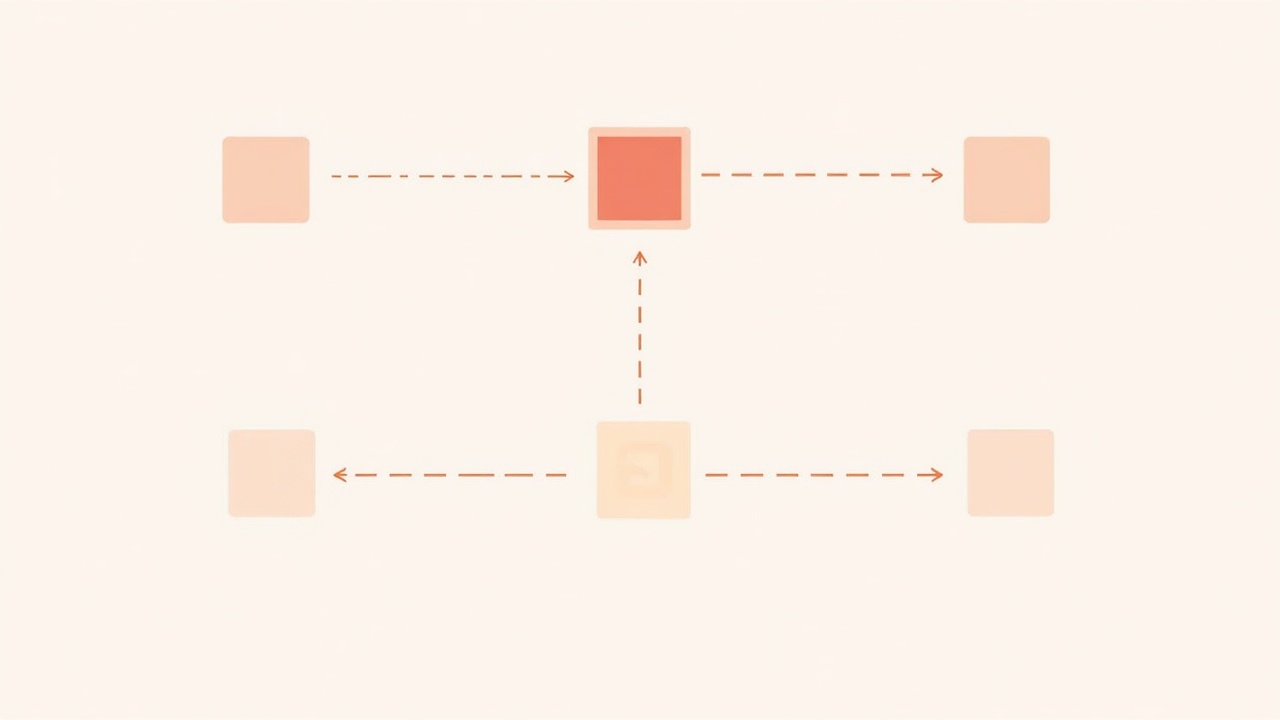
The practical impact for small brands is significant. Before this update, going viral required mass appeal. Now, the algorithm actively seeks content that specific audience segments will watch completely. A Short about handmade ceramics that potters watch three times has more algorithmic value than a generic trend video that casual viewers scroll past after two seconds.
This is why product brands are seeing better results in 2026. Your content naturally appeals to a specific buyer. The algorithm now rewards that specificity instead of penalizing it.
The Five Signals That Determine Your Shorts Reach
YouTube has never published a complete list of ranking factors. But through testing and official creator updates, we know the primary signals the Shorts algorithm weighs in 2026.
What are the most important YouTube Shorts algorithm signals in 2026?
The five primary signals are watch time percentage, session depth contribution, engagement velocity in the first hour, viewer retention curve shape, and niche relevance matching. Watch time percentage and session depth now outweigh traditional engagement metrics like likes and comments in determining reach.
Let us break this down:
- Watch time percentage — the portion of your Short viewers actually watch. A 30-second Short watched for 25 seconds scores higher than a 60-second Short watched for 40 seconds. Shorter is often better.
- Session depth contribution — how many more videos viewers watch after yours. YouTube tracks whether your Short keeps people in the app or sends them away.
- Engagement velocity — likes, comments, shares, and saves in the first 60 minutes after posting. Fast engagement signals relevance and triggers wider distribution.
- Retention curve shape — not just average watch time, but where viewers drop off. A Short with steady retention beats one with a sharp drop at the three-second mark.
- Niche relevance matching — how well your content matches the interests of viewers YouTube shows it to. Mismatched distribution hurts both your video and future reach.
💡 PRO TIP: Check your YouTube Studio retention graphs for each Short. If you see a sharp drop in the first three seconds, your hook is not landing. If you see a drop at the end, viewers are not watching your call-to-action. Fix the specific drop-off point rather than changing your entire content style.
The truth is:
Most small brands focus entirely on engagement — trying to get more likes and comments. But engagement is the third priority signal. Watch time and session depth matter more, and both improve when you make content your specific audience genuinely wants to watch.
Why Small Brands Have a Hidden Algorithm Advantage
Large creators and media companies have a reach problem on Shorts that small brands do not. Their audiences are broad and undefined. When YouTube's algorithm tries to match their content with viewers, it often shows the content to people who are not genuinely interested — which tanks watch time percentage.
Small product brands have inherent niche relevance. Your content is about a specific product category. The people who care about that category watch your content completely. The algorithm learns quickly who to show your Shorts to.
How does niche relevance help small brands on YouTube Shorts?
YouTube's 2026 algorithm uses niche relevance matching to show content to viewers most likely to watch it completely. Small product brands have naturally defined audiences based on their product category. This specificity helps the algorithm distribute content accurately, leading to higher watch time percentages and better sustained reach.
Here is an example:
A skincare brand posting about ingredient benefits will be shown to viewers interested in skincare. Those viewers watch the entire Short because the content matches their interest. The algorithm registers high watch time percentage and shows the next Short to more skincare-interested viewers.
A generic content creator posting about skincare trends gets shown to their general audience. Many of those viewers skip the content because they follow the creator for other reasons. The algorithm registers low watch time percentage and limits distribution.
📊 STAT: YouTube's creator research team reported that niche-focused channels under 10,000 subscribers saw 34% higher average watch time percentage on Shorts than channels over 100,000 subscribers posting similar content. Source: YouTube Creator Insider, February 2026.
What does that mean for your brand?
Stop trying to make viral content. Make content your actual buyers want to watch. The algorithm will reward you more consistently than it rewards viral attempts, and the viewers you reach will actually be potential customers.
Small brands are winning on Shorts by posting consistently to niche audiences.
Create AI-powered videos and auto-post to all your platforms.
SnapReel AI creates branded Shorts from your product information and posts them automatically. Your content reaches the right audience while you focus on running your business.
No credit card required • 2-min setup • 2,000+ small brands already using it
Posting Frequency and Consistency Requirements
The YouTube Shorts algorithm rewards consistency more heavily in 2026 than any previous year. This is the part most small brands get wrong — and the reason most give up on Shorts before seeing results.

How often should small brands post YouTube Shorts in 2026?
YouTube's algorithm data shows optimal results for small brands posting between five and seven Shorts per week. Channels posting fewer than three times weekly see reduced algorithmic distribution over time. The consistency of posting schedule matters more than hitting a specific daily number.
Here is where most small brands fail:
A founder gets excited about Shorts, posts five videos in one week, then posts nothing for three weeks. The algorithm interprets this as an inactive channel and reduces distribution. When they post again, their reach is lower than before.
YouTube tracks posting patterns. Consistent channels receive priority distribution because the algorithm knows their content will continue. Sporadic channels are deprioritized because featuring them risks showing viewers content from a channel that might disappear.
- 5-7 Shorts per week — the optimal range for small brands based on 2026 algorithm behavior. More than seven offers diminishing returns unless content quality remains high.
- Consistent daily timing — posting at the same time each day trains the algorithm and your audience. Your subscribers begin expecting content at that time.
- No gaps longer than 48 hours — missing two consecutive days signals reduced activity. Try to maintain at least every-other-day posting.
- Quality over quantity threshold — posting seven low-quality Shorts performs worse than posting four high-quality ones. The algorithm measures engagement per video, not total volume.
⚠️ WARNING: Do not try to catch up on missed posting days by publishing multiple Shorts at once. The algorithm interprets bulk posting negatively. If you miss a day, post one Short the next day and continue your normal schedule.
But here is the problem:
Small brand founders do not have time to create five to seven Shorts every week. You are running a business. Social media is one of dozens of priorities. The consistency the algorithm requires conflicts directly with the time you have available.
This is why automation has become essential for small brands on Shorts. The algorithm demands consistency that manual posting cannot realistically deliver for a one-person or small team operation.
How to Leverage the Algorithm Without Daily Content Work
Small brands succeeding on YouTube Shorts in 2026 share one characteristic: they have removed daily content creation from their workflow. They are either batch-creating weeks of content in advance or using automation tools that generate and post content for them.
What is the most effective way for small brands to maintain Shorts consistency?
The most effective approach for small product brands is autonomous content automation. Tools like SnapReel AI generate branded Shorts from product information and post them automatically on schedule. This maintains the five to seven posts per week the algorithm rewards without requiring daily content creation time from the founder.

Here is how the two approaches compare:
| Approach | Time Required | Consistency | Best For |
|---|---|---|---|
| Manual daily posting | 1-2 hours daily | Often inconsistent | Full-time content creators |
| Batch creation | 4-6 hours weekly | Moderate | Brands with dedicated social media time |
| Autonomous automation | 30 min setup | Perfect consistency | Founders without daily social media time |
Batch creation works if you can dedicate half a day weekly to filming and editing. You create two weeks of content at once, schedule it, and return in two weeks to do it again. This is the approach most social media advice recommends.
But here is the kicker:
Most small brand founders cannot protect that batch creation time. Customer issues, supplier problems, and product development eat the scheduled content day. One missed batch day creates a two-week gap that damages algorithmic standing.
Autonomous automation solves this completely. Tools like SnapReel AI take your product information once and generate branded Shorts continuously. The content posts on schedule whether you have a busy week or not. The algorithm receives the consistency it rewards while you focus on running your business.
What if your Shorts posted every day without you creating anything?
Create AI-powered videos and auto-post to all your platforms.
SnapReel AI generates branded YouTube Shorts from your product information and posts them automatically. Set up once and maintain perfect posting consistency on autopilot.
No credit card required • 2-min setup • 2,000+ small brands already using it
Optimizing Content for the 2026 Shorts Algorithm
Beyond consistency, specific content optimizations help the algorithm favor your Shorts. These are the tactics small brands are using to improve watch time percentage and session depth contribution.
How should small brands structure YouTube Shorts for better algorithm performance?
Structure Shorts with a hook in the first second, deliver value by the three-second mark, and complete your message before the 45-second point. The algorithm tracks retention curves, and Shorts between 30 and 45 seconds currently show the highest average completion rates for product content.
The first three seconds determine everything. YouTube shows your Short to a small test audience first. If that audience scrolls past quickly, the algorithm stops distribution. If they watch, it expands distribution.
- Start with movement — static opening frames cause immediate scrolls. Begin with product in motion, a hand reaching for something, or visual change.
- Front-load the value — do not build to your point. State it immediately. Viewers decide in two seconds whether to keep watching.
- Use native text overlays — text on screen increases watch time because viewers read while watching. Use YouTube's native text tools rather than burned-in text.
- End before the natural end — cut your Short slightly early so viewers watch the loop restart. This increases watch time percentage beyond 100%.
💡 PRO TIP: Test ending your Shorts at the 28-second mark instead of filling the full 60 seconds. Shorter Shorts with higher completion rates currently outperform longer Shorts with partial views. A 30-second Short watched completely scores higher than a 60-second Short watched halfway.
Audio matters more in 2026 than before. YouTube's algorithm now analyzes audio to categorize content. Using trending sounds helps initial distribution, but original audio helps long-term because the algorithm associates the sound with your brand specifically.
The truth is:
Product content does not need trending dances or memes. Simple demonstrations, ingredient explanations, and behind-the-scenes moments perform well because they match what your specific audience wants to see. Authenticity often beats trends for niche product content.
Measuring Algorithm Performance for Your Brand
YouTube Studio provides the data you need to understand how the algorithm treats your Shorts. But most small brands look at the wrong metrics.
What metrics should small brands track for YouTube Shorts algorithm performance?
Focus on watch time percentage, average view duration, traffic source breakdown, and subscriber conversion rate. View counts matter less than completion rates. A Short with 1,000 views and 90% average watch time signals better algorithm standing than a Short with 10,000 views and 30% average watch time.
And it gets better.
YouTube shows you exactly where your traffic comes from. If most views come from the Shorts feed, the algorithm is actively distributing your content. If most views come from channel pages, the algorithm is not picking up your content for wider distribution.
- Watch time percentage above 70% — indicates content length matches viewer interest. Below 50% suggests content is too long or not engaging enough.
- Shorts feed traffic above 60% — indicates strong algorithmic distribution. Below 40% suggests the algorithm is not featuring your content widely.
- Subscriber conversion above 2% — indicates viewers want more of your content. Below 1% suggests content is not building brand connection.
- Consistent view counts across posts — indicates stable algorithmic standing. Wild swings suggest the algorithm is still testing your content.
Check these metrics weekly, not daily. The algorithm takes time to learn your content patterns. Daily checking leads to premature strategy changes before the algorithm has enough data.
FAQ
New channels typically need 20 to 30 Shorts posted consistently before the algorithm establishes stable distribution patterns. During this period, view counts will be inconsistent. Focus on maintaining posting frequency and watch time percentage rather than chasing views in the first month.
Posting time matters less than consistency of posting time. The algorithm learns when your audience is active and distributes content accordingly. Pick a posting time that works for your schedule and stick with it rather than chasing theoretically optimal posting windows.
Trending sounds help initial distribution but are not required for success. Product content with original audio can perform equally well because the algorithm prioritizes niche relevance and watch time over trend participation. Test both approaches and track which performs better for your specific audience.
YouTube's algorithm weights watch time percentage and session depth more heavily than TikTok or Instagram. It also has stronger niche relevance matching, meaning content is shown to more targeted audiences. This favors small product brands with specific buyer personas over generic viral content.
Automation tools do not negatively impact algorithm performance if they maintain consistent posting and quality content. The algorithm cannot distinguish between manually posted and automatically posted content. What matters is the posting pattern and viewer engagement, not the method of posting.
Three Shorts per week is the minimum to maintain algorithmic standing without decline. Five to seven per week is optimal for growth. Posting fewer than three times weekly signals reduced activity and gradually decreases distribution over time.
Making the Algorithm Work for Your Brand
The YouTube Shorts algorithm in 2026 is not a mystery. It rewards watch time, consistency, and niche relevance. Small product brands have natural advantages in two of those three areas. The only challenge is consistency.
Trying to manually maintain five to seven Shorts weekly while running a product business is unrealistic for most founders. The brands seeing results on Shorts are the ones who have solved the consistency problem through batch creation or autonomous automation.
Now you might be wondering:
Is investing time in YouTube Shorts worth it for your brand? The answer depends on your audience. If your buyers are under 45 and consume video content, Shorts represents the largest organic reach opportunity available in 2026. The algorithm actively helps small niche brands succeed — but only if you show up consistently.
Done battling for consistency? Let your YouTube Shorts post themselves.
Create AI-powered videos and auto-post to all your platforms.
✓ Fully autonomous daily posting — no prompts, no scheduling, no daily decisions required
✓ Branded Shorts generated from your product information and posted to YouTube, Instagram, and TikTok
✓ Free forever plan included with no credit card required to start
Free forever plan • No credit card • 2-min setup