5 Best Loomly Alternatives for Small Product Brands in 2026
SnapReel
June 12, 2026 · 14 min read

Table of Contents
- 1.
- 2.
- 3.
- 4.
- 5.
- 6.
- 7.
5 Best Loomly Alternatives for Small Product Brands in 2026 [Tested and Ranked]
Loomly is a solid social media management platform. It offers a clean content calendar, approval workflows, and scheduling across multiple channels. For marketing teams and agencies, it handles collaboration well.
But for small product brand founders in 2026, Loomly has three specific limitations. First, the $42 per month starting price assumes you have content ready to schedule — you still need to create everything yourself. Second, video content generation is not included — you bring the Reels, Loomly just posts them. Third, the platform requires daily involvement to keep your content calendar filled.
If those limitations match your experience, this guide covers the five best Loomly alternatives for small product brands in 2026 — ranked by how well they solve the actual problem most founders have.
🎯 KEY TAKEAWAYS
- The best Loomly alternative depends on your biggest bottleneck — if your problem is content creation time, you need a generation tool. If your problem is daily involvement, you need full automation.
- SnapReel AI ranks first because it eliminates both content creation and daily scheduling through autonomous branded Reel generation and auto-posting.
- Most Loomly alternatives are scheduling tools like Loomly itself — they organize your content but do not create it. Only AI-native tools solve the creation problem.
- Loomly's $42 starting price does not include content generation — factor in your time or a content creator's cost to compare accurately.
Why Small Product Brands Look for Loomly Alternatives
Loomly was built for a specific user — someone who already has content or a team creating it. The platform excels at organizing, scheduling, and getting approval on posts. For marketing departments and agencies managing multiple clients, these features matter.
Small product brand founders are different. You are not managing a content team. You are the content team. And you are also running product development, customer service, fulfillment, and everything else.
Here is where the switch happens:
Loomly's Base plan at $42 per month gives you a calendar and scheduling. But you still need to create every single post. Every image. Every video. Every caption. The tool organizes your work — it does not do the work.

What are the most common reasons small brands switch from Loomly?
The three most common reasons small product brands look for Loomly alternatives are the content creation gap that still requires daily creative work, the lack of video generation when Reels dominate reach in 2026, and the pricing that assumes you have content ready to go rather than needing help creating it.
The truth is:
Scheduling tools solve a 2018 problem. In 2026, the bottleneck for small brands is not scheduling — it is creating the content in the first place. Especially video content. The platforms that win now generate and post, not just organize and schedule.
💡 PRO TIP: Before switching from Loomly, calculate your true cost. Add your hourly rate times the hours you spend creating content each week. That number plus $42 is your real monthly cost. Compare alternatives against that full figure, not just the subscription price.
How We Ranked These Loomly Alternatives
We tested each platform specifically for small product brand use cases. Not agency workflows. Not enterprise needs. Small brands selling physical products who need consistent social media presence without hiring a team.
What criteria matter most when comparing Loomly alternatives for small brands?
The four criteria that matter most for small product brands are content generation capability for brands without dedicated creators, video and Reel support since short-form video dominates reach, automation level for founders who cannot show up daily, and true cost including time investment not just subscription price.
- Content generation — Does the tool create posts or just schedule them? For small brands, creation is the bottleneck.
- Video capability — Can it generate Reels and short-form video? Static posts get fraction of the reach.
- Automation depth — Does it run without you or wait for your input? Daily involvement is a hidden cost.
- Actual pricing — What does quality content actually cost including credits, add-ons, and your time?
We ranked these five alternatives based on how well they solve the real problem — getting quality branded content posted consistently without requiring founder time every single day.
The 5 Best Loomly Alternatives for Small Product Brands in 2026
1. SnapReel AI — Best for Hands-Off Brand Automation
SnapReel AI is the only fully autonomous AI social media manager built specifically for small product brands. It does not just schedule content — it creates branded Reels from your product information and auto-posts to Instagram, TikTok, and YouTube Shorts without daily input.
Here is the kicker:
After a one-time brand setup that takes about two minutes, SnapReel AI runs your social media automatically. No daily prompts. No content calendar to fill. No creative decisions required. Your brand posts every day while you focus on your actual business.
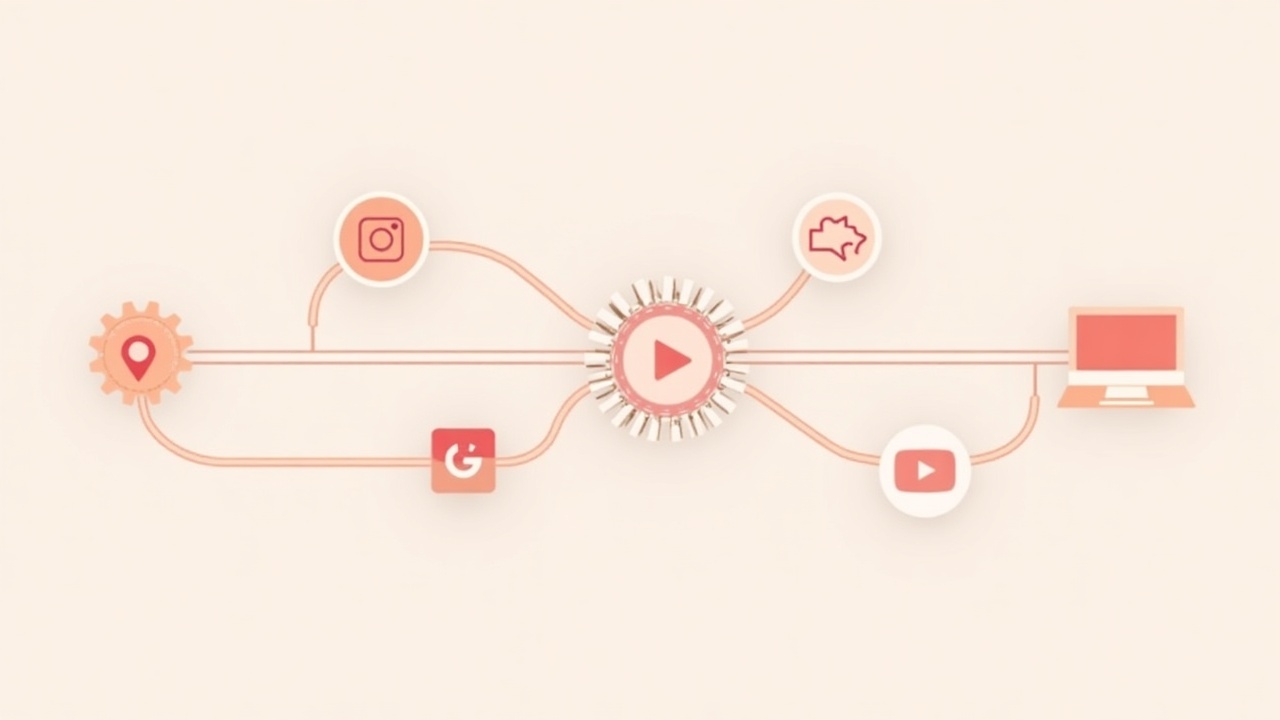
- Fully autonomous — generates and posts without waiting for your input or approval
- Branded Reels — creates short-form video content that matches your brand style
- Multi-platform — auto-posts to Instagram, TikTok, and YouTube Shorts simultaneously
- Free forever plan — includes autonomous posting at no cost with no credit card required
📊 STAT: Short-form video content generates 2.5x more engagement than static posts on Instagram according to 2025 platform data. SnapReel AI focuses exclusively on this format because it delivers the highest reach per post for product brands.
Pricing: Free forever plan available. Paid plans for higher posting frequency and additional features.
Best for: Small product brand founders who want social media handled without daily involvement.
Tired of filling content calendars every day?
Create AI-powered videos and auto-post to all your platforms.
SnapReel AI generates and posts branded Reels automatically. Set up once in 2 minutes and your brand posts daily without you creating anything.
No credit card required • 2-min setup • 2,000+ small brands already using it
2. Buffer — Best for Teams With Existing Content
Buffer is a veteran scheduling platform that has evolved significantly since its early days. For teams who already produce content and need a straightforward way to schedule and analyze posts, Buffer delivers a clean experience at reasonable pricing.
What does that mean for your brand?
If you have content ready — from a photographer, content creator, or your own production — Buffer handles the scheduling and publishing efficiently. The interface is intuitive. The analytics are helpful. The approval workflows keep teams aligned.
- Clean scheduling interface — drag and drop calendar that teams learn quickly
- Solid analytics — engagement metrics and best time to post recommendations
- Affordable team plans — pricing scales reasonably as you add users
- No content generation — you create everything, Buffer organizes and posts it
Pricing: Free plan for up to 3 channels. Essentials plan at $6 per month per channel. Team plan at $12 per month per channel.
Best for: Teams with dedicated content creators who need scheduling and collaboration tools.
3. Later — Best for Visual-First Instagram Brands
Later built its reputation on visual planning for Instagram. The drag-and-drop visual calendar and grid preview help brands maintain aesthetic consistency — important for lifestyle and visual product brands.
But here is the problem:
Later requires you to create all content yourself. It organizes and schedules beautifully, but the creative work remains on you. For brands with strong visual content already, this works. For brands struggling to create content, Later adds organization without solving the core problem.
- Visual grid preview — see how posts will look on your Instagram profile before publishing
- Link in bio tool — Linkin.bio feature included for Instagram traffic
- Best time suggestions — data-driven recommendations for posting times
- No video generation — you bring the Reels, Later just schedules them
⚠️ WARNING: Later's free plan is limited to 5 posts per social profile per month. Most active brands hit this limit in the first week. Budget for the Starter plan at $25 per month minimum for realistic usage.
Pricing: Free plan with 5 posts per profile monthly. Starter at $25 per month. Growth at $45 per month. Advanced at $82.50 per month.
Best for: Instagram-focused brands with existing visual content who prioritize grid aesthetics.

4. Planoly — Best for Instagram and Pinterest Dual Focus
Planoly offers visual planning similar to Later but includes stronger Pinterest integration. For product brands where Pinterest drives discovery and sales, this dual focus can consolidate your workflow.
Now you might be wondering:
Is Pinterest integration worth switching tools? If Pinterest is in your top three traffic sources, yes. Planoly's Pinterest scheduler includes Pin optimization features that general schedulers lack. If Pinterest is not a priority, other tools serve Instagram better.
- Pinterest-native features — Pin scheduling with optimization for Pinterest's algorithm
- Visual Instagram planner — grid preview and aesthetic planning tools
- Shopify integration — product tagging for shoppable posts
- No content generation — scheduling only, creation is your responsibility
Pricing: Free plan limited to 30 uploads per month. Starter at $16 per month. Growth at $28 per month. Pro at $43 per month.
Best for: Product brands actively using both Instagram and Pinterest who want unified scheduling.
5. Metricool — Best for Analytics-Focused Teams
Metricool combines scheduling with deeper analytics than most alternatives. For brands making data-driven decisions about content strategy, the reporting depth justifies the platform.
And it gets better.
Metricool includes competitor analysis features that let you benchmark against similar brands. For founders who want to understand what is working in their niche before creating content, this insight has value.
- Comprehensive analytics — deeper reporting than Buffer or Later on engagement patterns
- Competitor tracking — monitor competitor posting frequency and engagement
- Multi-platform scheduling — covers major platforms plus Google Business Profile
- No content generation — analytics and scheduling only
💡 PRO TIP: Metricool's competitor analysis works best when you identify 3-5 brands at your target growth stage — not the biggest players in your category. Tracking brands 2-3x your size gives actionable insights. Tracking brands 100x your size just shows unreplicable strategies.
Pricing: Free plan for personal use. Starter at $22 per month. Advanced at $54 per month. Custom enterprise pricing.
Best for: Data-driven teams who prioritize analytics and competitor insights over content creation.
Need content created
Create AI-powered videos and auto-post to all your platforms.
Unlike scheduling tools that wait for your content, SnapReel AI generates branded Reels automatically. Your social media runs even when you are busy with your actual business.
No credit card required • 2-min setup • 2,000+ small brands already using it
Loomly Alternatives Comparison Table
| Tool | Monthly Cost | Content Generation | Video Creation | Daily Input Required | Best For |
|---|---|---|---|---|---|
| SnapReel AI | $0 to paid | Yes — fully autonomous | Branded Reels | No | Hands-off brand founders |
| Buffer | $0 to $12/channel | No — scheduling only | No generation | Yes | Teams with existing content |
| Later | $0 to $82.50 | No — scheduling only | No generation | Yes | Visual Instagram brands |
| Planoly | $0 to $43 | No — scheduling only | No generation | Yes | Instagram + Pinterest brands |
| Metricool | $0 to $54 | No — scheduling only | No generation | Yes | Analytics-focused teams |
The comparison reveals a clear pattern. Four of these five tools are scheduling platforms — they organize and post content you create. Only SnapReel AI generates content autonomously. The choice depends on which problem you actually need solved.
Which Loomly Alternative Is Right for Your Brand
Choosing the right Loomly alternative starts with identifying your actual bottleneck. The wrong tool solves a problem you do not have while the real issue persists.
How do you know which Loomly alternative fits your specific situation?
Match your primary bottleneck to the tool designed to solve it. If content creation drains your time, choose an autonomous generation tool. If you have content but need organization, choose a scheduling tool. If analytics drive your decisions, choose a data-focused platform.
Choose SnapReel AI if:
- You lack time to create content daily and want social media handled automatically
- You need video content but do not have skills or budget for video production
- You want hands-off automation — set up once, posts happen without you
Choose Buffer if:
- You already have content from a photographer, agency, or content creator
- Your team needs collaboration features for approvals and assignments
- Budget is tight and you need affordable per-channel pricing
Choose Later if:
- Instagram is your primary platform and grid aesthetics matter to your brand
- You create visual content and need planning tools for consistency
- Link in bio traffic is important to your conversion strategy
Choose Planoly if:
- Pinterest drives significant traffic and you need native Pinterest features
- You manage both Instagram and Pinterest and want unified scheduling
- Shopify product tagging is part of your social commerce strategy
Choose Metricool if:
- Analytics drive your content decisions and you need deeper reporting
- Competitor tracking helps you understand what works in your niche
- Data matters more than automation for your current growth stage
The truth is:
Most small product brand founders switching from Loomly need help creating content — not just scheduling it. They are not struggling with calendar organization. They are struggling with showing up every day to create posts while running every other part of their business.
FAQ
SnapReel AI offers the strongest free option for small product brands because its free forever plan includes autonomous content generation and posting. Buffer and Later have free plans too but require you to create all content yourself before scheduling anything.
The three most common reasons are the content creation gap since Loomly schedules but does not create, the lack of video generation when Reels dominate platform reach, and the pricing that assumes you already have content ready rather than needing help producing it.
Only SnapReel AI among these alternatives generates video content automatically. Buffer, Later, Planoly, and Metricool are scheduling platforms. They post videos you create but do not generate Reels, TikToks, or Shorts for you.
SnapReel AI requires no daily time after the initial two-minute setup. It generates and posts branded Reels autonomously. All other alternatives on this list require you to create content and fill the scheduling calendar regularly.
Later and Buffer both cost less than Loomly while offering similar scheduling features. Later is better for visual Instagram planning. Buffer is better for clean multi-platform scheduling. Neither generates content though so you still do that work yourself.
Subscription prices range from free to about $80 per month. But the real cost includes your content creation time. A tool that costs $0 but requires 10 hours weekly of your time costs more than a $50 tool that runs autonomously. Calculate your hourly rate into the comparison.
Making the Switch From Loomly
Loomly is a capable scheduling platform. For teams with content creators and established production workflows, it organizes and publishes effectively. The problem is not that Loomly fails at what it does.
The problem is that scheduling is not the bottleneck for most small product brand founders. Content creation is. Video production is. Daily involvement is. Switching to another scheduling tool just moves the same problem to a different interface.
The alternatives that actually solve the small brand problem in 2026 are the ones that create content — not just organize it. That is why autonomous AI tools represent a category shift, not just a competitor swap.
Ready for social media that runs without your daily input?
Create AI-powered videos and auto-post to all your platforms.
✓ Fully autonomous daily posting — no prompts, no scheduling, no daily decisions required
✓ Branded Reels generated from your product information and posted to Instagram, TikTok, and YouTube Shorts
✓ Free forever plan included with no credit card required to start
Free forever plan • No credit card • 2-min setup