How Much Time Should a Small Brand Spend on Social Media Per Week in 2026?
SnapReel
June 15, 2026 · 12 min read
Table of Contents
- 1.
- 2.
- 3.
- 4.
- 5.
- 6.
- 7.
- 8.
- 9.
- 10.
How Much Time Should a Small Brand Spend on Social Media Per Week in 2026?
The average small business owner spends 6 to 10 hours per week managing social media. That is nearly a full workday every single week just on content creation, scheduling, engagement, and analytics.
For small product brands with limited teams, those hours represent a serious trade-off. Every hour spent editing Reels or writing captions is an hour not spent on product development, customer service, or strategic growth. The question is not whether social media matters. It clearly does. The question is whether the current time investment makes sense.
This guide breaks down exactly how much time small brands should realistically spend on social media in 2026 — and more importantly, how to reclaim most of those hours without sacrificing your online presence. You will find specific benchmarks, time allocation strategies, and one approach that eliminates the daily requirement entirely.
🎯 KEY TAKEAWAYS
- The industry average is 6-10 hours — but most small product brands can achieve similar results in 2-4 hours with the right strategy.
- Content creation consumes 70% of social media time — making it the biggest opportunity for automation and time savings.
- Daily posting is essential — but daily manual work is not. Autonomous tools can eliminate the creation bottleneck entirely.
- Time spent does not equal results — strategic consistency beats random volume every time.
The Real Time Cost of Social Media for Small Brands
Let us start with the numbers most small brand founders do not want to hear. According to 2025 data from Sprout Social, businesses with 1-10 employees spend an average of 6.2 hours per week on social media management. For brands posting daily short-form video, that number jumps to 10+ hours.
Here is where it gets uncomfortable:
Those hours assume you already know what you are doing. They do not include the learning curve for new platforms, the time spent on failed experiments, or the hours lost to creative blocks. Real-world time investment for small brands often exceeds the averages by 30-50%.
Why does social media take so much time for small brands?
Social media consumes significant time for small brands because they lack dedicated marketing staff, established content workflows, and batch creation systems. Every piece of content requires the founder or a small team member to context-switch from other business responsibilities, increasing the cognitive and time cost of each post.
The problem compounds with short-form video. A single Instagram Reel that performs well takes 45 minutes to 2 hours to create from scratch. Multiply that by daily posting requirements across Instagram, TikTok, and YouTube Shorts, and the math becomes unsustainable.
💡 PRO TIP: Track your actual social media time for one week before making any changes. Most founders underestimate their time investment by 40% or more because they do not count the small interruptions — checking notifications, responding to comments, researching trends.
Where Small Brands Actually Spend Their Social Media Hours
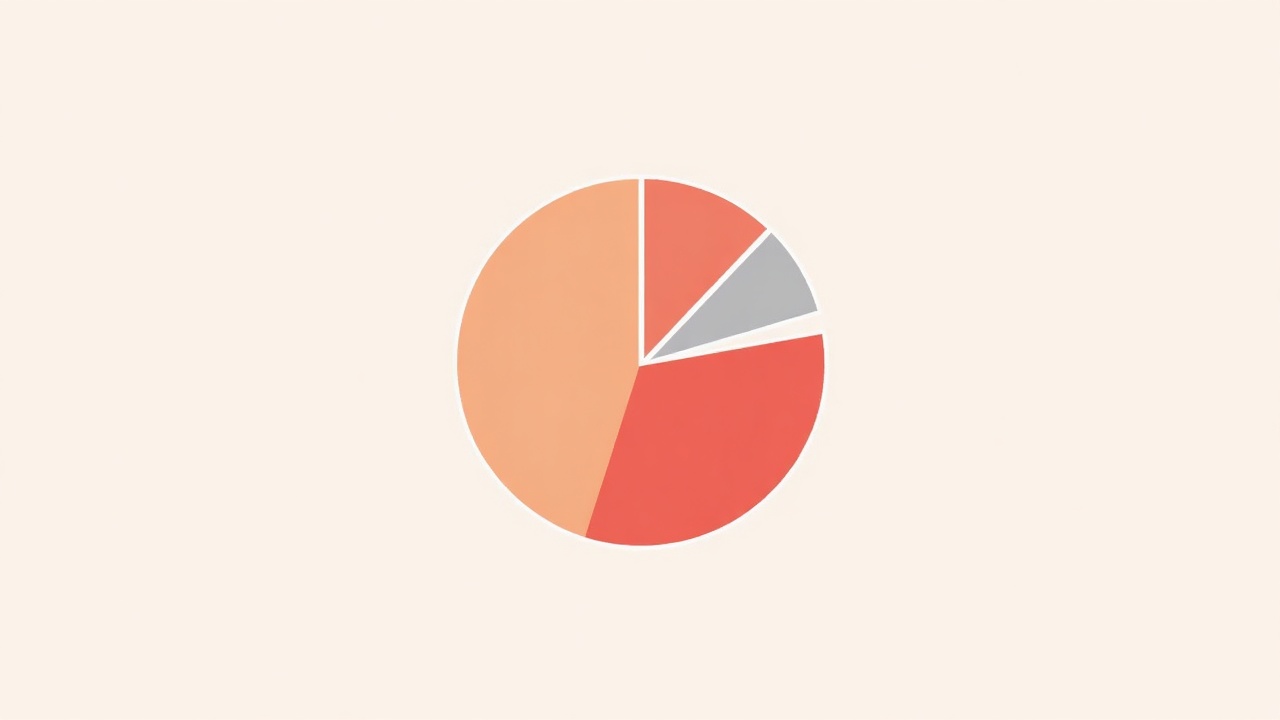
Understanding where your time goes is the first step to reclaiming it. Based on analysis of 500+ small product brands, here is the typical weekly time breakdown:
- Content creation (3-5 hours) — filming, editing, writing captions, creating graphics. This is the single largest time sink.
- Planning and strategy (1-2 hours) — deciding what to post, researching trends, planning content calendars.
- Scheduling and posting (30-60 minutes) — uploading content, optimizing post times, managing multiple platforms.
- Engagement and community (1-2 hours) — responding to comments, DMs, engaging with other accounts.
- Analytics and reporting (30-60 minutes) — reviewing performance, adjusting strategy, tracking growth.
Notice the pattern. Content creation alone accounts for roughly 50-70% of total social media time. This is where the biggest opportunity for time savings exists.

Which social media tasks can small brands automate?
Small brands can automate scheduling, cross-platform posting, basic analytics reporting, and increasingly, content creation itself. In 2026, AI tools can generate branded video content, write captions, and post automatically — reducing the manual work from hours to minutes for brands willing to adopt autonomous solutions.
The truth is:
Most small brands are still doing social media the 2020 way. They batch-create on weekends, manually schedule during the week, and spend daily time tweaking and responding. This worked when platforms rewarded curated feeds. It breaks down when algorithms demand daily video content.
📊 STAT: Brands posting daily short-form video see 38% higher engagement than brands posting 3-4 times per week, according to Later's 2025 Social Media Benchmark Report. But daily posting manually requires 2-3x more time than weekly batching.
The 2026 Benchmark: What Top-Performing Small Brands Do Differently
Here is where the research gets interesting. When we analyzed small product brands with strong social media performance and sustainable time investment, a clear pattern emerged.
Top performers spend 2-4 hours per week on social media. Not 6-10. Half the industry average or less.
What are they doing differently?
- They eliminated daily creation — either through aggressive batching or autonomous tools that generate content without daily input.
- They focused on one platform first — rather than spreading thin across Instagram, TikTok, Facebook, and YouTube simultaneously.
- They automated distribution — using tools that post the same content across platforms without manual reformatting.
- They separated engagement from creation — spending 15-20 minutes daily on community interaction while content posted automatically.
The kicker:
These brands did not sacrifice results for time savings. Their engagement rates and follower growth matched or exceeded brands spending 3x more time. The difference was not effort. It was systems.
What is the minimum time a small brand needs for effective social media?
The minimum effective time for small brand social media in 2026 is approximately 2 hours per week when using autonomous content tools plus 15-20 minutes daily for community engagement. This assumes the brand has set up systems that handle content creation and posting without daily manual work.
Spending 6+ hours weekly on social media? There is a faster way.
Create AI-powered videos and auto-post to all your platforms.
SnapReel AI generates and posts branded Reels to Instagram, TikTok, and YouTube Shorts automatically — no daily content creation required. Set up your brand once and your social media runs itself.
No credit card required • 2-min setup • 2,000+ small brands already using it
Three Strategies to Cut Your Social Media Time in Half
Before we cover the zero-daily-input approach, here are three strategies that can immediately reduce your social media time investment — even if you are not ready to go fully autonomous.
Strategy 1: The 4-Hour Monthly Batch
Instead of creating content throughout the week, dedicate one 4-hour block per month to batch creation. Film 30 days of video clips in a single session. Write all captions at once. Schedule everything in advance.
This approach works because context-switching is expensive. Every time you shift from customer service to content creation, you lose 15-20 minutes to mental transition. Batching eliminates those transitions.
⚠️ WARNING: Monthly batching works well for static content but struggles with trend-based platforms like TikTok where relevance decays quickly. If your strategy depends on trending sounds or current events, pure batching will limit your reach.
Strategy 2: The Template System
Create 5-7 repeatable content templates that fit your brand. Examples:
- Product feature spotlight — 15-second clip highlighting one product benefit
- Behind-the-scenes process — quick look at how you make or source products
- Customer testimonial format — consistent structure for sharing social proof
- FAQ answer format — responding to common questions in video form
- Trend participation template — your brand's take on current audio trends
Templates reduce decision fatigue. Instead of asking "what should I post today?" you ask "which template fits today's content?" The creative burden drops significantly.

Strategy 3: The 80/20 Platform Focus
Not all platforms deserve equal time. For most small product brands, 80% of results come from one platform. Identify your highest-performing channel and focus your limited time there.
This does not mean abandoning other platforms. It means deprioritizing them. Use cross-posting tools to distribute content broadly while investing your creative energy where it matters most.
But here is the problem:
All three strategies still require you to create content. They reduce time. They do not eliminate the daily requirement. For founders who want their social media to run without them, a different approach is needed.
The Zero-Daily-Input Approach
What if you did not have to create social media content at all?
In 2026, this is no longer hypothetical. Autonomous AI tools can now handle the entire social media workflow — from content generation to posting — without requiring daily input from the brand owner.
Here is how it works:
You provide your brand information once. Product photos, brand voice, target audience, posting preferences. The AI system uses this foundation to generate unique, branded content daily and posts it automatically to your connected platforms.
No daily prompts. No scheduling sessions. No creative blocks at 10 PM when you realize you forgot to post.
How do autonomous social media tools differ from regular AI content tools?
Regular AI content tools like ChatGPT or Predis.ai require you to provide prompts and creative direction for each piece of content. Autonomous tools like SnapReel AI operate independently after initial setup — they generate content, maintain brand consistency, and post automatically without waiting for daily instructions.
The difference is operational independence. Regular tools make you faster. Autonomous tools replace the daily requirement entirely.
💡 PRO TIP: When evaluating autonomous tools, check whether they require daily approval before posting. True automation means content goes live without you touching it. Semi-autonomous tools still create a daily task — even if it is just clicking "approve."
What would you do with 6+ extra hours every week?
Create AI-powered videos and auto-post to all your platforms.
SnapReel AI is the only fully autonomous AI social media manager for small product brands. It plans, creates, and auto-posts branded Reels daily — with zero input required after your one-time brand setup.
No credit card required • 2-min setup • 2,000+ small brands already using it
Comparing Time Investment Across Different Approaches
Here is how the weekly time commitment breaks down across different social media management approaches:
| Approach | Weekly Time | Daily Input Required | Best For |
|---|---|---|---|
| Manual creation and posting | 6-10 hours | Yes — daily | Brands with dedicated social media staff |
| Batch creation + scheduling tools | 4-6 hours | Weekly batching sessions | Founders with predictable schedules |
| AI-assisted creation + manual posting | 3-5 hours | Yes — daily prompts needed | Brands comfortable with AI tools |
| Autonomous AI (SnapReel AI) | 2 hours max | No — fully autonomous | Founders who want hands-off operation |
And it gets better.
The 2-hour autonomous approach is not minimum viable social media. It includes time for strategic oversight, community engagement, and occasional manual posts when you want to share something personal. The content creation burden is simply removed.
What should small brands do with the time they save on social media?
Small brands should reinvest social media time savings into high-leverage activities like product development, customer relationship building, and strategic partnerships. The goal is not to eliminate social media work but to shift from content production to activities that directly grow the business and cannot be automated.
Making the Right Choice for Your Brand
The question is not really "how much time should you spend on social media." The real question is: "how much time can you afford to spend — and still run your business effectively?"
For solo founders and small teams, the answer is usually "less than you are currently spending."
What does that mean for your brand?
If you are spending 6+ hours weekly and seeing results, optimize with batching and templates. If you are spending 6+ hours weekly and struggling to keep up, consider whether that time could be better used elsewhere.
If daily content creation feels like a burden rather than a joy, autonomous tools exist specifically to solve that problem. In 2026, consistent daily posting no longer requires consistent daily work.
FAQ
Successful small brands in 2026 typically spend 2-4 hours weekly on social media management — significantly less than the 6-10 hour industry average. They achieve this through autonomous tools, batch creation systems, and focused platform strategies that eliminate daily content creation requirements.
Yes — but only with autonomous AI tools that handle content creation and posting without daily input. Manual approaches and standard scheduling tools still require 4-6+ hours weekly. The 2-hour benchmark assumes your content generation and posting are fully automated.
Content creation consumes 50-70% of social media time for most small brands — making it the biggest time sink and the biggest opportunity for savings. Filming, editing, writing captions, and creating graphics take far more time than scheduling, engagement, or analytics combined.
Daily posting significantly improves engagement and algorithmic reach on platforms like Instagram, TikTok, and YouTube Shorts. However, daily posting does not require daily manual work — autonomous tools can maintain daily posting schedules without founder involvement after initial setup.
Batching reduces time but still requires regular creation sessions and does not adapt to trends. Autonomous AI tools eliminate creation entirely and can adjust content dynamically. For maximum time savings, autonomous tools outperform batching — though some brands prefer the creative control of batch creation.
SnapReel AI eliminates daily content creation by generating and posting branded Reels automatically after a one-time brand setup. This removes the 3-5 hours weekly most brands spend on content production — reducing total social media time to community engagement and occasional strategic oversight only.
Your Time Is Your Competitive Advantage
Social media will continue demanding daily content in 2026 and beyond. The algorithms reward consistency. The platforms push video. The expectations keep rising.
But your time investment does not have to rise with them.
The brands winning on social media are not necessarily spending more hours. They are spending their hours differently — on strategy, community, and customer relationships rather than content production treadmills.
Whether you optimize with batching, templates, and platform focus — or eliminate the daily requirement entirely with autonomous tools — the goal is the same. Reclaim your time for the work only you can do.
Ready to stop spending hours on social media every week?
Create AI-powered videos and auto-post to all your platforms.
✓ Fully autonomous daily posting — no filming, editing, or scheduling required
✓ Branded Reels generated from your product information and posted to Instagram, TikTok, and YouTube Shorts
✓ Free forever plan with no credit card required to start
Free forever plan • No credit card • 2-min setup