What Is Hyper-Personalization — And How Small Brands Are Using AI to Make Every Customer Feel Special in 2026
SnapReel
May 15, 2026 · 10 min read
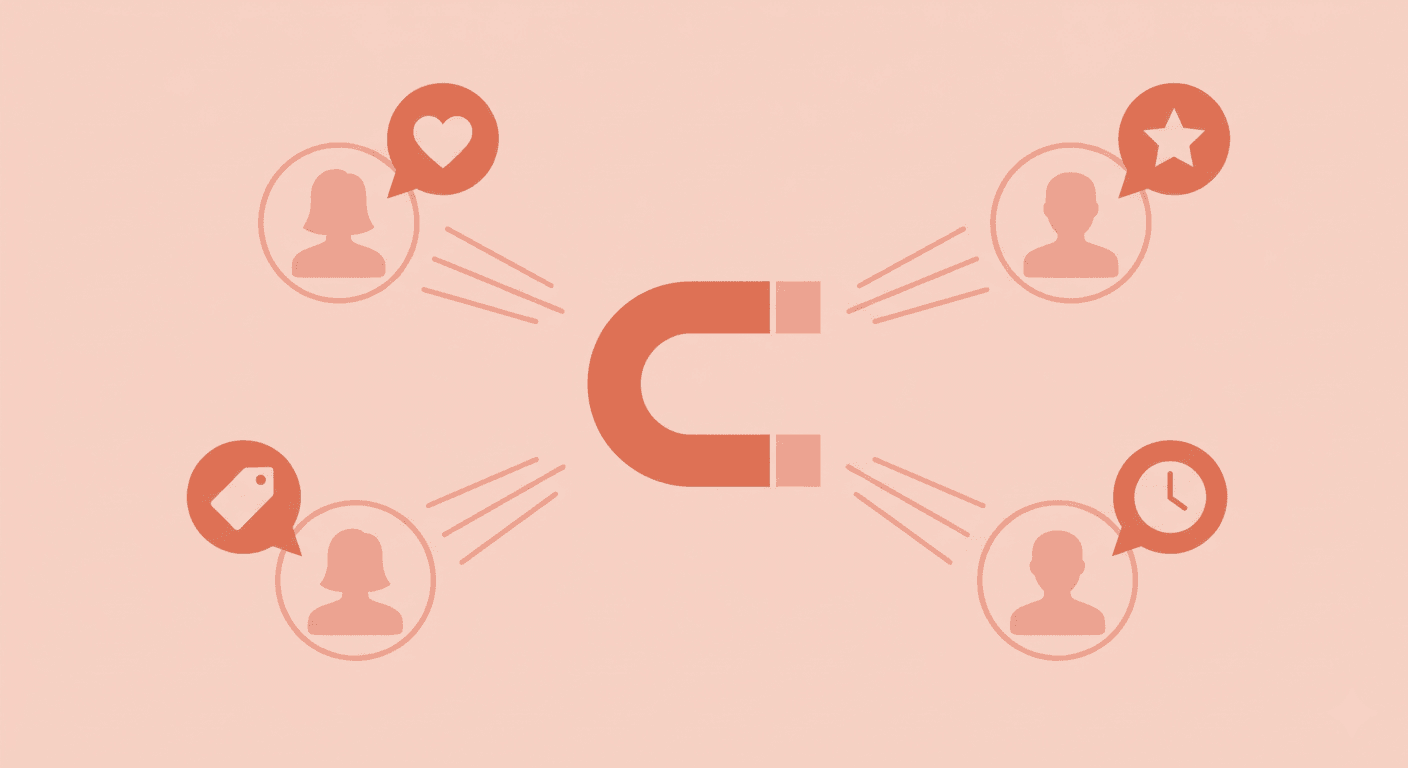
Table of Contents
Think about the last time a brand made you feel like they actually knew you.
Not just your name in an email subject line.
Not just a retargeted ad showing you the exact product you already bought.
Something that felt genuinely relevant — a recommendation that made sense, a message that landed at exactly the right moment, content that spoke directly to the problem you were thinking about that week.
That feeling is rare. And it is rare because most brands are still doing marketing the old way — picking a target audience, writing one message, and sending it to everyone in that audience and hoping enough of them care.
In 2026, the brands pulling away from the competition have stopped doing that.
They are using AI to understand what each individual customer actually wants, and they are delivering content, offers, and experiences that feel built specifically for that person.
This is hyper-personalization — and the numbers behind it are no longer niche or experimental.
91% of consumers are more likely to shop with brands that provide personalized experiences. AI-powered personalization improves conversion rates by 202%. And by 2026, AI-driven hyper-personalization is growing at 40% year over year as brands across every category discover what it actually does to customer loyalty and revenue.
This guide explains what hyper-personalization is, why it is different from the basic personalization most brands already do, and exactly how small brands are implementing it in 2026 with AI tools that were simply not accessible three years ago.
What Is Hyper-Personalization — And How Is It Different From Regular Personalization
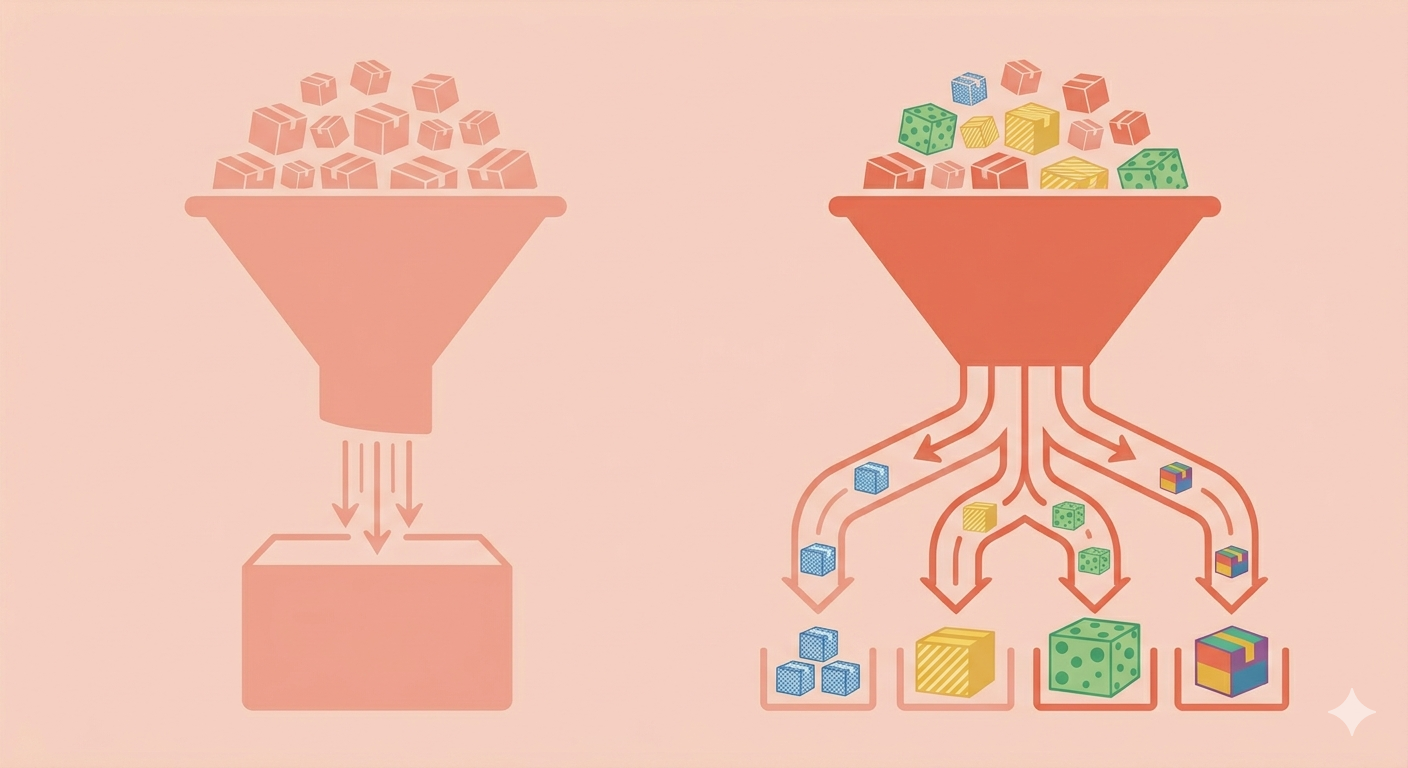
Regular personalization is segmentation.
You divide your audience into groups — new customers, returning customers, customers who bought category A versus category B — and you send different messages to different groups. It is better than sending one message to everyone. But it is still broadcasting, just to smaller buckets.
Hyper-personalization is something fundamentally different.
Instead of grouping customers together, hyper-personalization treats each individual as their own audience of one. It uses real-time behavioral data, browsing patterns, purchase history, engagement signals, time of day, device type, location context, and dozens of other signals simultaneously to determine what this specific person wants right now — and then delivers content and offers built around that specific moment.
The difference in practice is significant. Regular personalization might send all first-time buyers the same welcome sequence. Hyper-personalization sends a first-time buyer who spent twelve minutes reading your skincare ingredient breakdown a follow-up specifically about that ingredient — while sending a first-time buyer who immediately went to the product page and checked out a reward for their decisiveness and a recommendation for the next logical product.
Same segment. Completely different experience. Completely different outcome.
Why 2026 Is the Year Hyper-Personalization Became Accessible to Small Brands
For most of marketing history, the kind of data infrastructure required to deliver truly personalized experiences at scale was only available to enterprises with massive budgets and dedicated data science teams.
Netflix built recommendation engines with hundreds of engineers. Amazon's personalization layer took decades and billions of dollars to develop. Small brands watched these experiences from the outside and accepted that personalization at that level simply was not something they could do.
AI changed that equation fundamentally.
In 2026, 84% of marketers report using AI for real-time personalization. The tools that enable this — AI-driven content engines, behavioral analytics platforms, predictive recommendation systems — are now accessible through subscription services that cost less per month than a single paid social campaign.
The playing field has not fully leveled. Enterprise brands still have advantages in data volume and infrastructure. But the gap has narrowed to a point where a small brand with the right tools and the right approach can deliver customer experiences that rival what the biggest brands in their category are producing.
The Five Layers of Hyper-Personalization Every Small Brand Should Understand
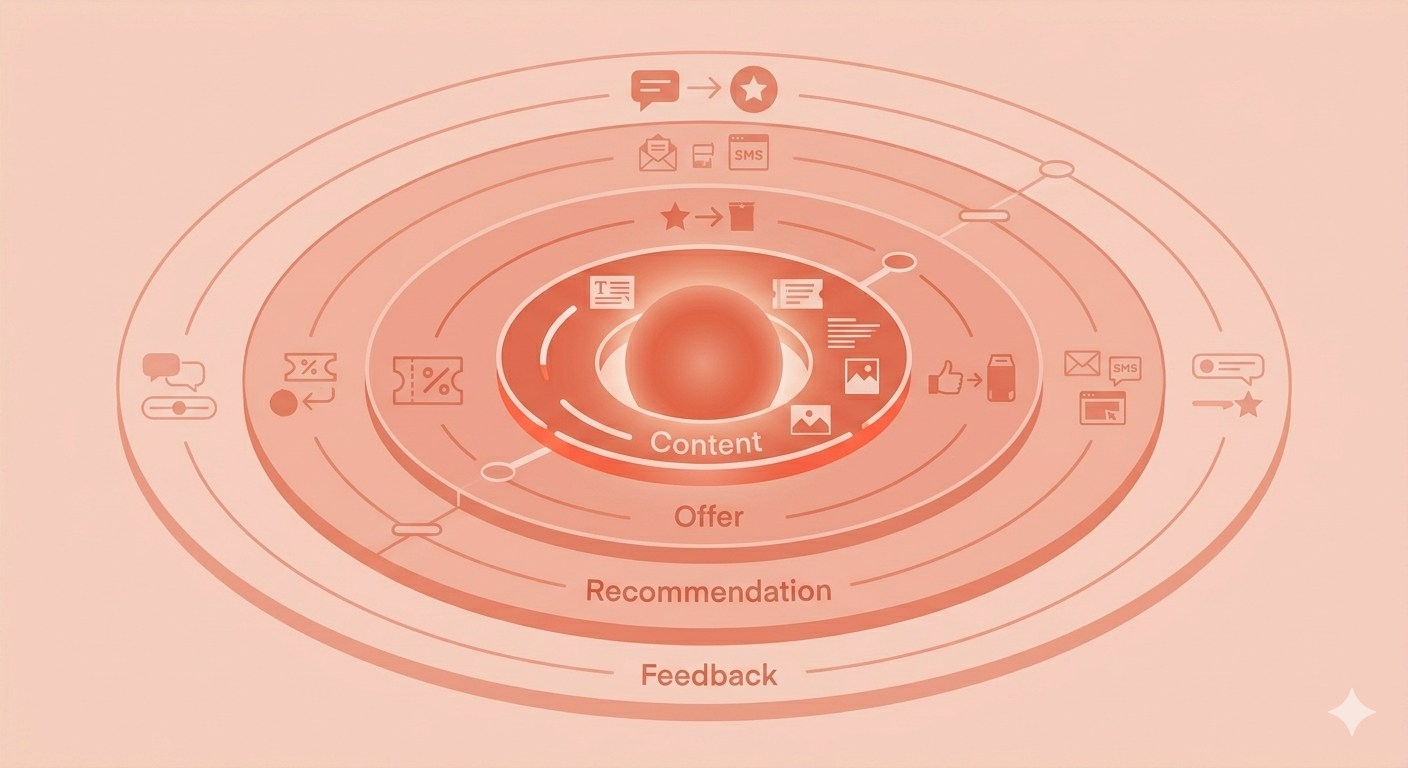
Hyper-personalization is not a single tactic. It is a set of interconnected layers that work together to create an experience that feels genuinely individual. Understanding these layers helps small brands identify where to start and where the biggest impact opportunities are.
Layer 1 — Content Personalization
This is the most visible layer. It means your social media content, email marketing, and website experience adapt based on who is seeing it.
For a small brand on social media, this looks like: using behavioral signals from your audience's engagement history to understand which content topics drive the most saves versus shares versus comments, then producing more of the specific content formats your highest-value customers are responding to.
AI tools can analyze your existing content performance and identify patterns invisible to the human eye — the specific combination of hook style, topic, and format that drives saves from customers who have previously purchased versus the combination that drives awareness engagement from new audiences. Once those patterns are identified, content production shifts from guesswork to data-driven precision.
Layer 2 — Offer and Timing Personalization
The same offer delivered at the wrong moment produces a fraction of the conversion it would produce at the right moment.
Hyper-personalization uses behavioral signals to determine when each specific customer is most likely to convert — and delivers offers timed to that window. A customer who has been browsing your product page three times in the past week without purchasing is in a completely different psychological state than a customer who has not visited in six months. They need different messages delivered at different times.
AI-powered email and retargeting systems now do this automatically, using predictive models trained on conversion data to determine the optimal moment to reach each individual customer in each stage of their journey.
Layer 3 — Recommendation Personalization
This is the layer that Amazon and Netflix built their businesses on — and it is now available to small brands.
Recommendation personalization means that when a customer finishes reading your blog post, the next recommended post is not a random recent article. It is the specific article most likely to be relevant to that customer based on what they have read before, what they have purchased, and what customers with similar behavior patterns engaged with next.
On social media, recommendation personalization means your content is structured so that each piece naturally leads the algorithm to surface the next most relevant piece to the same viewer — creating a content journey rather than a series of disconnected posts.
Layer 4 — Communication Channel Personalization
Different customers prefer different channels. Some respond fastest to Instagram DMs. Some engage with email but ignore social. Some click on TikTok but never check their inbox.
Hyper-personalization identifies each customer's preferred channel by analyzing where they engage most reliably, and shifts communication to that channel rather than blasting every channel simultaneously and hoping something lands.
For small brands with limited content production bandwidth, this layer is particularly valuable — instead of creating six pieces of content for six channels, you create the most relevant content for the channels where your highest-value customers are actually paying attention.
Layer 5 — Feedback Loop Personalization
This is the layer that separates hyper-personalization from a one-time setup.
Every interaction generates new data. Every click, every scroll depth, every purchase, every abandoned cart is a signal that refines the model. Hyper-personalization in 2026 is not a campaign — it is a continuously improving system that gets more accurate about each individual customer's preferences over time.
The brands that start building these data loops now will have a significant advantage over brands that start later, because the model accuracy is directly tied to data volume. Starting earlier means more data, faster learning, and better personalization before the competitive window on these tools narrows.
Deliver personalized branded content to every audience segment — automatically
Put these tips into action — start creating with SnapReel for free.
How Small Brands Are Implementing Hyper-Personalization in 2026 — Practical Examples
Understanding the concept is one thing. Seeing what it actually looks like for a small brand in practice is what makes it actionable.
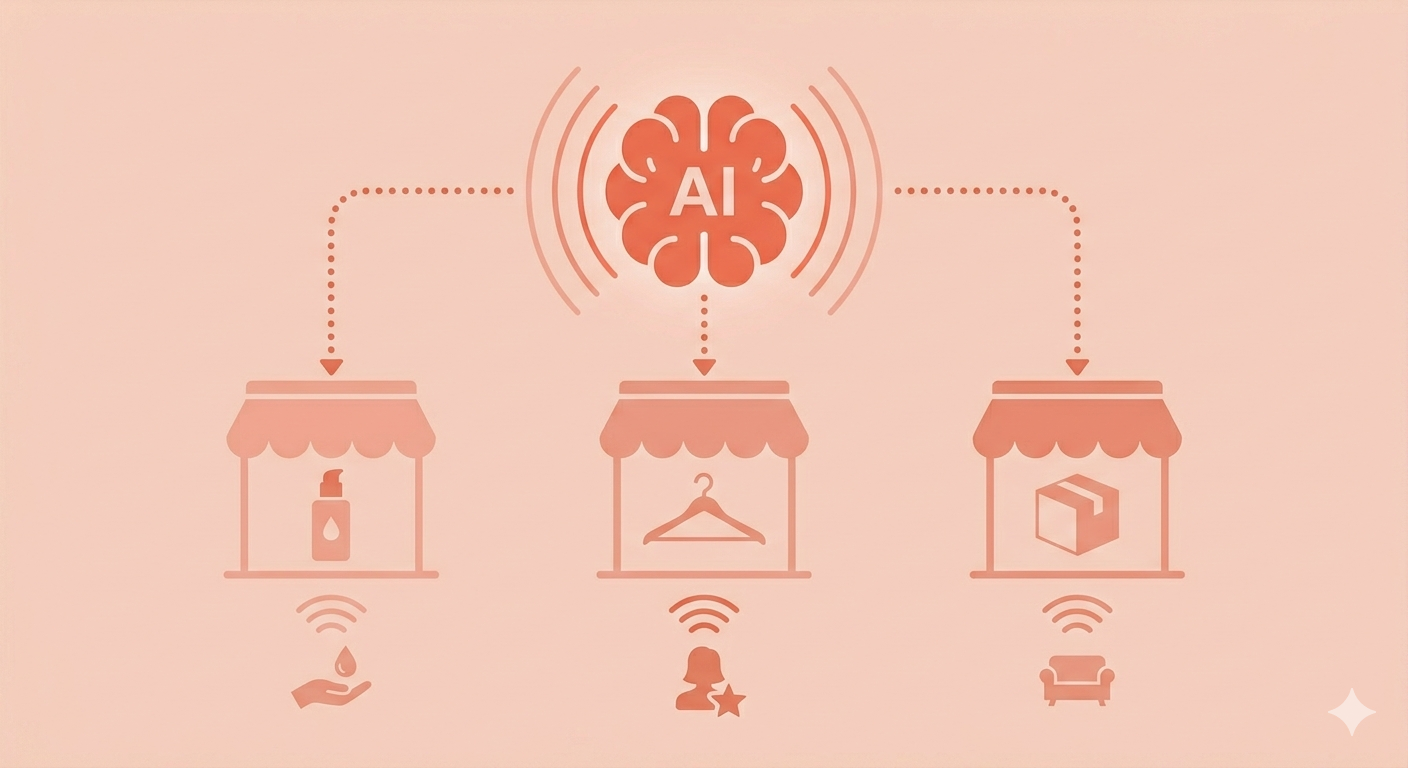
The Skincare Brand Using Behavior to Segment Content Journeys
A small skincare brand with a team of three starts tracking which blog posts each email subscriber reads. They notice that subscribers who read ingredient-focused content have a 3x higher product purchase rate than subscribers who only read routine guides.
Using an AI email tool, they build a trigger — any subscriber who reads two ingredient articles in a 30-day window automatically receives a personalized product recommendation email featuring the specific ingredient they have been reading about, with a first-time offer attached.
The email feels completely personal. It arrives at the right moment. And it converts at five times the rate of their general newsletter.
That is hyper-personalization implemented by a team of three with a mid-range email tool.
The Fashion Brand Using Engagement Signals to Personalize Social Content
A small fashion brand notices through their analytics that customers who save their "outfit breakdown" posts are significantly more likely to purchase within two weeks than customers who simply like those posts.
They start using AI to analyze which specific styling angles — color combinations, occasion types, price point combinations — generate the highest save rates from customers in their highest-value purchase segment.
Their content calendar shifts to produce more of exactly those angles — not for every follower, but optimized for the segment that converts best. Their overall content volume stays the same. Their conversion rate from social increases significantly.
The Home Goods Brand Using Predictive Timing to Recover Abandoned Carts
A small home goods brand integrates a predictive timing tool that analyzes when each specific customer is most likely to open an email — morning, evening, or weekend — based on their historical engagement patterns.
Instead of sending cart abandonment emails at the same time to every customer, the tool sends each customer's email at their individual high-engagement window.
Open rates increase. Click rates increase. And recovered cart revenue increases — without any change to the email content itself. The only variable that changed was timing personalization.
Where to Start With Hyper-Personalization If You Are a Small Brand in 2026
The gap between understanding hyper-personalization and implementing it is often just starting in the right place.
Start with your email list.
Email is the highest-ROI channel for personalization because you own the data, the relationship is already established, and the tools to segment, time, and trigger personalized sequences are widely available at small brand price points. Building behavioral triggers — specific content engagement leading to relevant follow-up offers — is the fastest way to see personalization impact without complex infrastructure.
Then layer in social content analysis.
Use your platform analytics to identify which content formats and topics drive the specific engagement behaviors that correlate with purchase — saves, profile visits, link clicks — rather than passive engagement like likes. Shifting your content calendar toward those formats based on data is simple personalization that does not require any new tools.
Then build recommendation loops into your content structure.
Every blog post should link to the next most relevant piece for that specific topic. Every email should reference related content the reader is likely to find valuable based on what they just read. Every social post should use captions that encourage the algorithm to surface your next relevant piece to the same viewer.
These three starting points create a personalization foundation that most small brands do not have — and they can be built without enterprise-level tooling or a dedicated data team.
SnapReel AI automatically adapts your brand's video content and social output based on what is performing best with your specific audience — applying the principles of content and timing personalization at the social media layer so your brand is always showing up with what your audience actually responds to, not what you hope they will.