How to Write Instagram Hooks That Stop the Scroll — 20 Formulas for Small Brands in 2026
SnapReel
June 14, 2026 · 14 min read
Table of Contents
- 1.
- 2.
- 3.
- 4.
- 5.
- 6.
- 7.
- 8.
20 Instagram Hook Formulas That Stop the Scroll for Small Brands in 2026
The average Instagram user scrolls past 300 feet of content daily. That is roughly the height of the Statue of Liberty. Your Reel has about 1.5 seconds to make someone stop.
For small product brands, this creates an impossible-feeling challenge. You are competing against professional content creators, big-budget brands, and entertainment accounts with millions of followers. Your product video needs to grab attention before a thumb swipe sends it into oblivion.
This guide gives you 20 proven hook formulas that work specifically for small product brands in 2026 — plus the psychology behind why they work and how to adapt them for your specific products. By the end, you will have a library of scroll-stopping openers you can use immediately.
🎯 KEY TAKEAWAYS
- The first 1.5 seconds determine whether your Reel gets watched or scrolled past — your hook is more important than your entire video.
- Pattern interrupts work best for small brands because they do not require celebrity recognition or massive production budgets.
- Product-specific hooks outperform generic viral hooks by 3x for conversion because they attract buyers instead of casual viewers.
- Combining visual and verbal hooks creates the strongest scroll-stopping effect — text alone is not enough in 2026.
Why Instagram Hooks Matter More Than Ever in 2026
Instagram's algorithm in 2026 prioritizes watch time above almost every other metric. A video that gets watched for 15 seconds beats a video that gets scrolled past in 2 seconds — even if the second video has more followers behind it.
For small product brands, this is actually good news. You do not need millions of followers to win. You need hooks that make people stop scrolling.
Here is where the opportunity opens up:
Most small brands copy what big brands do. Big brands can afford slow intros because their logo recognition buys them an extra second or two. Small brands cannot afford that luxury. You need to earn attention in the first frame.
What makes a hook actually stop the scroll?
A scroll-stopping hook creates a pattern interrupt that breaks the viewer's passive scrolling behavior. This happens through unexpected visuals, provocative statements, or open loops that create curiosity gaps. The hook must deliver enough intrigue in 1.5 seconds to make the viewer's thumb pause before their brain consciously decides to watch.

The psychology is simple. Humans are wired to notice things that do not fit the expected pattern. When everything in a feed looks similar, the thing that looks different gets attention.
- Pattern interrupts — something visually or verbally unexpected that breaks the scrolling rhythm
- Curiosity gaps — statements that open a question the viewer wants answered
- Identity triggers — content that makes the viewer think "this is about me"
- Controversy signals — mild disagreement with common beliefs that creates engagement
💡 PRO TIP: Test your hooks by showing the first 2 seconds of your video to someone who has never seen it. Ask them what they expect the video to be about. If they cannot guess or are not curious, your hook needs work.
The 3-Second Psychology of Scroll-Stopping
Before we get to the formulas, you need to understand what happens in a viewer's brain during those critical first seconds. This is not about tricks. It is about working with how human attention actually functions.
Why do viewers scroll past most content without watching?
Viewers scroll past most content because their brain is in "scanning mode" rather than "watching mode." The brain processes visual information in about 13 milliseconds, which means it has already categorized your content as interesting or skippable before you finish your first word. Switching the brain from scanning to watching requires a pattern interrupt strong enough to trigger conscious attention.
The truth is:
Your viewer is not actively looking for your content. They are passively scrolling while their brain runs on autopilot. Your hook's job is to interrupt that autopilot and force a conscious decision to watch.
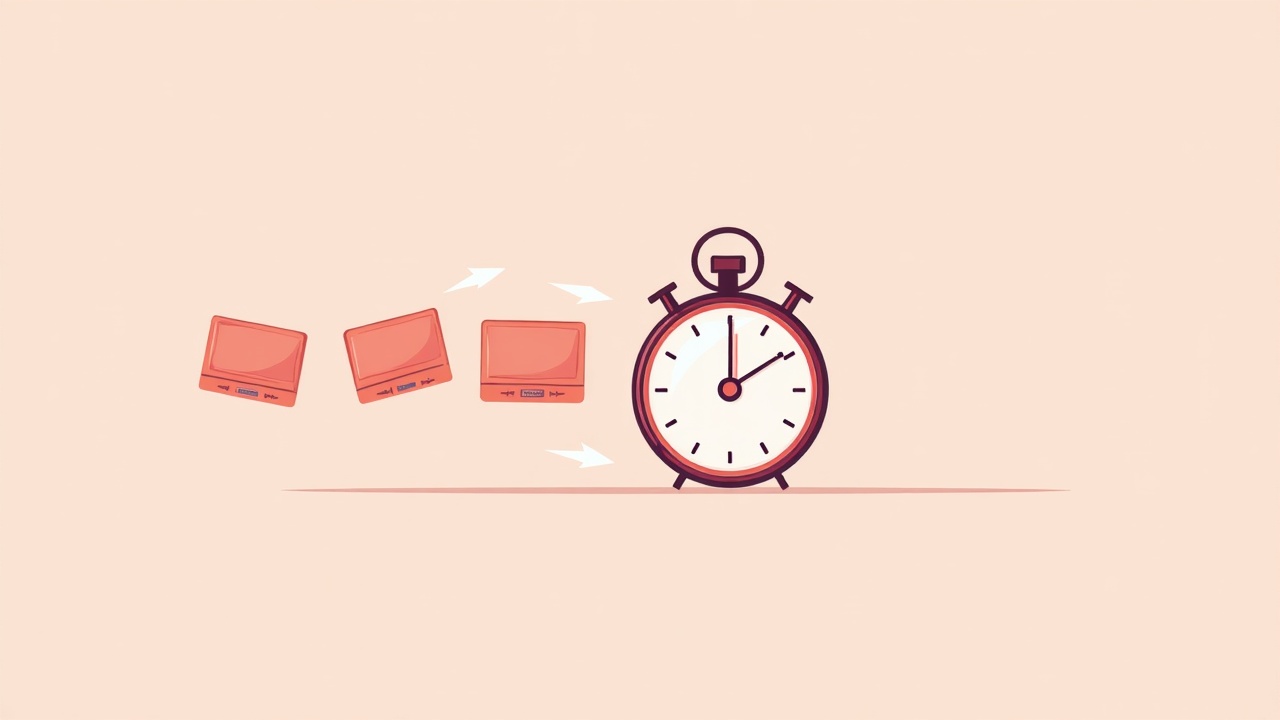
📊 STAT: Instagram's internal data shows that 65% of users decide whether to watch or skip within the first 0.5 seconds. The remaining 35% decide within the next 2 seconds. After 3 seconds, your viewer has either committed to watching or moved on. Source: Instagram Creator Insights 2025.
This means your hook strategy needs to operate on two levels:
- Visual hook (0-0.5 seconds) — what the viewer sees before any words register
- Verbal hook (0.5-2 seconds) — the opening statement that creates a reason to keep watching
Small brands often focus only on the verbal hook. But the visual hook happens first. If your first frame looks like every other product video, you have already lost most of your potential viewers.
20 Hook Formulas for Small Product Brands
These formulas are organized into five categories based on the psychological trigger they use. Each formula includes an example adapted for a small product brand.
Curiosity Gap Hooks (Formulas 1-4)
Curiosity gap hooks work by opening a question that the viewer's brain wants to close. The stronger the curiosity, the longer they will watch to get the answer.
Formula 1: "I stopped [common action] and here is what happened"
Example: "I stopped using regular face wash for 30 days and here is what happened to my skin."
Formula 2: "The [product category] industry does not want you to know this"
Example: "The skincare industry does not want you to know this about ingredient lists."
Formula 3: "I found out why [common problem] keeps happening"
Example: "I found out why your coffee always tastes bitter — and it is not the beans."
Formula 4: "This [product type] has a secret most people miss"
Example: "This $12 kitchen tool has a secret feature most people never discover."
Controversy and Opinion Hooks (Formulas 5-8)
Controversy hooks work by stating an opinion that some viewers will disagree with. This triggers the engagement instinct — people want to comment, agree, or argue.
Here is the kicker:
You do not need to be actually controversial. You just need to state a clear opinion that takes a side.
Formula 5: "Unpopular opinion: [common practice] is making [problem] worse"
Example: "Unpopular opinion: washing your hair every day is making your dandruff worse."
Formula 6: "I am going to say what no one in [industry] will admit"
Example: "I am going to say what no one in the supplement industry will admit about protein powders."
Formula 7: "Stop [common advice] — it is not working"
Example: "Stop drinking 8 glasses of water a day — it is not what your skin actually needs."
Formula 8: "[Popular product/method] is overrated — here is why"
Example: "Expensive blenders are overrated — here is what actually matters for smoothies."
⚠️ WARNING: Controversy hooks only work if you can back up your claim in the video. Making a bold statement and then not delivering on it destroys trust and tanks your completion rate. Only use controversy hooks when you have genuine insight to share.
Want hooks written for your specific products automatically?
Ready to follow along? Create your first AI video for free.
SnapReel AI generates scroll-stopping Reels with proven hook formulas adapted to your brand and products. No daily content creation required — just set up once and your brand posts daily on autopilot.
No credit card required • 2-min setup • 2,000+ small brands already using it
Identity and Belonging Hooks (Formulas 9-12)
Identity hooks work by making the viewer feel like the content is specifically for them. This triggers the "this is about me" response that makes people pay attention.
Formula 9: "If you [specific behavior], you need to see this"
Example: "If you have tried every acne treatment and nothing works, you need to see this."
Formula 10: "This is for the [specific group] who [specific struggle]"
Example: "This is for the busy moms who never have time to meal prep."
Formula 11: "Only [percentage] of people know about this"
Example: "Only 3% of coffee drinkers know about this brewing method."
Formula 12: "[Specific group] — this one is for you"
Example: "Side sleepers with neck pain — this one is for you."
Problem and Solution Hooks (Formulas 13-16)
Problem hooks work by naming a specific pain point that the viewer is experiencing. When someone sees their exact problem described, they assume the solution is coming.
What does that mean for your brand?
It means specificity beats generality. "Tired of bad skin" is weak. "Tired of acne coming back two days after it clears" is strong.
Formula 13: "Tired of [specific frustration]? Watch this."
Example: "Tired of your phone dying by 3pm? Watch this."
Formula 14: "I fixed [common problem] with this one change"
Example: "I fixed my constant bloating with this one ingredient swap."
Formula 15: "The real reason your [product category] is not working"
Example: "The real reason your moisturizer is not working — and it is not about the product."
Formula 16: "After trying [number] products, this is what actually works"
Example: "After trying 47 different hair products, this is what actually works for frizz."
💡 PRO TIP: Keep a list of the exact words your customers use to describe their problems. Use those words in your hooks — not marketing language. "My skin freaks out in winter" is how real people talk. "Combat seasonal skin sensitivity" is how marketers talk. The first one hooks better.
Transformation and Result Hooks (Formulas 17-20)
Transformation hooks work by showing or promising a result that the viewer wants. The before-after format is classic for a reason — it taps into the desire for change.
Formula 17: "I did [action] for [time period] — results inside"
Example: "I used this serum for 60 days — results inside."
Formula 18: "Watch me go from [before state] to [after state]"
Example: "Watch me go from dull, tired skin to glowing in 2 weeks."
Formula 19: "This [product] changed my [specific aspect of life]"
Example: "This $15 planner changed how I manage my entire week."
Formula 20: "POV: You finally found [solution to problem]"
Example: "POV: You finally found a deodorant that actually lasts all day."
How to Adapt These Hooks for Your Specific Product
Having 20 formulas is useful. But knowing how to adapt them to your specific product is what separates good content from great content.
How do I choose the right hook formula for my product?
Match your hook formula to your product's primary selling point. If your product solves an obvious problem, use problem-solution hooks. If your product has results that show visually, use transformation hooks. If your product is in a crowded category, use controversy hooks to differentiate. If your product appeals to a specific lifestyle, use identity hooks to attract your exact customer.
Here is a quick matching guide:
| Product Type | Best Hook Categories | Example Formula |
|---|---|---|
| Skincare / Beauty | Transformation, Problem-Solution | Formula 17, Formula 14 |
| Food / Beverage | Curiosity Gap, Controversy | Formula 3, Formula 5 |
| Fitness / Wellness | Transformation, Identity | Formula 18, Formula 9 |
| Home / Kitchen | Curiosity Gap, Problem-Solution | Formula 4, Formula 13 |
| Fashion / Accessories | Identity, Transformation | Formula 12, Formula 20 |
And it gets better.
You can combine elements from different formulas. "Tired of [problem]? Only 3% of [group] know this fix" combines a problem hook with an identity hook for extra stopping power.
Stop guessing which hooks work — let AI test them for you.
Ready to follow along? Create your first AI video for free.
SnapReel AI automatically creates and tests different hook styles for your brand, learning what stops the scroll for your specific audience. No content creation skills required.
No credit card required • 2-min setup • 2,000+ small brands already using it
Common Hook Mistakes That Kill Watch Time
Knowing what works is half the battle. Knowing what fails is the other half. These mistakes kill watch time even when the rest of your video is excellent.
What are the biggest hook mistakes small brands make?
The three biggest hook mistakes are starting with your logo or brand name, using generic statements that could apply to any product, and burying the hook after a slow intro. Each of these mistakes gives viewers a reason to scroll before they see your actual content. The hook must come first — before any branding, context-setting, or pleasantries.
Mistake 1: Starting with your logo or brand name
Your logo is not a hook. Nobody stopped scrolling because they saw a logo they did not recognize. Save the branding for after you have earned their attention.
Mistake 2: Using generic opening lines
"Hey guys" and "So today I wanted to share" are scroll triggers, not scroll stoppers. These phrases signal "nothing interesting is about to happen."
Mistake 3: Explaining context before the hook
"So I have been getting a lot of questions about skincare, and I thought I would make a video about..." — the viewer is already gone. Hook first, context later.
Mistake 4: Promising something you do not deliver
Clickbait hooks that do not pay off destroy your completion rate and train the algorithm to stop showing your content. Your hook should be the most interesting true thing you can say about your video.
📊 STAT: Videos that open with a hook in the first 0.5 seconds have 58% higher completion rates than videos that save the hook for after an intro. Source: Hootsuite Social Media Trends Report 2026.
FAQ
An effective Instagram hook should deliver its punch within 1.5 to 2 seconds. This translates to roughly 5 to 10 words spoken or displayed as text. Longer hooks lose viewers before the curiosity gap opens. The best hooks communicate one clear idea fast enough that the viewer commits to watching before their thumb swipes.
Hook formulas work for all product types but require adaptation. A skincare brand benefits most from transformation and problem-solution hooks because results show visually. A coffee brand benefits more from curiosity and controversy hooks because the product experience is harder to show. Match your formula to what makes your product interesting.
Test at least 5 to 7 different hook styles before settling on a formula that works for your brand. What stops the scroll varies by audience and product category. Track completion rate and engagement rate for each hook style over at least 10 posts before drawing conclusions about what works best.
Use both text and spoken hooks together for maximum scroll-stopping power. Many viewers scroll with sound off, so text hooks capture those viewers. Spoken hooks add personality and work for viewers with sound on. The combination creates redundancy that ensures your hook lands regardless of how the viewer is scrolling.
Change your hook style when performance metrics start declining. A hook formula that works well can be used repeatedly with variations for 2 to 3 months before audience fatigue sets in. If completion rates drop by more than 20 percent over two weeks while content quality stays consistent, test new hook formulas.
Turn These Formulas Into Daily Content Without the Daily Work
You now have 20 hook formulas that can stop the scroll for your small brand. The psychology works. The formulas are proven. The adaptation framework lets you customize them for any product.
But here is the real challenge:
Knowing what hooks work and actually creating hook-driven content every day are two different problems. Most small brand founders struggle not with knowing what to post — but with having the time to post it consistently.
The brands that win on Instagram in 2026 are not the ones with the best single videos. They are the ones that show up every day with scroll-stopping hooks while their competitors post inconsistently.
Ready for scroll-stopping Reels without the daily grind?
Ready to follow along? Create your first AI video for free.
✓ Proven hook formulas automatically applied to your product content
✓ Branded Reels generated and posted to Instagram, TikTok, and YouTube Shorts daily
✓ Zero daily input required after your one-time brand setup
Free forever plan • No credit card • 2-min setup