How to Use Instagram Stories to Sell Products Without Paid Ads in 2026
SnapReel
June 14, 2026 · 12 min read

Table of Contents
- 1.
- 2.
- 3.
- 4.
- 5.
- 6.
- 7.
- 8.
- 9.
How to Use Instagram Stories to Sell Products Without Paid Ads in 2026
78% of small brands that sell through Instagram Stories never spend a dollar on paid ads. They use organic Story features that Instagram actively promotes in 2026 because they drive platform engagement.
But most product brand founders post Stories randomly. A product photo here. A behind-the-scenes clip there. No strategy. No consistency. No sales. Then they assume Stories do not work for selling products.
This guide breaks down exactly how to use Instagram Stories to sell products without paid ads in 2026. You will learn the specific Story formats that convert browsers into buyers, the posting schedule that keeps you visible without burning out, and the automation approach that makes consistent Story selling sustainable for small brands.
🎯 KEY TAKEAWAYS
- Stories sell products because they create urgency and direct access that feed posts cannot match. The 24-hour window triggers faster buying decisions.
- 500 million daily active users view Instagram Stories. Your potential customers are already watching. The question is whether they see your products.
- No paid ads required when you use the right Story formats. Product stickers, polls, and countdown timers drive organic sales.
- Consistency beats creativity for Story selling. Posting daily matters more than making each Story perfect.
1. Why Instagram Stories Sell Products Better Than Feed Posts
2. The 5 Story Formats That Actually Convert in 2026
3. How to Structure a Weekly Story Sales Strategy
4. Making Stories Sustainable Without Daily Work
5. Common Story Selling Mistakes to Avoid
6. FAQ
Why Instagram Stories Sell Products Better Than Feed Posts
Feed posts live forever. Stories disappear in 24 hours. That temporary nature is exactly why Stories sell products more effectively than permanent feed content.
The psychology is simple. When something disappears, people pay attention. When something stays forever, people scroll past it. Stories create urgency that feed posts cannot match.
What makes Stories more effective for product sales than regular posts?
Instagram Stories convert better than feed posts for three reasons. First, the 24-hour window creates natural urgency that triggers faster purchase decisions. Second, Stories appear at the top of the app where users check first. Third, interactive features like polls and product stickers create direct paths to purchase that static feed posts lack.
Here is where it gets interesting:
Instagram's algorithm in 2026 actively promotes Stories from accounts that use interactive features. The platform wants engagement. Product stickers, polls, and question boxes give Instagram what it wants while giving you direct sales pathways.

- Top-of-app placement means your content appears before users ever reach the feed. Stories get first attention.
- Full-screen format eliminates distractions. Your product fills the entire screen with no competing content.
- Swipe-up links and product stickers create one-tap purchase paths. No bio link hunting required.
- 24-hour urgency triggers faster decisions. Customers buy now instead of saving for later.
💡 PRO TIP: The best-selling Stories combine urgency with accessibility. Show the product, add a product sticker, and include text that mentions limited availability. This combination triggers the urgency response while making the purchase path obvious.
The 5 Story Formats That Actually Convert in 2026
Not all Story formats sell products. Some drive engagement. Some build brand awareness. Some just fill space. The formats below specifically convert viewers into buyers.
Which Story format has the highest conversion rate for product sales?
Product demo Stories with countdown timers have the highest conversion rate for small product brands in 2026. The demo shows the product in action, building desire. The countdown creates urgency. Combined, they consistently outperform static product photos and casual behind-the-scenes content for direct sales.
Here are the five formats that actually convert:
Format 1: Product Demo with Countdown Timer
Show your product being used. Add a countdown timer for a limited offer. This format works because viewers see the product solving a problem while feeling urgency to act before the timer ends.
Format 2: Customer Proof Stories
Repost customer photos or videos using your product. Add a product sticker so viewers can purchase immediately. Social proof combined with easy buying beats any product description you could write.
Format 3: Poll-Driven Product Reveals
Use polls to let followers vote on product colors, features, or which item you should restock. Then reveal results and link to purchase. The participation makes viewers feel invested in the product before they buy.
Format 4: Limited Stock Alerts
Show actual inventory numbers. Five left. Only 12 remaining. Real scarcity drives real purchases. Do not fake it. Viewers can tell when numbers are manufactured.
Format 5: Problem-Solution Sequences
Post a Story showing a common problem your target customer faces. Next Story shows your product solving it. Final Story includes the product sticker. Three Stories. One sale path.
📊 STAT: According to Instagram's 2025 business report, Stories with product stickers generate 25% higher purchase intent than Stories that direct users to link in bio. The direct path matters.
How to Structure a Weekly Story Sales Strategy
Random posting does not sell products. A predictable Story rhythm does. Your followers need to know when to check your Stories for offers and new products.
How often should you post Stories to maximize product sales?
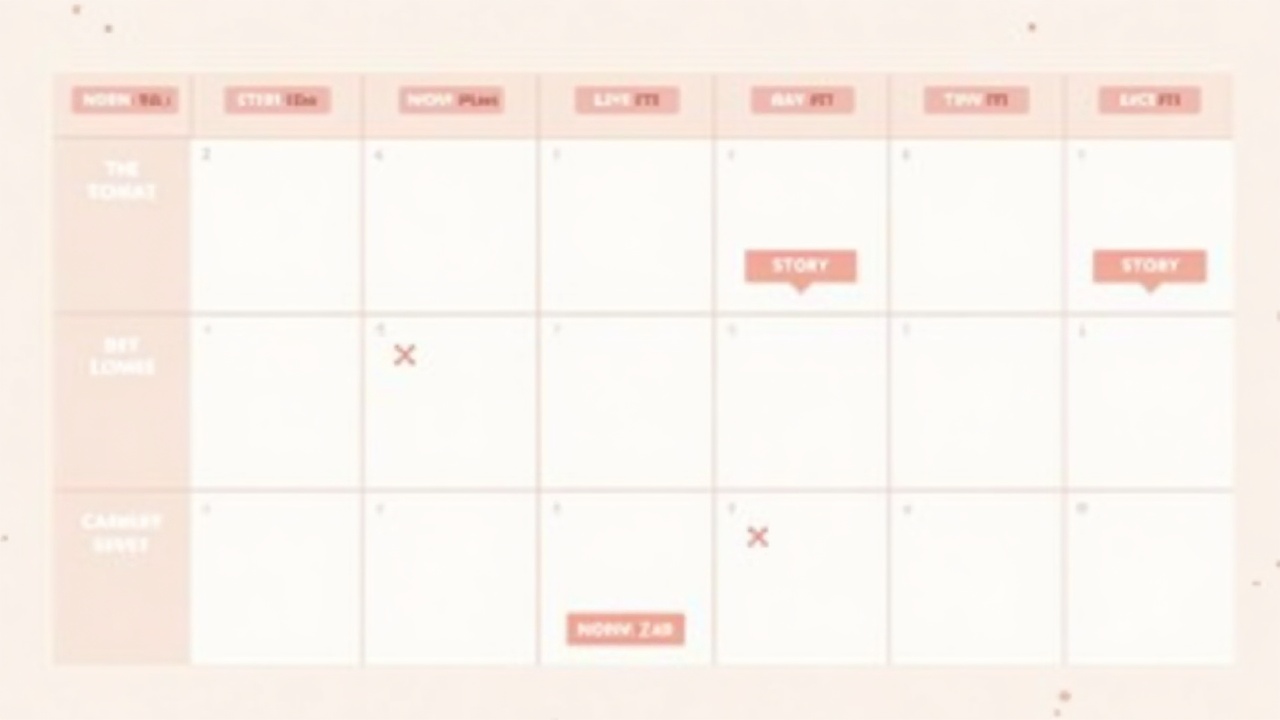
Post Instagram Stories 5-7 times per week for maximum product sales. Daily Stories keep you at the front of the Story bar where followers see you first. Posting less than 4 times weekly drops you out of the visible Story bar rotation, significantly reducing views and sales opportunities.
Here is a weekly structure that works:
- Monday: New week product feature - Highlight one product with a demo Story and product sticker.
- Tuesday: Customer proof - Share a customer photo or review with purchase link.
- Wednesday: Poll engagement - Ask followers to vote on something product-related.
- Thursday: Behind-the-scenes - Show product creation, packing orders, or team moments.
- Friday: Weekend offer - Limited time discount with countdown timer.
- Saturday: Lifestyle content - Show your product in real life scenarios.
- Sunday: Week preview - Tease what is coming next week to build anticipation.
But here is the problem:
This schedule requires you to create and post content every single day. For small brand founders running every other part of their business, daily Story creation is not sustainable long-term.
Want your Stories posted automatically while you focus on running your business?
Ready to follow along? Create your first AI video for free.
SnapReel AI creates and posts branded content to Instagram automatically without daily input from you. Set up your brand once and your social media runs itself.
No credit card required • 2-min setup • 2,000+ small brands already using it
Making Stories Sustainable Without Daily Work
The biggest reason small brands fail at Story selling is not strategy. It is sustainability. Creating Stories every day while running a product business burns founders out within weeks.
How can small brands maintain daily Story posting without spending hours on content?
Small brands maintain consistent Story posting through three approaches. First, batch creating Stories weekly instead of daily. Second, repurposing existing content like customer photos and product images. Third, using automation tools that create and post content without daily involvement. The third option is the only one that truly eliminates the daily time requirement.
Here is the truth:
Most advice tells you to batch content. Create a week of Stories in one sitting. That approach helps. But it still requires you to block 2-3 hours every week for content creation. For founders already working 60-hour weeks, that time does not exist.
Automation is the only approach that actually removes the daily requirement. Tools that generate content from your product information and post automatically solve the time problem completely.
- Batch creation reduces daily work but still requires weekly time blocks that most founders cannot protect.
- Content repurposing extends existing content further but still needs someone to curate and post.
- Full automation handles everything from content creation to posting without daily involvement.
- The right tool matters - most automation tools still require you to create the content before scheduling.
⚠️ WARNING: Do not confuse scheduling tools with automation tools. Scheduling tools like Later and Buffer require you to create all content yourself before scheduling. Automation tools like SnapReel AI create the content for you and post it without daily input. These are fundamentally different solutions to the time problem.
Tired of choosing between growing your social presence and running your business?
Ready to follow along? Create your first AI video for free.
SnapReel AI generates branded Reels and Stories from your product information and posts them automatically. Your brand stays active on Instagram while you focus on everything else.
No credit card required • 2-min setup • 2,000+ small brands already using it
Common Story Selling Mistakes to Avoid
Knowing what works is half the equation. Knowing what fails is the other half. These mistakes kill Story sales for small product brands.
What is the biggest mistake small brands make when selling through Instagram Stories?
The biggest mistake is posting product Stories without clear purchase paths. Many brands show beautiful product content but forget to add product stickers, swipe-up links, or clear calls to action. Viewers enjoy the content, then scroll away without knowing how to buy. Every selling Story needs an obvious next step.
Here are five mistakes to avoid:
Mistake 1: No call to action
Every selling Story needs to tell viewers exactly what to do next. Tap the product sticker. Swipe up. DM to order. Do not assume people will figure it out.
Mistake 2: Over-polished content
Stories that look too professional feel like ads. Ads get skipped. Stories that feel authentic and slightly imperfect get watched. Save the polish for your feed posts.
Mistake 3: Inconsistent posting
Posting five Stories one day then nothing for a week trains followers to ignore you. Consistent daily posting keeps you visible and top-of-mind when followers are ready to buy.
Mistake 4: All selling, no value
If every Story is a product pitch, followers mute you. Mix selling Stories with entertainment, education, and behind-the-scenes content. The ratio should be roughly 60% value, 40% selling.
Mistake 5: Ignoring Story replies
When followers reply to your Stories, they are showing buying intent. Ignoring those replies loses sales. Respond within hours, not days. The conversation often leads to a purchase.
💡 PRO TIP: Track which Story formats get the most replies and DMs. These engagement signals indicate high purchase intent. Double down on formats that generate conversations because conversations convert to sales at higher rates than passive views.
Measuring What Actually Matters
Views are vanity metrics. Sales are real metrics. Learn to track what actually indicates Story selling success.
What metrics should you track to measure Instagram Story sales performance?
Track three metrics for Story sales performance. First, product sticker taps show direct purchase intent. Second, Story replies indicate engaged potential buyers. Third, profile visits from Stories show interest beyond a single product. View counts matter less than these action-based metrics that correlate with actual sales.
Now you might be wondering:
How do you access these metrics? Instagram Insights shows all three in your professional account dashboard. Tap the Story, swipe up, and view the full metrics breakdown. Focus on the action metrics, not the view counts.
- Product sticker taps are your most valuable metric. Each tap represents a potential buyer actively exploring your product.
- Story replies indicate followers engaged enough to start a conversation. These often convert to sales.
- Link clicks show purchase intent when you use swipe-up or link stickers.
- Profile visits mean followers wanted to learn more about your brand after seeing your Story.
Set a baseline for each metric, then track improvements as you test different Story formats. The formats that drive the highest action metrics are your winners.
FAQ
Post 3-5 Instagram Stories per day for optimal product sales. This number keeps you visible at the front of the Story bar without overwhelming followers. Space Stories throughout the day rather than posting all at once to maintain Story bar presence longer.
Yes. A business or creator account is required to access product stickers, swipe-up links, and Story analytics. Converting to a business account is free and takes less than two minutes in your Instagram settings.
Post Stories when your specific audience is most active. Check Instagram Insights for your follower activity times. Generally, 9-11am and 7-9pm local time perform well, but your audience data should guide your posting schedule.
Yes. You can sell through Stories using link stickers to your website, DM-based ordering, or directing followers to your bio link. Instagram Shopping adds convenience but is not required for Story selling.
Batch create Stories weekly, repurpose customer content, use templates, or automate with tools like SnapReel AI that generate and post branded content without daily input. Automation is the only method that fully eliminates the daily time requirement.
Keep selling Stories under 15 seconds. Viewers decide within 2-3 seconds whether to keep watching or skip. Lead with the most compelling product visual, add your call to action early, and end before viewers lose interest.
Start Selling Through Stories Today
Instagram Stories sell products because they create urgency, demand attention, and provide direct purchase paths. The 24-hour window triggers faster decisions. The full-screen format eliminates distractions. The interactive features turn passive viewers into active buyers.
The strategy is straightforward. Post daily. Use the five converting formats. Include clear calls to action with product stickers or links. Track action metrics instead of vanity views.
The challenge is sustainability. Daily content creation while running a product business is not realistic long-term. That is why automation exists.
Ready to sell through Stories without creating content every day?
Ready to follow along? Create your first AI video for free.
✓ Fully autonomous content creation from your product information
✓ Automatic posting to Instagram, TikTok, and YouTube Shorts
✓ Free forever plan with no credit card required to start
Free forever plan • No credit card • 2-min setup