What Are Micro-Dramas — How Small Brands Are Using Short-Form Storytelling to Go Viral on TikTok in 2026
SnapReel
May 22, 2026 · 16 min read
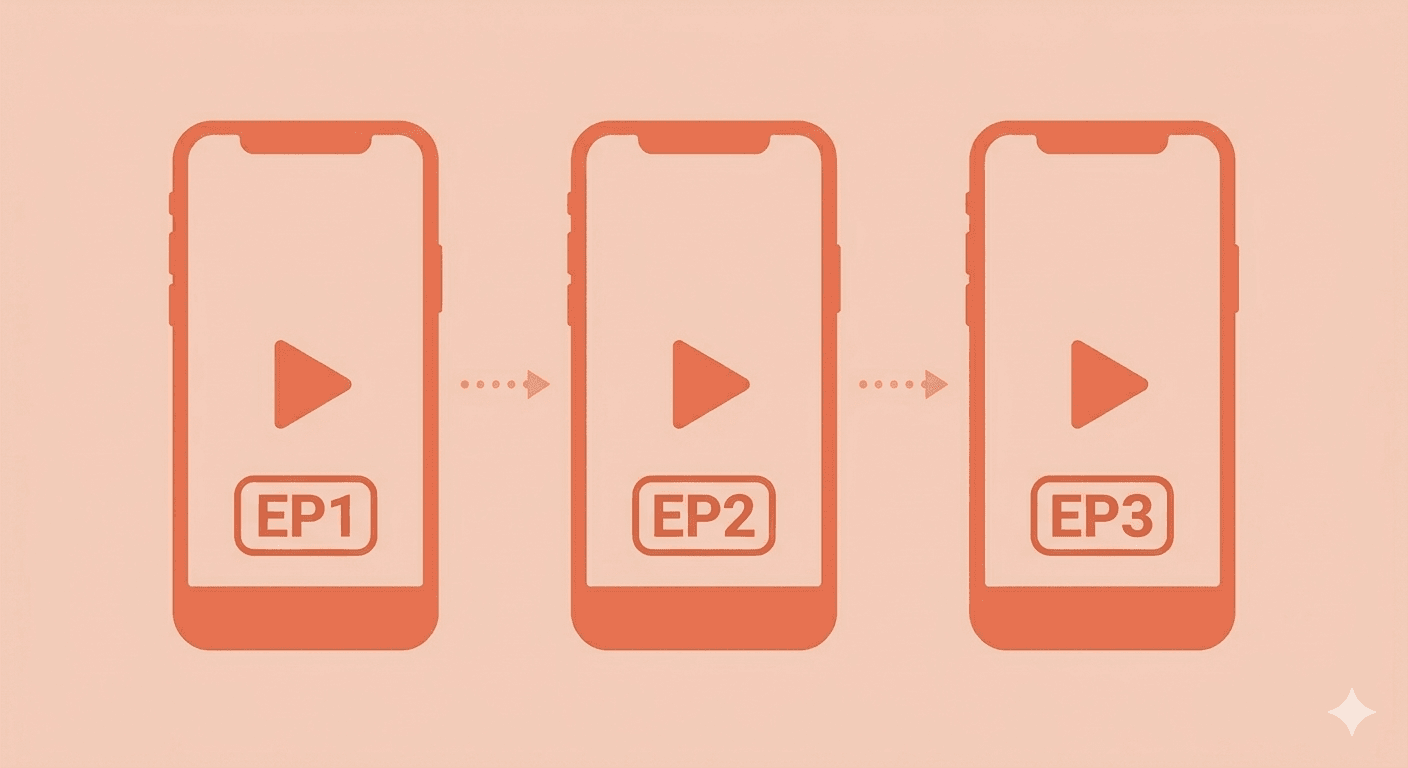
Table of Contents
You have seen them while scrolling TikTok. A 90-second clip ends on a cliffhanger. The next episode auto-plays. Suddenly you are six episodes deep into a story about a founder who almost lost everything. That is a micro-drama. And in 2026, it is the fastest growing content format on the platform.
Deloitte projects $7.8 billion in revenue from micro-dramas this year alone. Global brands are investing in episodic storytelling on TikTok because it holds attention in a way that single posts simply cannot. The good news for small brands is that the format rewards authenticity and simplicity over production budget. This guide shows you exactly how to use it.
🎯 KEY TAKEAWAYS
Micro-dramas are the fastest growing content format on TikTok in 2026 with Deloitte projecting $7.8 billion in revenue, signaling a fundamental shift from one-off posts to episodic storytelling.
Small brands have a natural storytelling advantage because the format rewards authentic, low-budget, founder-led narratives over polished studio productions.
Episodes between 60 and 180 seconds see significantly higher conversion rates than shorter clips because narrative depth builds the brand trust that drives purchase decisions.
The cliffhanger mechanic is the key growth driver because it converts casual viewers into followers who actively return to your profile for the next episode.
What Micro-Dramas Actually Are in 2026
Micro-dramas are short serialized story episodes designed for vertical mobile viewing, released in sequences that keep audiences watching across multiple installments. Each episode runs between 60 seconds and three minutes. Each one ends at a moment of tension or unresolved conflict that compels the viewer to watch the next one.
The format originated in China where it is called duanju. The sector generated more than $9 billion there in 2025, surpassing the country's box office revenue. Apps like ReelShort and DramaBox exported the model to the US where they climbed app charts throughout 2025. TikTok responded by launching a dedicated Minis section in late 2025, allowing users to binge-watch micro-drama series directly inside the app.
What makes micro-dramas different from regular TikTok content or serialized posts?
Regular TikTok content is designed to be complete and satisfying in a single viewing. Serialized posts tell a continuing story but typically do not use dramatic tension or cliffhangers to compel follow-through. Micro-dramas combine both elements with a third ingredient that neither has alone: emotional investment in characters or outcomes. When a viewer cares what happens next, they follow the account, enable notifications, and return unprompted. That behavior is the algorithmic signal that drives the format's outsized reach.
But here is the problem:
Most small brands see micro-dramas trending and assume they require actors, scripts, and professional production. They do not. The micro-drama format performing best for small brands in 2026 is the founder-led narrative series filmed on a smartphone, telling a real business story in episodic format. The drama is real. The stakes are real. And audiences can tell the difference between that and anything scripted.
💡 PRO TIP: Before you plan your first micro-drama series, watch ten episodes of the top performing micro-drama content in your product category on TikTok. Notice the structure: a strong opening hook in the first three seconds, a clear conflict or question introduced before the 20-second mark, and a cliffhanger or unresolved moment in the final five seconds. That three-part structure is the template for every episode you produce.
Why Micro-Dramas Outperform Single Posts for Brand Growth
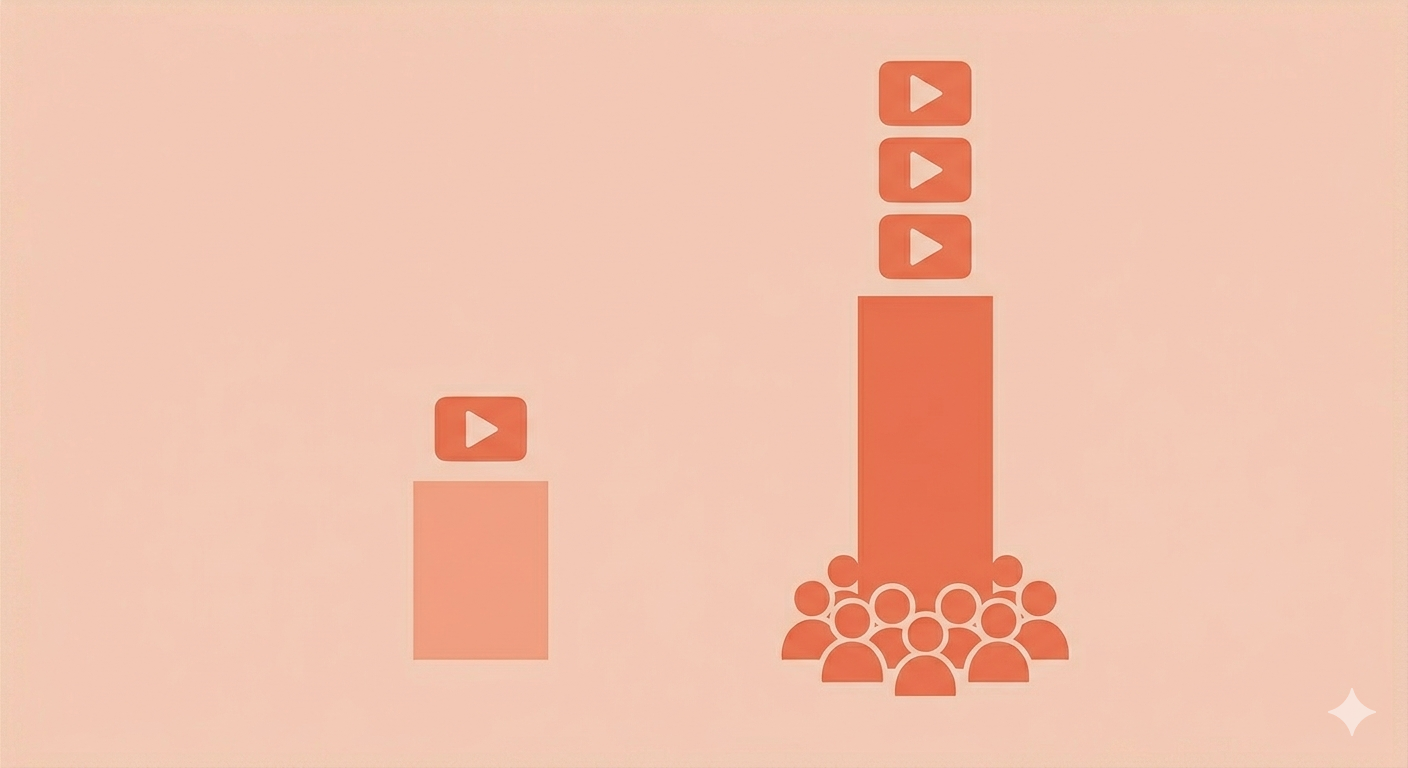
The algorithmic advantage of micro-dramas over single posts is structural. Single posts earn reach based on how the post performs in isolation. Micro-drama series earn compounding reach because every new episode benefits from the audience built by every previous one.
Here is how the compounding works. Episode 1 reaches a cold audience through the algorithm. Some percentage follows your account to get Episode 2. Episode 2 reaches your existing followers plus a new cold audience. The follow conversion from Episode 2 is higher because new viewers can see Episode 1 already exists, which signals the series is worth investing in. By Episode 5, you have an audience that is emotionally invested in the outcome and sharing episodes with friends who they think will enjoy the story.
Why do micro-drama formats drive higher follow rates than standard TikTok content?
Micro-dramas drive higher follow rates because they give viewers a specific, tangible reason to follow your account. With standard content, following is optional. With episodic content, following is the only way to get the next episode. That functional reason to follow converts at significantly higher rates than the generic "if you liked this video" follow prompt that drives most standard content growth.
Here is the kicker:
The brands that have adopted micro-drama storytelling on TikTok consistently report that they rarely return to traditional ad-heavy strategies afterward. Once users emotionally invest in a story, the interruption-based advertising model feels jarring by comparison. In 2026, attention belongs to brands that behave like creators and not advertisers.
📊 STAT: TikTok's paying users for micro-dramas increased by 300% year-on-year in their initial growth period, and daily average plays increased by 100% compared to the prior year. The format is not a niche experiment. It is a mainstream content behavior that is still in its early adoption phase for brand marketers. (Gizmott Research, 2025)
The Four Micro-Drama Formats That Work for Small Brands
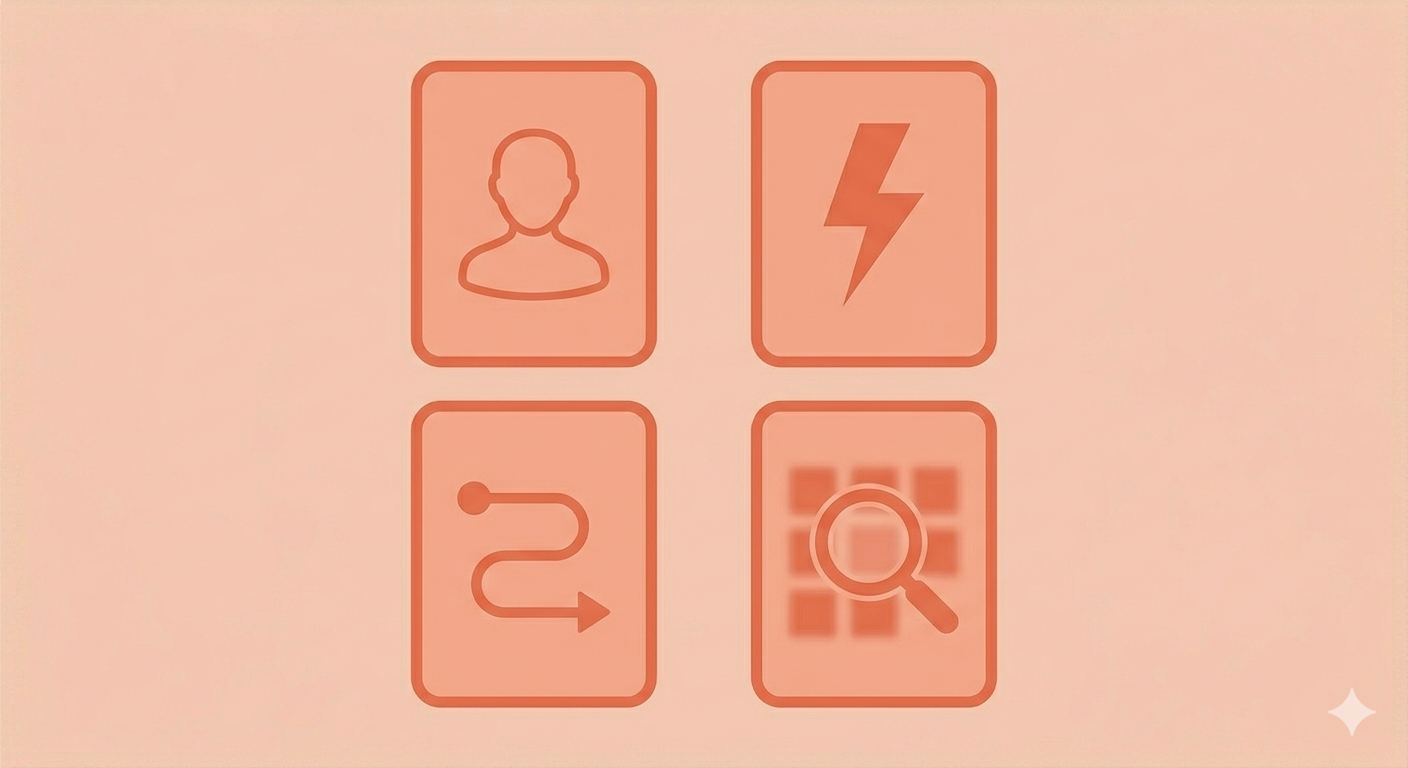
Not every story format translates into a compelling micro-drama series for a product brand. These four are specifically matched to small brand realities where the founder is the main character, the product is the supporting character, and the story is already happening.
What are the best micro-drama formats for small product brands on TikTok?
The four best micro-drama formats for small product brands are the founder origin arc, the brand challenge series, the customer transformation story, and the behind-the-process reveal. Each format works because it generates genuine narrative tension from situations that are already real for the brand, requiring no scripting or acting in the traditional sense.
Format 1 — The Founder Origin Arc
This is the highest-performing micro-drama format for small brands because the founder story is inherently episodic. Every business has a beginning, a crisis, a turning point, and a current chapter. Told in 60 to 90 second episodes, each covering one moment in the journey, a founder origin arc generates the kind of emotional investment in outcomes that keeps viewers following for weeks.
Episode structure: Each episode covers one specific moment. Episode 1 introduces the situation. Episode 2 introduces the first obstacle. Episode 3 shows what almost went wrong. Episode 4 shows the turning point. End every episode on an unresolved question.
Example opener: "Three years ago I was working a corporate job I hated and making candles on my kitchen table at 11pm. I had no idea one of those candles would change everything. Here is how it started. Episode 1."
Why it works: The viewer knows you survived because you are making the video. But they do not know how. That gap between current reality and past crisis is where narrative tension lives.
Format 2 — The Brand Challenge Series
This format documents a real, ongoing challenge your brand is facing in real time. A product launch that is not going to plan. A manufacturer who suddenly cannot fulfill an order. A viral moment you were not prepared for. Real stakes, real outcomes, real tension.
Episode structure: Introduce the problem in Episode 1 with full transparency about what is at stake. Each subsequent episode shows one step of the resolution attempt. Do not resolve the problem too quickly. Let the tension build across at least five to seven episodes.
Example opener: "Our biggest order ever just came in and our supplier just told us they cannot fulfill it. We have four days to figure this out. Day 1."
Why it works: The format functions as real-time documentary content. Viewers follow because they genuinely do not know how it ends. That uncertainty is the most powerful engagement driver in social media content.
Format 3 — The Customer Transformation Story
This format follows one real customer through their experience with your product across multiple episodes, from the before state through the result. It combines UGC authenticity with episodic structure.
Episode structure: Episode 1 introduces the customer and their specific problem. Middle episodes document the experience with the product in real time. Final episode shows the specific result with the customer speaking in their own words.
Example opener: "Maya has been struggling with dry skin for three years. She agreed to document her experience with our new moisturizer for the next 30 days. This is Day 1."
Why it works: The customer is the main character, not the brand. That removes the advertising feel entirely while keeping the product central to the narrative.
Format 4 — The Behind-the-Process Reveal
This format peels back one layer of your product creation, sourcing, or operations process per episode, building a complete picture across a series that teaches the audience something new about your brand in every installment.
Episode structure: Each episode covers one specific process step with a surprising or counterintuitive reveal. End each episode by teasing what the next process step will show.
Example opener: "Most people think the most expensive part of making a premium candle is the wax. It is not. This week I am showing you every single cost that goes into one candle. Episode 1: the wick."
Why it works: Educational content with episodic structure earns both the save behavior of edutainment content and the follow behavior of serialized content simultaneously.
The truth is:
You do not need to choose the best format before you start. Post one episode in each format over four weeks, watch which one generates the strongest follow rate and comment engagement, and commit to the format your specific audience responds to most before building out a full series.
Your brand story deserves more than a single post.
Put these tips into action — start creating with SnapReel for free.
SnapReel AI generates branded episodic content from your product information automatically so your story reaches new audiences consistently every week without manual production effort.
No credit card required • 2-min setup • 2,000+ small brands already using it
How to Plan and Produce Your First Micro-Drama Series
Planning a micro-drama series sounds more complex than it is. The production barrier is genuinely low for founder-led formats. A smartphone, a consistent filming location, and a five-episode story plan is all the infrastructure you need to start.
Step 1 — Choose your format and story arc (20 minutes)
Pick one of the four formats above based on what is most authentic to your current brand situation. Write a five-sentence story arc covering what happens in each of your first five episodes. Do not plan beyond five episodes until you have data on how the first five perform.
Step 2 — Write episode hooks (15 minutes)
Every episode needs an opening hook that does two things in the first three seconds: signals that this is an episode in a continuing series and introduces or continues the central tension. Write the first sentence of each of your five episodes before you film any of them. This ensures narrative continuity across the series before production begins.
Step 3 — Film in consistent conditions (30 minutes per episode)
Micro-drama credibility depends on consistency between episodes. Same filming location, same framing, same lighting setup, same visual style across every episode. This consistency signals to the viewer that episodes belong to the same series and makes your profile feel like a coherent show rather than a collection of disconnected clips.
Step 4 — Build in the cliffhanger (last 10 seconds of every episode)
The cliffhanger does not need to be dramatic. It needs to leave one question unanswered. "What happened next changed everything. Episode 2 drops Thursday." "I had no idea what they were about to tell me. Stay tuned." "The supplier called back. You are not going to believe what they said." Simple unresolved moments convert casual viewers to followers at a significantly higher rate than complete, self-contained episodes.
Step 5 — Caption the series identity
Every episode caption should include the series name, the episode number, and a one-sentence hook referencing the unresolved question from the previous episode. This allows new viewers who find Episode 3 to immediately understand there are earlier episodes worth watching, driving profile visits and binge behavior.
Now you might be wondering:
How often should you drop new episodes? Weekly drops work best for longer founder story arcs where each episode requires setup. Daily drops work best for real-time challenge series where the urgency of the situation makes daily updates feel natural. Whatever cadence you choose, consistency is more important than frequency. A series that drops every Thursday builds more habitual return behavior than a series that drops whenever the next episode is ready.
How to Integrate Your Product Without It Feeling Like an Ad
Product integration in micro-dramas is the part most small brands get wrong. They treat the product as the point of the story rather than as a natural element within it. That approach immediately signals advertising intent and breaks the narrative trust the format depends on.
Integration Rule 1 — Show the product in use, not on display
The product should appear in your micro-drama the way it appears in real life. Someone using it in the middle of a scene, not holding it up to camera and describing its features. A candle burning on a workbench while the founder discusses a supplier problem. A skincare product being applied in a morning routine shot between scenes. Natural use in context builds product desire without triggering ad filters.
Integration Rule 2 — Let the product solve an episode problem
The most effective product integration in micro-drama storytelling is when the product genuinely solves or relates to the episode's central tension. A food brand founder dealing with a difficult launch finds that the product's quality is the one thing customers keep praising. A skincare brand's customer transformation series naturally showcases the product because the transformation is the story.
Integration Rule 3 — Reference but do not sell
In the episode itself, never pitch the product directly. Reference it, show it, let it play a role in the narrative. Save the direct CTA for the caption and a brief end card on the final episode of each story arc. Audiences who have watched five episodes of your series are already highly purchase-ready. A soft caption link is all the sales mechanism you need.
Integration Rule 4 — Use the comment section as a sales channel
Pin a comment on every episode with your product link and a one-sentence context note. "This is the candle we almost could not launch. Link in bio if you want to try it." Pinned comments convert at high rates in micro-drama content because viewers who are emotionally invested in the story extend that investment to the brand's products naturally.
Your brand already has a story worth telling in episodes.
Put these tips into action — start creating with SnapReel for free.
SnapReel AI generates branded content for every platform automatically so your channels stay active and your audience stays engaged between episode drops.
No credit card required • Free forever plan • 2-min setup
FAQ
Micro-dramas are short serialized story episodes between 60 seconds and three minutes each, released in numbered sequences with cliffhangers that compel viewers to watch the next episode. Regular TikTok videos are designed to be complete in a single viewing. Micro-dramas are designed to build emotional investment across multiple episodes, driving follow behavior and return visits that single posts cannot achieve.
No. The micro-drama format that performs best for small brands is founder-led, smartphone-filmed, and authentically unpolished. The format rewards genuine narrative tension over production quality. A consistent filming location, a smartphone, and a five-episode story plan is all the infrastructure required to launch a series that can generate thousands of followers.
Episodes between 60 and 180 seconds perform best for brand micro-drama content in 2026. Under 60 seconds rarely delivers enough narrative development to build the emotional investment that drives follow behavior. Over three minutes risks completion rate drop-off that suppresses algorithmic distribution. Aim for 90 seconds as your default episode length and adjust based on your specific story requirements.
Plan five episodes before launching. This gives you enough runway to establish the series format, build audience habit, and generate follow behavior before requiring you to plan further ahead. Five episodes also gives you enough performance data to evaluate whether the format is resonating before committing to a longer arc.
Yes, but only through natural use integration rather than direct promotion within the episode. Show the product in use during scenes, let it play a role in the episode narrative, and save direct CTAs for the caption and end cards. Audiences who complete multiple episodes of a series are already purchase-ready. Soft integration converts significantly better than direct pitching within the episode itself.
The Bottom Line
Micro-dramas are not a format reserved for entertainment brands or companies with production teams. They are a storytelling structure that any small brand with a real story can use on a smartphone with no budget beyond the time it takes to tell it.
The brands building the largest and most loyal audiences on TikTok in 2026 are not the ones with the most polished content or the biggest ad budgets. They are the ones whose audiences have a reason to come back every week because they genuinely want to know what happens next.
Every small brand has a story with real stakes, real obstacles, and a real outcome that is still unfolding. Micro-drama format just gives that story a structure that TikTok and Instagram reward with reach, follows, and the kind of audience investment that converts to long-term customer loyalty.
SnapReel AI generates branded episodic content automatically from your product information so your channels stay consistently active, your brand story reaches new audiences every day, and your social media presence keeps growing without requiring a founder to personally produce every post.
Ready to turn your brand story into a show your audience cannot stop watching?
Put these tips into action — start creating with SnapReel for free.
✓ Generates branded episodic content automatically from your product information
✓ Consistent posting keeps your audience engaged between episode drops
✓ Auto-posts to Instagram, TikTok, and YouTube Shorts on your schedule
Free forever plan • No credit card • 2-min setup