Best Predis AI Alternative in 2026 — Why Small Brands Are Switching to SnapReel AI
SnapReel
May 16, 2026 · 12 min read

Table of Contents
Predis AI was one of the first tools that made AI-powered social media content feel genuinely accessible to small brands.
You could type a prompt, get a branded post, and publish it without hiring a designer or spending hours in Canva. For a lot of small teams, that was a meaningful step forward. And for a specific type of use case — filling an Instagram or LinkedIn calendar with static carousels and captions — it still does the job reasonably well.
But social media in 2026 is not the same platform it was when Predis AI was built.
Video is now the dominant format on every platform that matters. Short-form video drives more reach, more engagement, and more sales than any other content type by a significant margin. And the brands growing fastest on TikTok, Instagram, and YouTube are not the ones posting the most polished static graphics — they are the ones showing up consistently with video content that feels native, real, and on-brand.
This is where Predis AI starts to show its limits. And it is why a growing number of small brands are actively searching for a Predis AI alternative that was built for the way social media actually works in 2026.
This guide breaks down exactly what Predis AI does well, where it falls short for video-first brands, and why SnapReel AI is the alternative that solves the specific problems Predis cannot.
What Predis AI Actually Does Well — And Where It Was Built to Shine
Before getting into the limitations, it is worth being honest about what Predis AI genuinely delivers. Understanding where it works well is the clearest way to understand where it does not.
Predis AI is very good at generating static content quickly. You provide a prompt, it generates a carousel, a single image post, or a caption — usually in under thirty seconds. For a solo founder or a small marketing team that primarily needs to stay consistent on Instagram and LinkedIn with graphic-heavy content, the speed is real and the output is usable.
Its competitor analysis feature gives brands a way to track what competitors are posting, what content formats they are using, and what their engagement trends look like. For brands that want strategic visibility into their industry without subscribing to a full social listening tool, this is a genuinely useful capability.
The content calendar and scheduling features are intuitive enough for straightforward posting workflows. You can plan a week or month of content visually, connect your social accounts, and publish without switching between multiple tools.
For the specific use case Predis was designed for — templated static social content, basic scheduling, and competitor visibility — it is a competent tool. The problem is that this use case is increasingly narrow in 2026, and the pricing model it is built on creates friction that grows with every piece of content you try to create.
The Three Limitations That Are Pushing Small Brands to Look for Alternatives
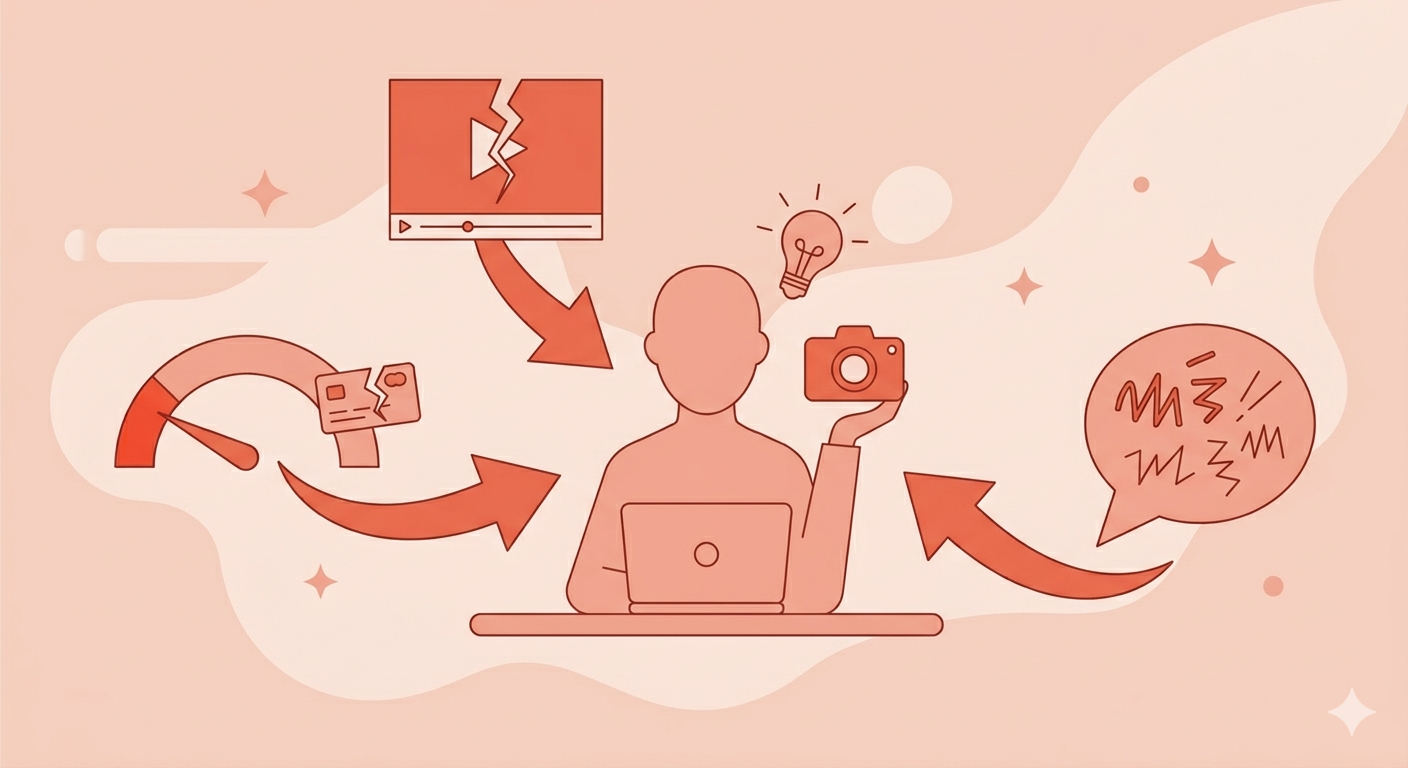
The most consistent feedback from users who have moved away from Predis AI falls into three categories. Each one reflects a structural limitation that is not a bug in the tool — it is a reflection of the platform Predis was built to be.
The Credit System Creates a Ceiling on Everything You Want to Do
Predis AI's pricing is built around credits. Every piece of content you generate consumes credits. Single image posts use ten to twenty credits. Videos use fifty to two hundred credits. On the Core plan at nineteen dollars per month, you get approximately thirteen hundred credits — which translates to roughly sixty-five to one hundred thirty single posts, or a much smaller number of videos.
For a brand that is posting once a day across two platforms and experimenting with different formats to find what works, the credits run out faster than the month does. And when they run out, you either stop creating content, upgrade your plan, or pay an additional twenty-nine dollars for twelve hundred more credits.
This credit model made more sense when content generation was computationally expensive and novel. In 2026, where AI content generation has become a baseline expectation rather than a premium feature, paying per generation feels like being charged per Google search. The ceiling it creates is directly at odds with the consistency that social media growth requires.
Video Capabilities Are the Weakest Part of the Platform
The most fundamental limitation of Predis AI in 2026 is its approach to video.
Predis generates basic video posts — simple animations, text-overlay clips, and templated reels. For a brand that needs polished, platform-native video content that can compete with what real video creators are producing on TikTok and Instagram Reels, Predis does not deliver. Its video output has been consistently described by reviewers as limited, robotic, and incapable of handling UGC-style content, dynamic editing, or complex creative direction.
This is not a minor gap. Video is not an optional add-on feature in 2026 social media marketing. It is the primary format. Instagram's algorithm heavily prioritizes Reels over static posts. TikTok is built entirely around video. YouTube Shorts is driving two hundred billion daily views. A social media tool that cannot produce competitive video content is not fully equipped for how social media actually works right now.
The brands searching for a Predis AI alternative are very often specifically searching for something that can handle their video content needs — not just their static post calendar.
Brand Voice Enforcement Is Inconsistent
Small brands do not just need content that looks branded. They need content that sounds like them — the specific tone, the vocabulary, the personality that their audience has come to expect and associate with the brand.
Predis AI offers broad tone options — professional, friendly, witty — that function more as rough directions than genuine brand voice tools. Users consistently report that the AI output requires significant editing before it sounds like their brand rather than a generic version of their category. For a tool that is supposed to reduce content production time, spending twenty minutes editing every generated caption to make it sound right significantly erodes the time savings the platform promises.
What a Predis AI Alternative Actually Needs to Solve in 2026
When small brands start searching for a Predis AI alternative, they are not just looking for a different logo on the same set of features. They are looking for a tool that solves the specific problems Predis has not.
The first thing a genuine alternative needs is video-first capability. Not video as an afterthought. Not basic template animations. Actual AI-generated video content that can be posted directly to TikTok, Instagram Reels, and YouTube Shorts without requiring a separate video editing workflow.
The second thing is a pricing model that does not penalize consistency. Social media growth is driven by consistent, frequent output. A tool that charges per generation is structurally misaligned with what social media growth actually requires. The right alternative has a model that supports high-volume content creation without the anxiety of watching a credit counter drop.
The third thing is genuine brand voice learning — not just tone settings, but an AI that understands your specific brand's language, your product vocabulary, and your audience's expectations, and applies that understanding consistently across every piece of content it generates.
The fourth thing is platform-native output. Content that is built for how each platform actually works — not just sized correctly, but structured for the algorithm, the viewing behavior, and the engagement patterns of each specific channel.
These four requirements are the lens through which SnapReel AI was built.
Why SnapReel AI Is the Predis Alternative Small Brands Are Switching To
SnapReel AI was designed specifically for the challenge that small brands face in 2026 — producing consistent, high-quality, video-first social media content without a full marketing team, a production budget, or a design agency on retainer.
Video Is the Foundation, Not a Feature
Where Predis AI built a static content tool and added video as an upgrade, SnapReel AI built a video-first platform and extended it to cover the full content ecosystem. This distinction changes everything about the output quality.
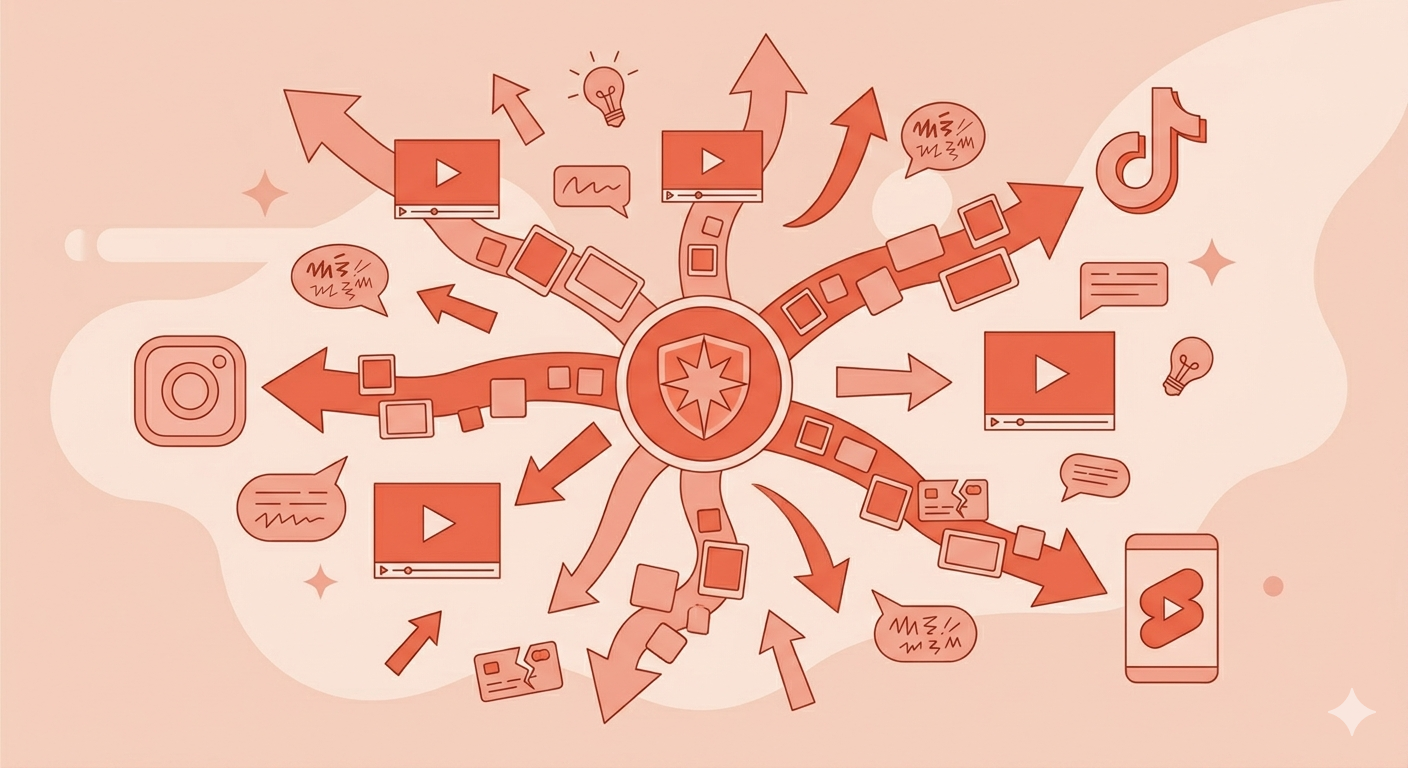
SnapReel AI generates platform-native video content — short-form video built specifically for TikTok, Instagram Reels, and YouTube Shorts, with the format, pacing, and structure that performs on each platform's algorithm. The content is not templated animation. It is AI-generated video that looks and feels like the native short-form content your audience is already watching and engaging with.
For a small brand that has been struggling to produce enough video content to stay visible on video-first platforms, this is not a marginal improvement over Predis AI. It is a categorically different capability.
No Credit Limits — Consistent Output Without Anxiety
SnapReel AI does not use a credit-based model. There is no counter ticking down every time you create a piece of content. There is no calculation about whether to create three versions of a post or just one because you are not sure how many credits you have left.
This matters more than it might initially seem. The brands that grow on social media are the ones that create consistently, test regularly, and iterate based on what performs. A credit model is psychologically and practically incompatible with this approach. It trains you to be conservative with content output at exactly the moment when volume and experimentation are most valuable.
Brand Voice That Actually Sounds Like You
SnapReel AI learns your brand's specific language, not just your general tone. When you set up your brand profile, the AI builds an understanding of your vocabulary, your product language, and the voice your audience has come to expect. The content it generates does not need to be rewritten before it sounds like your brand — it sounds like your brand from the first draft.
This is the difference between a tool that generates content and a tool that generates your content.
See why small brands are switching to SnapReel AI for fully autonomous social media content.
Put these tips into action — start creating with SnapReel for free.
Who Should Switch From Predis AI to SnapReel AI
The decision to switch from one tool to another is not always the right one for every brand. Being honest about who benefits most from making the switch is more useful than telling every Predis user to leave immediately.
SnapReel AI is the right move if your brand is primarily operating on video-first platforms — TikTok, Instagram Reels, YouTube Shorts — and you are finding that Predis AI's video output does not produce content that competes with what you see performing in your niche.
It is the right move if you are hitting credit limits before the end of the month and either stopping your content output or paying for additional credits on a regular basis.
It is the right move if you are spending significant time editing every piece of AI-generated content before it sounds or looks like your brand — because the time you are spending on editing is the time savings Predis was supposed to deliver.
It is the right move if your business is growing and you need your content volume to grow with it, without your tool costs scaling proportionally every time you want to create more.
Predis AI remains a reasonable choice for brands that primarily need static carousel and graphic post content for Instagram and LinkedIn, are posting at low volume and within credit limits comfortably, and are not yet investing in video as a primary content format. If that describes your brand's current situation, Predis will continue to serve you adequately.
But if you are thinking about where social media is going in the next twelve to eighteen months — and where the platforms are pushing every brand — video is not a future consideration. It is the current reality. And the tool you are using needs to be built for it.
Making the Switch — What to Expect When You Move From Predis AI to SnapReel AI
Moving from one social media content tool to another involves a transition period, and understanding what to expect makes the process significantly smoother.
The first thing to know is that your brand setup in SnapReel AI will feel more thorough than what Predis AI asked for. This is intentional. The more context SnapReel has about your brand — your products, your audience, your tone, the platforms you prioritize, and the competitors you watch — the more precisely the AI can generate content that is immediately usable without heavy editing.
The second thing to expect is that your content output will shift toward video more quickly than you might anticipate. SnapReel AI is built to make video content production feel as natural as static post creation. Many brands that switch find themselves creating more video content in their first month with SnapReel than they produced in their entire time with Predis — not because they were trying to, but because the tool makes it genuinely easy.
The third thing to understand is that consistency builds compounding results. The brands that see the clearest growth after switching are the ones that commit to a regular publishing cadence from day one and let the platform's analytics guide their content decisions over time.
The Bottom Line on Predis AI in 2026
Predis AI built something useful at a time when AI-generated static content was genuinely novel and video was still optional for most small brands.
That time has passed.
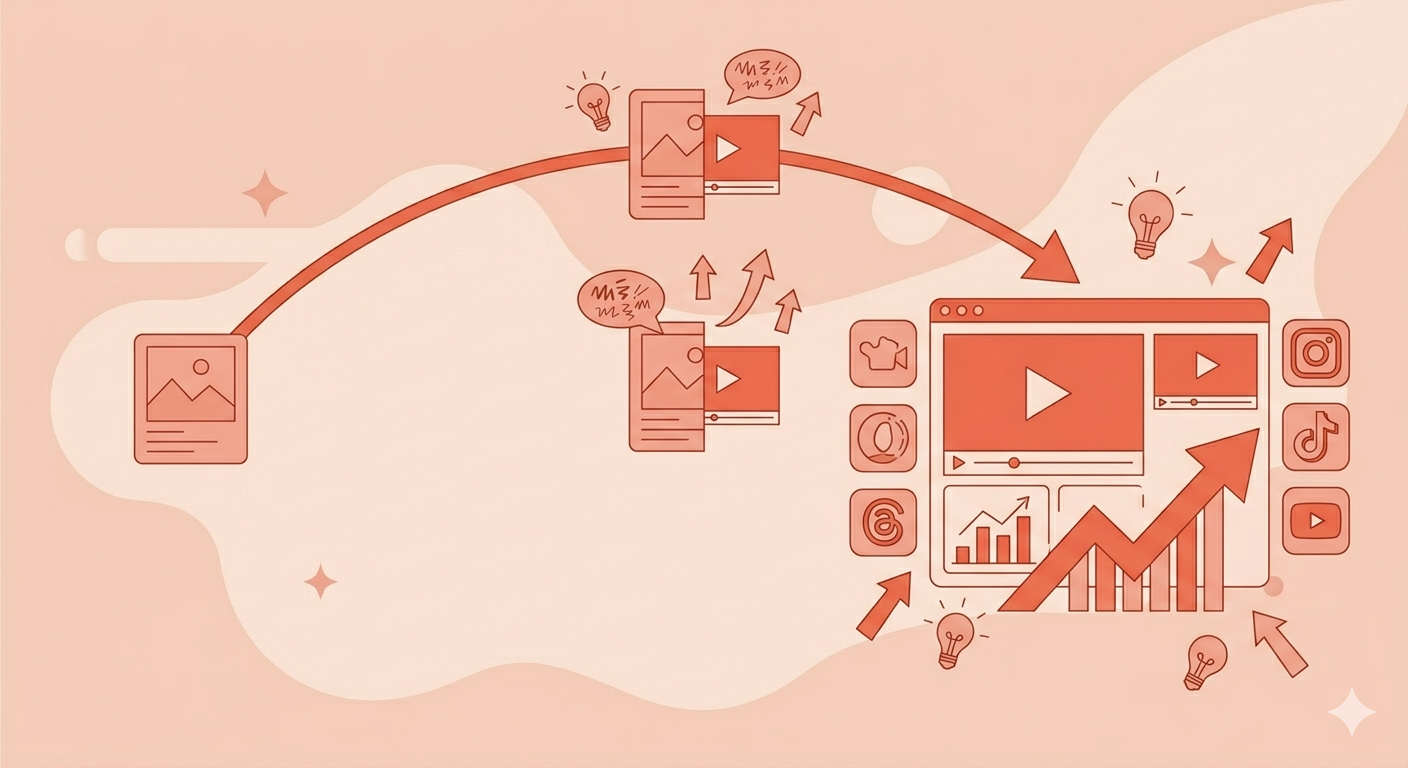
In 2026, the brands winning on social media are video-first brands. They are showing up consistently with short-form video content on TikTok, Instagram Reels, and YouTube Shorts. They are building audiences that follow them because of what they show, not just what they write. And they are using tools that were built for this reality — not tools that are trying to adapt to it after the fact.
SnapReel AI is built for the social media landscape that exists right now. If Predis AI's credit limits, video gaps, or brand voice inconsistencies have been slowing your brand down, the switch is worth making. Your content calendar, your audience growth, and your team's time will all tell you the same thing within the first thirty days.