How to Turn Instagram Followers Into Paying Customers — Small Brand Guide 2026
SnapReel
June 16, 2026 · 13 min read
Table of Contents
- 1.
- 2.
- 3.
- 4.
- 5.
- 6.
- 7.
- 8.
How to Turn Instagram Followers Into Paying Customers — Small Brand Guide 2026
Here is a stat that frustrates small brand founders: the average Instagram business account converts less than 1% of followers into customers. That means 99 out of 100 people following your brand will never buy anything.
The problem is not your follower count. It is not your product. It is that most small brands treat Instagram as a broadcasting platform instead of a conversion engine. They post content, gain followers, and wait for sales that never come.
This guide breaks down exactly how to turn Instagram followers into paying customers in 2026 — with specific tactics tested by small product brands. You will learn what content converts, when to sell, and how to build a system that turns passive scrollers into buyers. Start building your conversion system today.
🎯 KEY TAKEAWAYS
- Followers are not customers — they are potential customers at the top of your funnel. Converting them requires intentional strategy, not more posting.
- Content-to-conversion ratio matters — small brands that convert well post 70% value content and 30% sales content, not the reverse.
- The warmup period is real — new followers typically need 7-14 touchpoints before they consider purchasing. Rushing sales loses them.
- Reels drive discovery, Stories drive sales — each format serves a different function in your conversion funnel.
1. Why Instagram Followers Do Not Automatically Become Customers
2. The Content Funnel: What Actually Converts
3. Five Conversion Tactics That Work for Small Brands in 2026
4. Building an Automated Instagram Sales System
5. Common Mistakes That Kill Follower-to-Customer Conversion
6. FAQ
Why Instagram Followers Do Not Automatically Become Customers
Most small brand founders believe that growing followers will grow sales. This assumption costs them months of effort and thousands of dollars in content creation that generates no revenue.
The truth is: followers and customers are two different audiences with two different behaviors.
Someone follows your brand because they found your content entertaining, helpful, or aspirational. That is a much lower commitment than pulling out a credit card. Following is free. Buying is not.
What is the actual gap between followers and customers?
The gap between followers and customers comes down to three things: trust, timing, and trigger. A follower needs to trust that your product delivers what you promise, encounter your offer at the right moment in their buying journey, and receive a specific trigger that moves them from interest to action. Most Instagram content builds none of these.
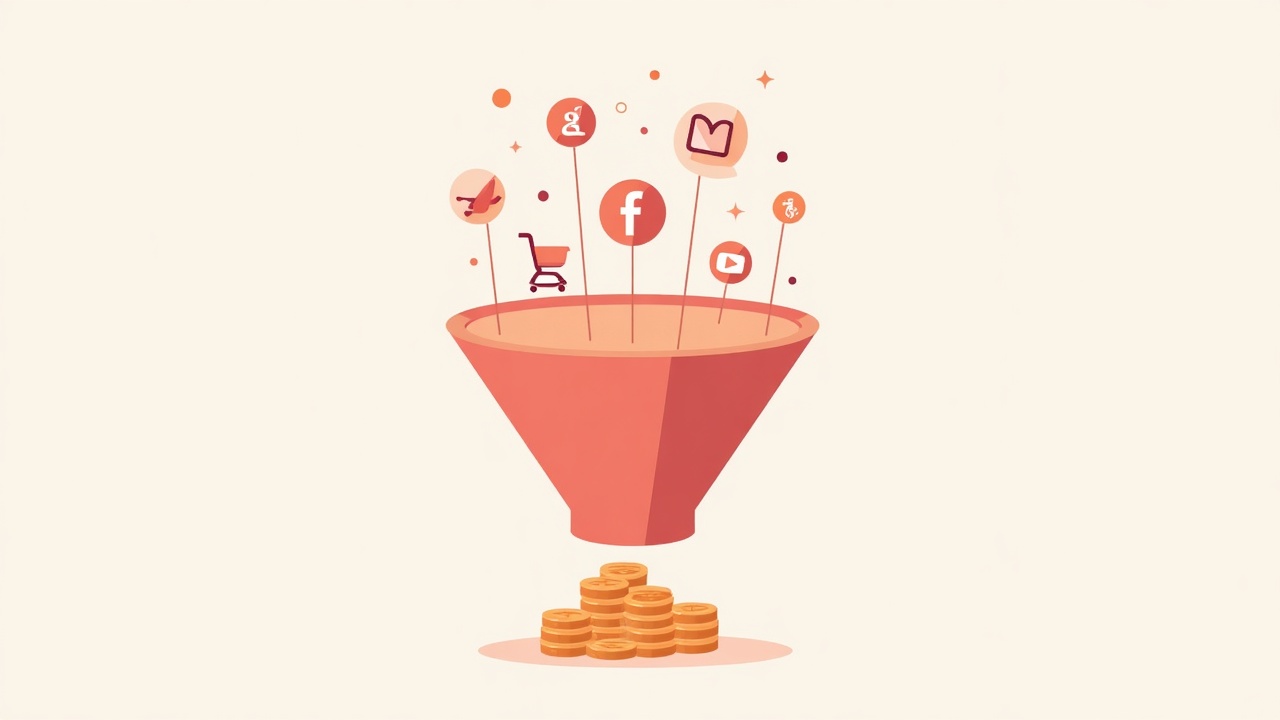
Here is where the problem compounds:
Small brands often respond to low conversion by posting more content. More Reels. More Stories. More carousels. But volume without strategy just attracts more non-buying followers.
- Entertainment content attracts — people who want to be entertained, not people ready to buy
- Educational content attracts — people who want to learn, which may or may not include buyers
- Product content attracts — people closer to purchase, but only if they already have intent
- Conversion content creates — urgency and clear paths to purchase for warm followers
The issue is not that entertainment and educational content are bad. They are necessary for growth. But they serve a different function than conversion content.
What does that mean for your brand?
It means you need a content mix that intentionally moves followers through stages — from awareness to consideration to purchase. Random posting does not create this movement.
💡 PRO TIP: Track your follower-to-customer conversion rate monthly. Divide customers acquired from Instagram by total followers. If you are below 1%, your content strategy needs restructuring. If you are above 2%, you have a conversion system worth scaling.
The Content Funnel: What Actually Converts
Small brands that convert followers into customers consistently use a content funnel — not a content calendar. The difference is intent.
A content calendar tells you when to post. A content funnel tells you what each post is supposed to accomplish in moving someone toward a purchase.
How should small brands structure their Instagram content funnel?
Small product brands should structure their Instagram content funnel with approximately 40% top-of-funnel content for discovery and reach, 30% middle-of-funnel content for trust-building and education, and 30% bottom-of-funnel content for conversion and sales. This ratio keeps your account growing while actively converting existing followers.
Here is the kicker:
Most small brands post 80% top-of-funnel content and wonder why followers do not buy. They have built an audience of browsers, not buyers.
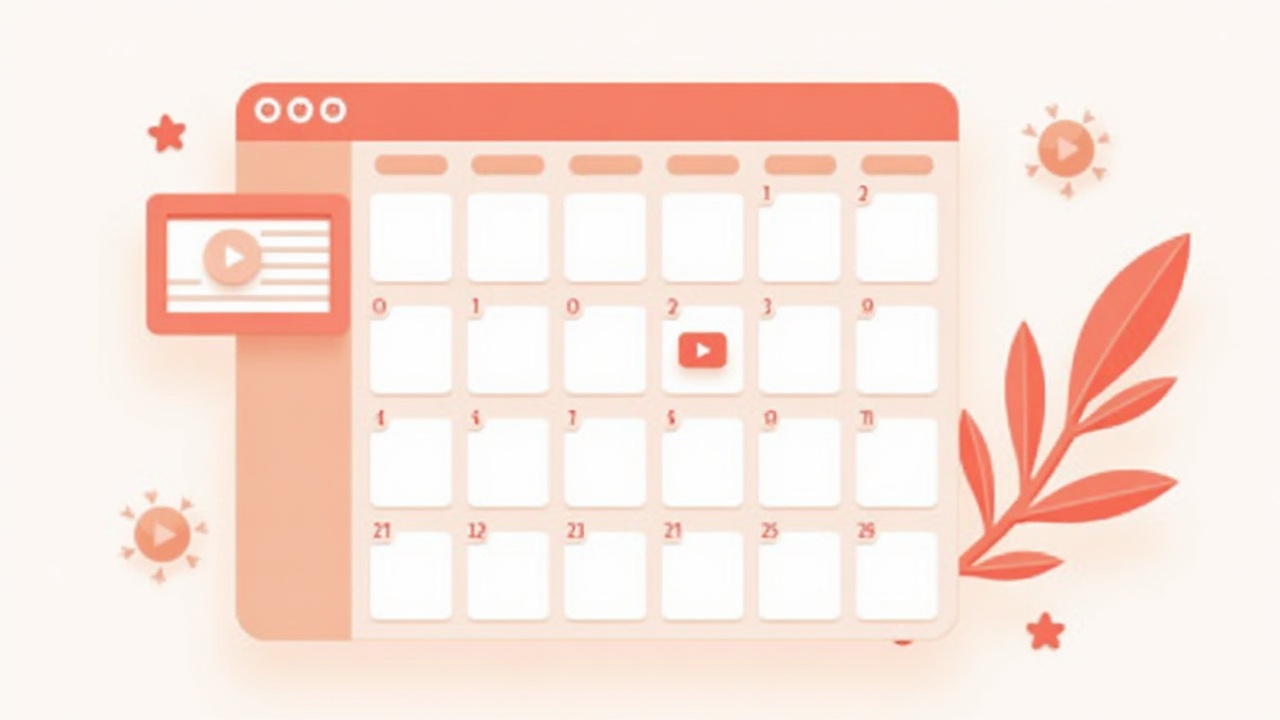
- Top-of-funnel (40%) — Reels optimized for reach and discovery. Trending formats, hooks that stop scrolling, entertainment value. These attract new followers.
- Middle-of-funnel (30%) — Educational carousels, behind-the-scenes Stories, product benefit breakdowns. These build trust with existing followers.
- Bottom-of-funnel (30%) — Direct product features, customer testimonials, limited offers, clear CTAs. These convert warm followers into customers.
📊 STAT: According to Sprout Social's 2025 Consumer Report, 78% of consumers say they need to see a brand's content 5-7 times before considering a purchase. This confirms that top-of-funnel content alone cannot convert — you need sustained middle and bottom-funnel content to close sales.
And it gets better.
When you structure your content as a funnel, each post serves a purpose. You stop asking "what should I post today?" and start asking "what stage of the funnel am I feeding today?"
Five Conversion Tactics That Work for Small Brands in 2026
Theory is useful. Tactics are what generate revenue. Here are five specific Instagram conversion tactics working for small product brands right now.
Tactic 1: The Product-in-Context Reel
Instead of showing your product on a white background, show it being used in real life. Context creates desire because viewers can see themselves using the product.
This format outperforms standard product showcases by 3-4x for small brands because it answers the subconscious question: "What would this look like in my life?"
- Show the unboxing — in a real room, real hands, real reaction
- Show the daily use — morning routine, workspace, kitchen counter
- Show the result — before and after, problem and solution visible
Tactic 2: The Story Poll-to-Offer Sequence
Use Instagram Stories polls to qualify followers before presenting offers. Ask a question related to your product category. Those who respond are warmer leads than general followers.
Follow their response immediately with a Story that presents a relevant offer. This creates a micro-commitment that increases conversion rates significantly.
💡 PRO TIP: The poll question matters. Do not ask "Do you like our products?" Ask "Which problem do you struggle with more — [Problem A] or [Problem B]?" This qualifies intent and gives you segmentation data for future offers.
Tactic 3: The Customer Proof Stack
Collect customer photos, reviews, and testimonials. Then post them in concentrated bursts — three testimonial posts in one week rather than one per month.
This creates social proof density. New followers who see multiple customer success stories in a short window perceive your brand as more established and trustworthy.
- Repost customer photos — with their permission and a short caption highlighting the benefit
- Screenshot DM praise — genuine reactions carry more weight than polished testimonials
- Create testimonial Reels — stitch customer reviews together with product footage
Tactic 4: The Limited Access Drop
Create urgency through genuine scarcity. Announce a product drop or special offer exclusively to Instagram followers, with a real deadline or quantity limit.
The key word is genuine. Fake scarcity destroys trust. Real scarcity — limited inventory, early access, time-sensitive bonuses — converts browsers into buyers.
Ready to turn followers into customers without creating content daily?
Ready to follow along? Create your first AI video for free.
SnapReel AI generates and posts conversion-focused Reels automatically. You set your brand and product info once, then your Instagram runs on autopilot with content designed to convert.
No credit card required • 2-min setup • 2,000+ small brands already using it
Tactic 5: The DM Conversation Starter
Use Stories and Reels to invite followers to DM you. Direct conversations convert at dramatically higher rates than any other Instagram interaction.
The barrier to DMs is lower than clicking a link. And once someone is in your DMs, you can guide them personally toward a purchase.
Now you might be wondering:
How do you handle DM volume without spending all day in your inbox? The answer is templates and automation. Create saved replies for common questions. Use Instagram's quick reply features. And prioritize DMs that signal buying intent.
⚠️ WARNING: Do not automate DMs with generic bot responses. Instagram users can detect automated messages immediately, and they kill trust. Use automation for categorization and quick replies, but keep the actual conversation human.
Building an Automated Instagram Sales System
Converting followers manually works when you have 500 followers. It breaks when you have 5,000 or 50,000. At scale, you need systems.
What does an automated Instagram sales system look like for small brands?
An automated Instagram sales system for small brands includes three components: consistent content posting without daily manual effort, automated DM responses for common queries, and a clear path from Instagram to purchase. The goal is removing yourself from daily operations while maintaining conversion rates.
Here is the kicker:
Most automation tools solve one piece of this puzzle. Scheduling tools handle posting. Chatbots handle DMs. But few tools handle the content creation itself — which is where most small brand founders get stuck.
Let us break this down:
- Content creation — the most time-intensive part. Autonomous tools like SnapReel AI generate branded Reels without daily input.
- Content scheduling — Buffer, Later, and Meta Business Suite can schedule posts. But they require you to create the content first.
- DM automation — ManyChat and native Instagram quick replies can handle FAQs. But complex sales conversations still need human touch.
- Link-in-bio optimization — tools like Stan Store or Linktree create clear paths from your profile to purchase pages.
The truth is:
The content creation bottleneck is where most small brands fail at consistency. They can schedule and automate everything else. But if they cannot create content consistently, the whole system breaks down.
This is why autonomous content tools matter for conversion — not just efficiency. Consistent posting builds the trust and touchpoints required to convert followers. Inconsistent posting breaks the warmup sequence and loses potential customers.
What if your Instagram posted conversion content every day without you?
Ready to follow along? Create your first AI video for free.
SnapReel AI creates and posts branded Reels to Instagram, TikTok, and YouTube Shorts automatically. No daily prompts. No scheduling. Just consistent content that keeps your followers warm and moving toward purchase.
No credit card required • 2-min setup • 2,000+ small brands already using it
Common Mistakes That Kill Follower-to-Customer Conversion
Knowing what works is half the equation. Knowing what to avoid is the other half. These are the most common conversion killers for small product brands on Instagram.
Mistake 1: Selling Too Early
New followers are not ready to buy. They followed because of one piece of content that caught their attention. Hitting them with a sales pitch immediately feels aggressive and misaligned.
Wait for warmup. The 7-14 touchpoint rule exists because trust takes time. Sell to warm followers, not cold ones.
Mistake 2: Selling Too Rarely
The opposite mistake is also common. Some small brands are so afraid of being "salesy" that they never actually present offers. Their followers have no idea what they sell or how to buy.
Balance is key. Thirty percent conversion content means roughly one in three posts should have a clear sales angle.
- Too much selling — followers unfollow or tune out your content entirely
- Too little selling — followers forget you sell anything and never consider purchasing
- Strategic selling — followers see regular offers that feel natural because they trust you
Mistake 3: Unclear Path to Purchase
Your bio link matters more than you think. If someone is ready to buy and cannot figure out how to do it in three seconds, you lose the sale.
Optimize your link-in-bio page. Make the primary product or offer immediately visible. Remove unnecessary options that create friction.
Mistake 4: Ignoring Story Viewers
Story viewers are warmer than feed scrollers. They actively chose to tap into your content. Yet most brands treat Stories as throwaway content instead of conversion opportunities.
📊 STAT: According to Instagram's internal data released in 2025, Story viewers are 2.5x more likely to visit a profile and click the bio link compared to users who only see feed posts. Stories are conversion goldmines that most small brands underuse.
Mistake 5: Inconsistent Posting
Followers forget brands that disappear. If you post heavily for two weeks then go silent for a month, you break the trust-building sequence. When you return, those followers are cold again.
Consistency beats intensity. Posting three times per week for six months outperforms posting daily for one month then stopping.
But here is the problem:
Consistency is hard for small brand founders who are also running operations, customer service, and everything else. This is why automation and autonomous tools exist — to maintain consistency when you cannot be present daily.
FAQ
For most Instagram business accounts the average follower-to-customer conversion rate is under 1%. Well-optimized small brand accounts with intentional conversion strategies can achieve 2-4% conversion rates. The difference comes from strategic content funnels and consistent bottom-of-funnel content.
Research suggests followers need 7-14 touchpoints with your brand before they consider purchasing. This means new followers should see approximately two weeks of value-focused content before you present direct sales offers. Selling earlier typically reduces conversion rates.
Both serve different functions. Reels are best for discovery and attracting new followers at the top of your funnel. Stories are better for conversion because they reach your existing warm audience and support direct interaction through polls stickers and DM prompts.
For conversion optimization small brands should aim for 4-5 feed posts per week with daily Stories. Consistency matters more than volume. A brand that posts 3 times weekly for months will outperform a brand that posts daily for two weeks then disappears.
Yes but the type of automation matters. Scheduling tools require you to create content first. Autonomous tools like SnapReel AI create and post content without daily input. Both maintain consistency which is critical for conversion. The key is ensuring automated content still follows your brand voice and conversion strategy.
The best link-in-bio tool depends on your product type. Stan Store works well for digital products and services. Shopify Linkpop integrates directly with e-commerce stores. Linktree is versatile for brands with multiple destinations. Choose based on your primary conversion goal not features.
Building a Conversion System That Works
Turning Instagram followers into paying customers is not about growth hacks or viral content. It is about building a system where every piece of content serves a purpose in moving followers from awareness to purchase.
The brands that convert well understand that followers are not customers — they are potential customers who need trust, timing, and triggers to buy. They structure their content as a funnel. They balance value and sales. They stay consistent.
The biggest advantage you can give yourself is removing the daily content creation burden. When your Instagram posts itself with strategic, branded content, you can focus on everything else that makes your small brand successful.
Stop chasing followers. Start converting them.
Ready to follow along? Create your first AI video for free.
✓ Autonomous daily posting — your brand shows up consistently without you creating content
✓ Branded Reels designed for product brands — not generic templates that look like everyone else
✓ Posts to Instagram, TikTok, and YouTube Shorts — multiplying your reach across platforms
Free forever plan • No credit card • 2-min setup